



What's Happening?
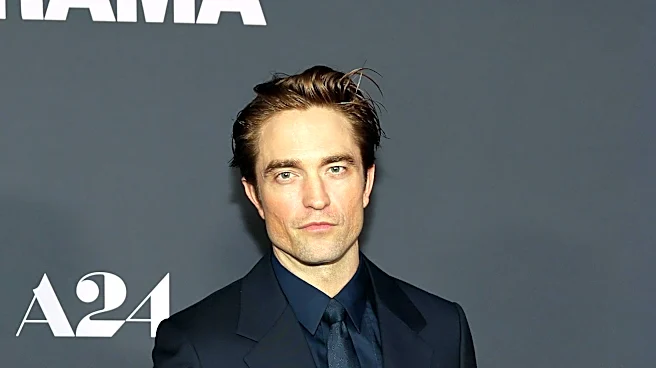
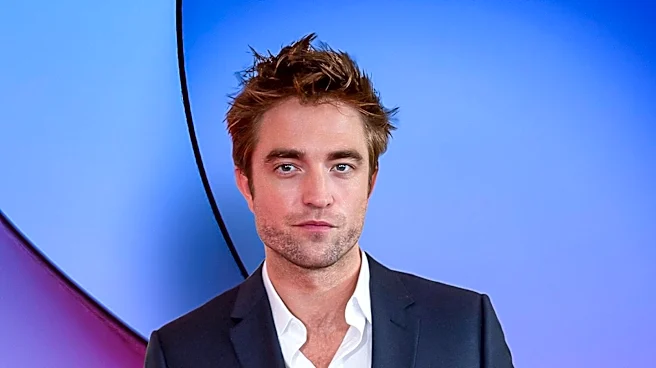
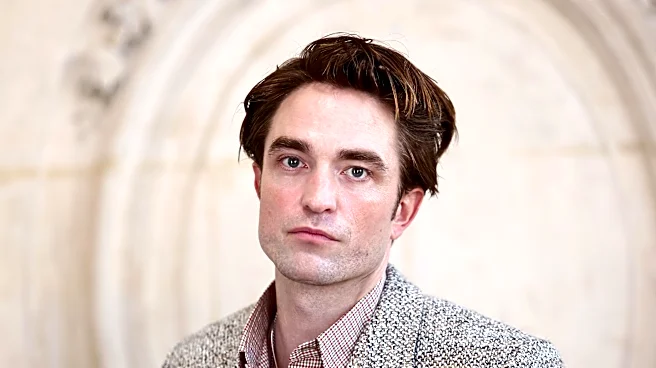
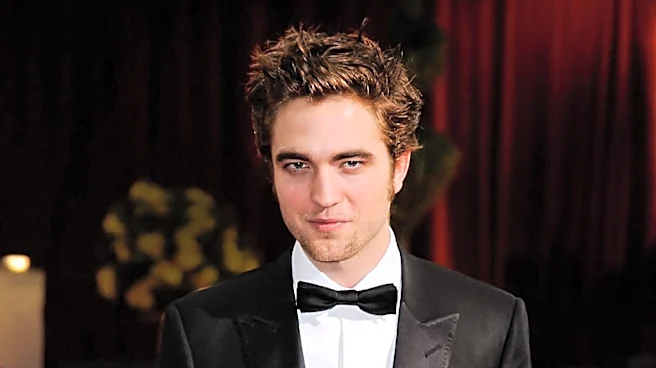
Robert Pattinson has been cast as James Bond, a decision by Amazon that highlights a significant shift in Hollywood's approach to casting major film franchises. Historically, franchises like Star Wars could launch careers by casting relatively unknown
actors. However, recent trends indicate a preference for established, well-known actors to lead big-budget productions. This move follows a pattern seen in upcoming films such as 'Starfighter' featuring Ryan Gosling, 'Rebirth' with Scarlett Johansson, and 'Avengers: Doomsday' reusing Robert Downey Jr. The casting of Pattinson, who is also known for his role as Batman, suggests that studios are increasingly relying on star power to draw audiences, potentially ending the debate about the relevance of movie stars.
Why It's Important?
This casting decision is important because it reflects a broader strategic change within the U.S. film industry. By prioritizing established stars for tentpole franchises, studios aim to mitigate financial risks and guarantee audience engagement in a competitive entertainment landscape. This approach could lead to higher box office returns and streaming viewership, benefiting major studios like Amazon. However, it might also limit opportunities for emerging talent, potentially stifling the development of new movie stars. For actors like Pattinson, it solidifies their status as bankable leads, but it also raises questions about the future of his role as Batman, with his tenure likely concluding after 'The Batman: Part II' in 2028.
What's Next?
With Robert Pattinson taking on the role of James Bond, the immediate consequence is the likely end of his portrayal of Batman after 'The Batman: Part II' in 2028. This will necessitate a search for a new actor to fill the iconic cowl, marking the longest gap between standalone Batman films since 1997. The success of this casting strategy, particularly for Amazon, will be closely watched by other major studios. If the star-driven approach proves highly profitable, it could further entrench this trend across Hollywood, influencing casting decisions for future blockbusters and potentially reshaping the career paths of both established and aspiring actors.
Beyond the Headlines
The shift towards casting established stars in major franchises has deeper implications for the creative landscape of Hollywood. While it offers a degree of commercial certainty, it could inadvertently lead to a more homogenized cinematic experience, with fewer risks taken on original concepts or unknown talent. This trend might also intensify the pressure on actors to maintain a high public profile, blurring the lines between their personal lives and their professional roles. Furthermore, it raises questions about the long-term sustainability of relying on a limited pool of A-list actors, potentially leading to actor fatigue or inflated salaries that strain production budgets. The 'Are movie stars dead?' debate may be settled, but it has been replaced by a new discussion: 'Are movie stars now the only viable option?'