




What's Happening?
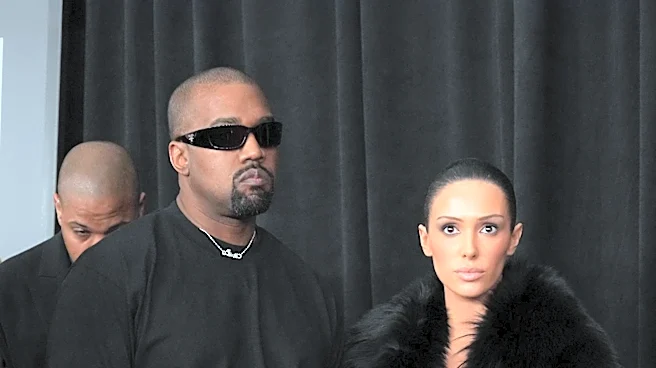
A significant argument involving Kanye West and the Kardashian family was edited out of the final season of 'Keeping Up With the Kardashians,' according to executive producer Farnaz Farjam. The incident occurred in October 2020 during Caitlyn Jenner's
birthday celebration. West reportedly 'ripped into' Kris Jenner and the family, questioning them about not voting for him during his unsuccessful presidential campaign that year. This '30-minute battle' was deemed too intense for broadcast, despite hints of the marital breakdown between Kim Kardashian and West being shown in the season. Kim Kardashian filed for divorce four months after this event, following nearly seven years of marriage. The show later depicted Kim Kardashian crying to her sisters about the impending end of her marriage, expressing feelings of failure.
Why It's Important?
The decision to edit out such a substantial conflict highlights the curated nature of reality television, even in shows known for their candidness. This omission could influence public perception of the events leading to Kim Kardashian's divorce from Kanye West, potentially shaping narratives around their relationship and the family dynamics. For viewers, it means a less complete picture of the personal struggles faced by public figures, raising questions about authenticity in reality programming. For the Kardashian-Jenner family, it reflects a strategic choice to manage their public image and control the narrative surrounding sensitive personal issues, especially those involving political aspirations and marital discord. The incident underscores the tension between personal privacy and the demands of reality television, where even highly publicized lives have boundaries.
What's Next?
The details of this edited conflict are now coming to light through Jonathan Van Meter's forthcoming biography, 'Citizen Kim.' This biography is expected to reveal more personal moments and 'bumpy moments' in Kim Kardashian's life that were not shown on 'Keeping Up With the Kardashians.' The release of this book could lead to renewed public discussion and media scrutiny of the events surrounding Kim Kardashian's divorce and Kanye West's presidential campaign. It may also prompt further commentary from the Kardashian family or Kanye West regarding the accuracy or implications of these newly revealed details. The ongoing public interest in the lives of these figures suggests that such revelations will continue to generate significant attention.
Beyond the Headlines
The editing decision raises broader questions about the ethical responsibilities of reality television producers in presenting the lives of their subjects. While producers often aim to create compelling narratives, the choice to remove a '30-minute battle' involving a public figure's political frustrations and marital strife suggests a deliberate effort to protect certain images or control public perception. This practice can contribute to a sanitized version of reality, potentially influencing how audiences understand the complexities of celebrity relationships and political endeavors. It also highlights the power dynamics within reality television, where producers and subjects negotiate what aspects of their lives are deemed suitable for public consumption, ultimately shaping cultural narratives around fame, family, and personal struggles.