

What's Happening?
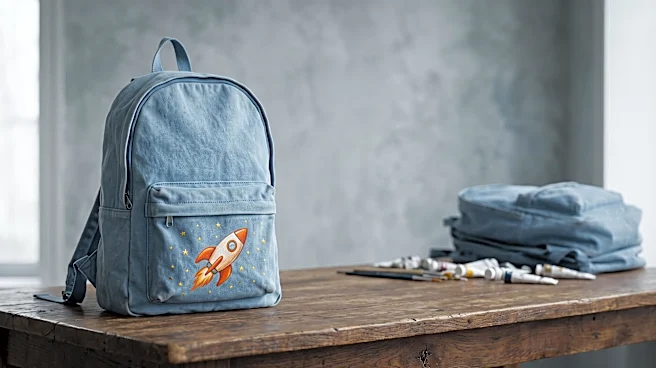
Artist Maysa Yousef in central Gaza is personalizing plain, light-blue backpacks distributed by aid agencies for children returning to school. These backpacks, often associated with displacement and aid, are transformed with custom decorations like rocket
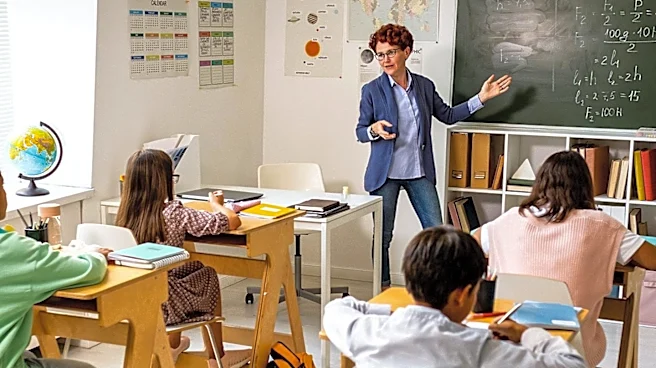
ships, princesses, or horses, chosen by the children themselves. Yousef's initiative aims to bring a sense of normality and individuality to children whose education has been severely disrupted by the ongoing conflict. The military campaign in Gaza, which began in October 2023, has devastated much of the territory's education system, with nearly 98% of school buildings damaged and over 93% requiring major restoration or complete reconstruction. Approximately 541,000 students returned to school last month, but many are learning amidst rubble, repeated displacements, and persistent insecurity. About 700,000 children aged 4 to 17 have missed nearly three consecutive school years of formal in-person education, and about 420,000 have had no in-person learning at all. Yousef uses her dwindling supply of paint to decorate these bags, as families cannot afford character bags and stationery, and available materials in Gaza are of poor quality. Other artists, like Sara Zakout in northern Gaza, are also engaged in similar efforts.
Why It's Important?
This initiative highlights the profound psychological impact of conflict on children and the critical need for interventions that address their emotional well-being alongside basic necessities. The personalization of backpacks, seemingly a small gesture, offers children a sense of identity, agency, and ownership in a context where much has been lost, including homes, schools, and loved ones. Child psychologist Rim Ajjour emphasizes that such efforts are crucial for children's developmental needs, including play, creativity, self-expression, and a sense of belonging. In Gaza, where over 58,000 children have lost one or both parents and at least 17,000 are unaccompanied or separated from their families, providing a personal item can compensate for some of the profound loss. The widespread damage to educational infrastructure and the prolonged disruption to schooling underscore a looming educational crisis that will have long-term consequences for an entire generation, impacting their future opportunities and societal development. The artists' efforts also shed light on the scarcity of resources and the ingenuity required to provide even basic comforts in a conflict zone.
What's Next?
The immediate future will likely see continued efforts by artists and aid workers to provide psychological and emotional support to children in Gaza, alongside the ongoing provision of basic humanitarian aid. As children continue to return to school amidst challenging conditions, the demand for such personalized items may grow. The long-term focus will need to be on the massive undertaking of rebuilding Gaza's educational infrastructure and establishing stable learning environments. This will require significant international funding and coordinated efforts. Addressing the psychological trauma experienced by children will also be a critical, ongoing need, necessitating specialized support services. The scarcity of art supplies and other resources will remain a challenge for initiatives like Yousef's, potentially leading to calls for more targeted donations of such materials. The broader international community will need to continue advocating for a lasting peace to allow for comprehensive recovery and reconstruction efforts.
Beyond the Headlines
Beyond the immediate impact of the conflict, this story reveals the resilience of individuals and communities in finding creative ways to mitigate the psychological damage of war on children. The act of personalizing a backpack transcends its material value, becoming a symbol of hope, individuality, and a connection to a childhood that has been severely disrupted. It underscores the often-overlooked aspect of mental health and emotional well-being in humanitarian crises, demonstrating that 'normalcy' and self-expression are as vital as food and shelter for healthy development. The initiative also highlights the role of art as a therapeutic tool and a means of resistance against dehumanization in conflict zones. The stark contrast between the children's desire for personalized items and the widespread destruction of their environment serves as a powerful reminder of the human cost of conflict and the enduring spirit of childhood even in the direst circumstances. This small act of kindness reflects a broader struggle to preserve humanity and hope amidst devastation.