




What's Happening?
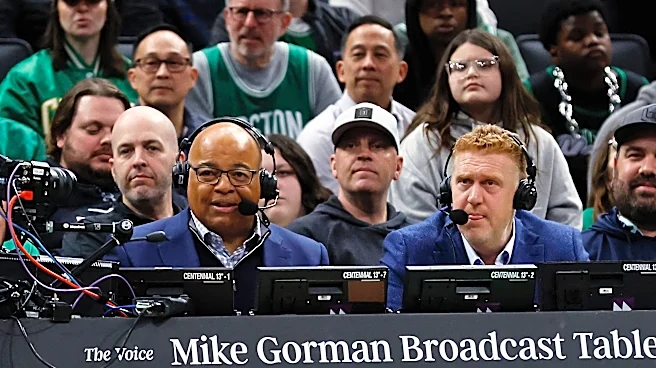
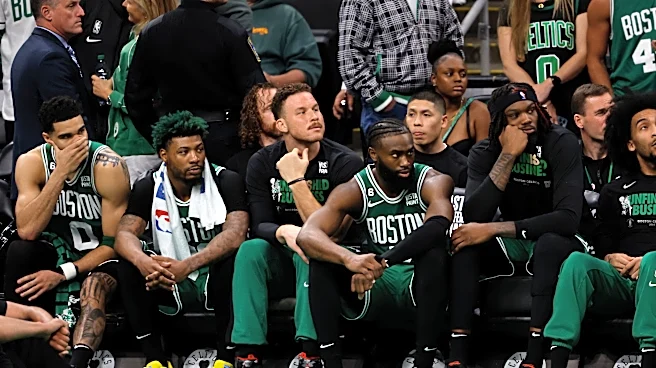
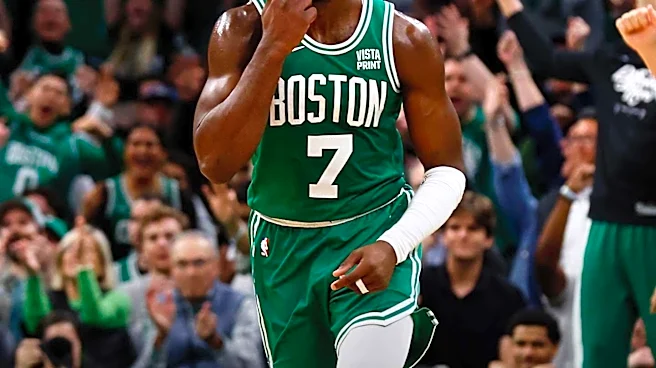
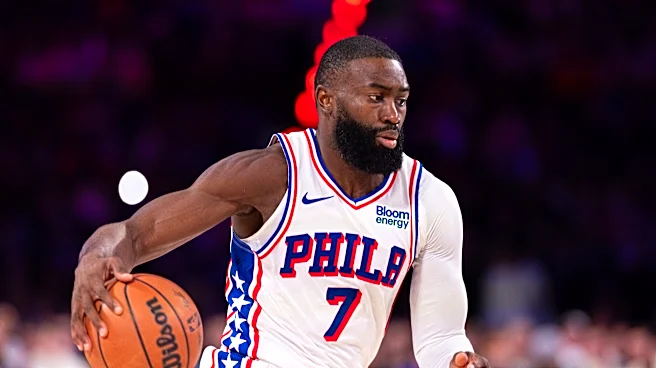
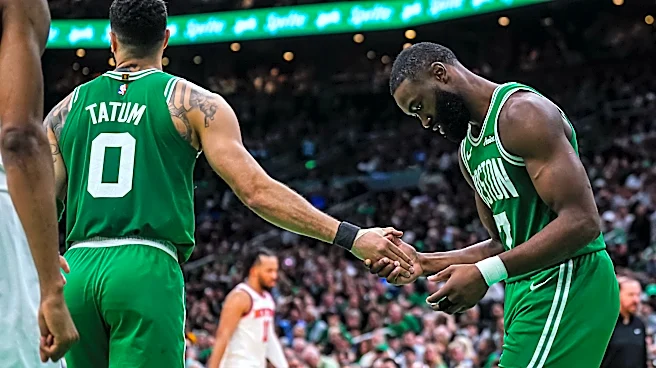
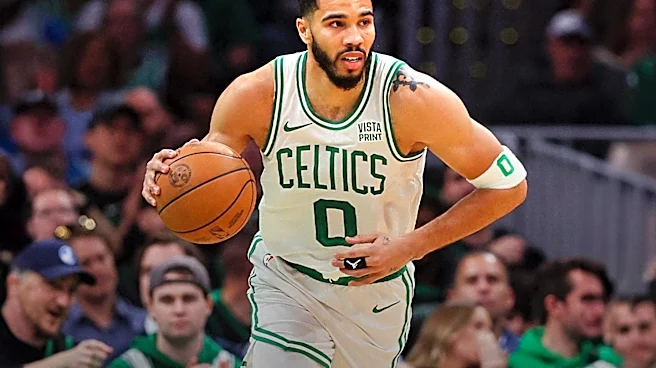
Former Boston Celtics player and current broadcaster Brian Scalabrine has publicly criticized Jaylen Brown for allegedly perpetuating 'trade lies' concerning Jayson Tatum and for making what Scalabrine describes as 'bizarre, self-contradicting' media
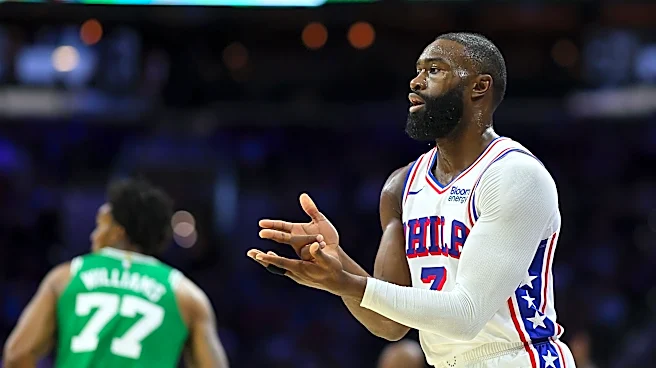
statements. Scalabrine claims that Brown 'lives in his own reality' and is making up narratives about Tatum's involvement in past trade discussions. He specifically alleged that Brown had previously gone to the Celtics organization with a list of demands, threatening a trade if they were not met, and even contacted other teammates to gauge their interest in playing for the Milwaukee Bucks. This comes after Brown responded to a statement from Tatum on Instagram with a 'cap' emoji, later clarifying that there was no 'beef' but rather 'lambchops and gravy' between them.
Why It's Important?
This public dispute between a former player/broadcaster and a current star player highlights potential internal tensions or communication issues within the Boston Celtics organization, even if the events Scalabrine describes are from the past. Such comments can impact team chemistry, fan perception, and the overall narrative surrounding key players like Jaylen Brown and Jayson Tatum. For the Celtics, maintaining a cohesive team environment is crucial for on-court success, and public disagreements, even indirect ones, can be a distraction. For fans, these revelations offer a glimpse into the behind-the-scenes dynamics of professional sports, potentially influencing their support and views on player loyalty and team management. The ongoing media scrutiny of player relationships and trade rumors is a significant aspect of modern sports culture, affecting player reputations and team stability.
What's Next?
The Celtics are scheduled to play the Chicago Bulls next. It remains to be seen if Jaylen Brown or Jayson Tatum will address Scalabrine's comments directly, or if the team organization will issue any statements to quell the public discussion. Such controversies often lead to increased media attention on the players involved, with reporters likely to press for further clarification or responses. The situation could either escalate with more public exchanges or be downplayed by the players and the team to focus on the ongoing season. The impact on team dynamics, if any, will likely be observed in their on-court performance and interactions in upcoming games. The incident also underscores the constant pressure on professional athletes to manage their public image and social media presence.
Beyond the Headlines
This incident delves into the broader themes of player agency, media narratives, and the role of former players in sports commentary. Scalabrine's 'knives out' approach reflects a trend where former athletes, now in media roles, often offer candid and sometimes critical insights into current team affairs, leveraging their past experience and connections. This can create a complex dynamic where current players feel scrutinized by those who once walked in their shoes. Furthermore, the use of social media by athletes, such as Brown's 'cap' emoji, demonstrates how digital platforms have become integral to player communication and public perception, often leading to misinterpretations or amplified disputes. The saga also touches on the constant speculation and rumor mill surrounding player trades in professional sports, and how such narratives can persist and evolve over time, impacting player relationships and team cohesion.