






What's Happening?
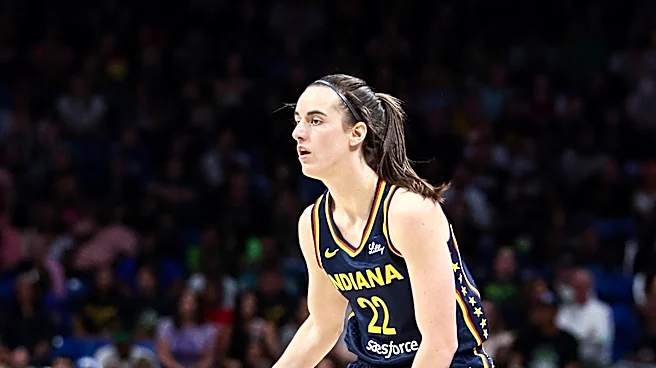
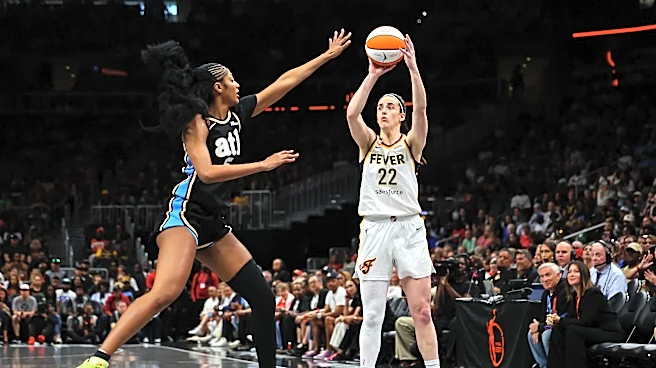
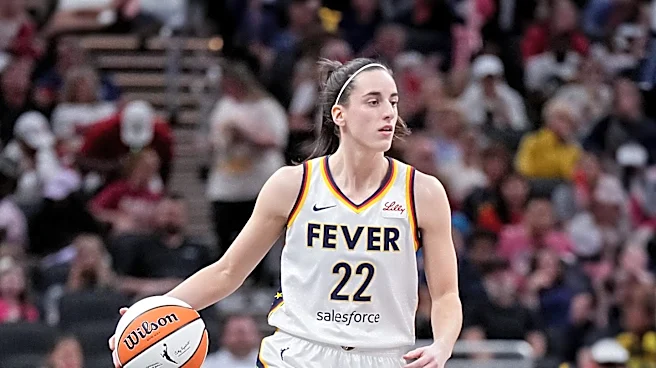
Caitlin Clark continues to be a significant draw for the WNBA, as a recent game between the Indiana Fever and the Atlanta Dream averaged 2.6 million viewers on ESPN, setting a new record for the most-watched WNBA game in cable television history. The
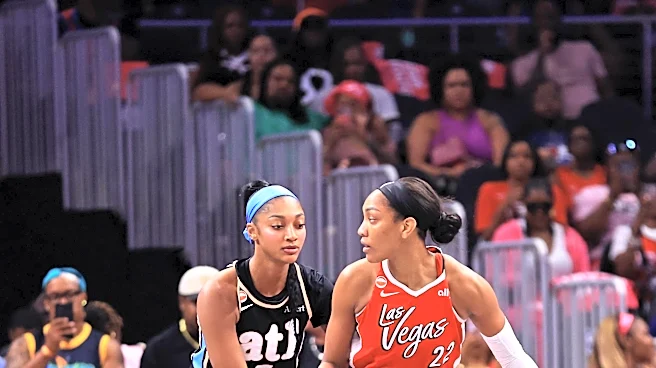
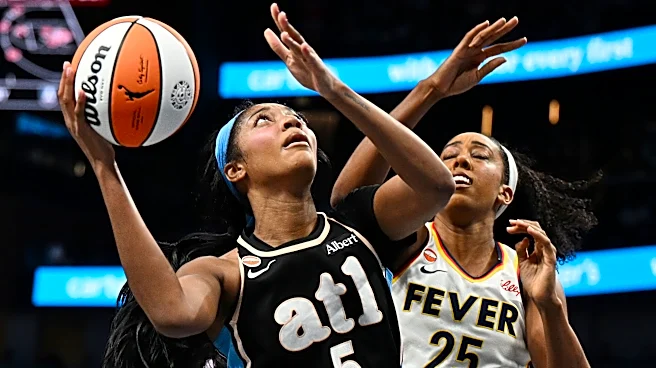
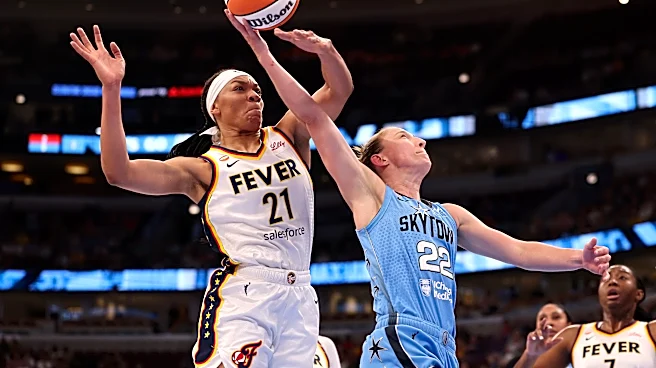
audience peaked at 4 million viewers during overtime. This viewership represents a 178% increase compared to ESPN's WNBA regular-season average from the previous year. The game featured the ongoing rivalry between Clark and Angel Reese, which originated during the 2023 NCAA women’s national championship game. Clark led the Fever to a 95-91 overtime victory with 26 points and nine assists, while Reese contributed 15 points, 14 rebounds, and six assists for the Dream.
Why It's Important?
The record-breaking viewership driven by Caitlin Clark signifies a pivotal moment for the WNBA and women's sports in general. This surge in ratings demonstrates a growing mainstream interest in women's basketball, translating into increased visibility and potential for greater investment in the league. The 'Caitlin Clark effect' is proving to be a powerful economic driver, attracting new fans and advertisers, which could lead to higher broadcast rights fees and improved player salaries. This increased exposure also provides a platform for other WNBA players to gain recognition, fostering overall league growth and potentially inspiring a new generation of female athletes. The rivalry with Angel Reese further amplifies this impact, creating compelling narratives that resonate with a broader audience.
What's Next?
The WNBA is likely to continue leveraging the popularity of Caitlin Clark and her rivalries to further boost viewership and engagement. Broadcasters will probably prioritize scheduling games featuring Clark and other high-profile players in prime-time slots to maximize audience reach. The league may also explore new marketing strategies to capitalize on this momentum, potentially leading to increased sponsorship deals and merchandise sales. The sustained interest could also influence future collective bargaining agreements, potentially leading to better compensation and benefits for players. The challenge will be to maintain this heightened interest beyond the initial 'Clark effect' and convert new viewers into long-term fans of the league.
Beyond the Headlines
Beyond the immediate ratings, Caitlin Clark's impact highlights a cultural shift in how women's sports are perceived and consumed. Her ability to consistently draw massive audiences challenges long-held assumptions about the marketability of female athletes. This phenomenon could lead to a re-evaluation of media coverage and investment in women's sports across various disciplines, potentially closing the historical gap in exposure and resources compared to men's sports. It also underscores the power of individual athletes to transcend their sport and become cultural icons, driving significant economic and social change. The sustained success of the WNBA, fueled by figures like Clark, could pave the way for greater equity and recognition for female athletes globally.