






What's Happening?
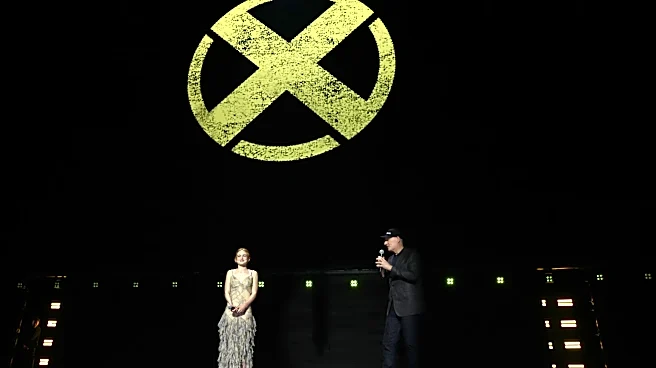
The X-Men are poised for a significant resurgence within the Marvel Cinematic Universe (MCU), with their team debut expected in 'Avengers: Doomsday' and potentially 'Avengers: Secret Wars,' followed by a new cast of mutants in 2028. This renewed prominence
is attributed to the team's long-standing success, which, according to analysis, stems from adopting a 'superhero soap opera' approach, similar to DC's Legion of Superheroes. This narrative style prioritizes the personal lives, relationships, and internal dynamics of a large ensemble cast. While the X-Men initially struggled in the Silver Age, their popularity soared in the mid-1970s with the introduction of a new team and writer Chris Claremont, who focused on character development and intricate interpersonal relationships. This approach allowed the X-Men to become the most popular superhero team of the 1980s and 1990s, with titles like 'Uncanny X-Men' and 'X-Men' consistently topping sales charts.
Why It's Important?
The X-Men's historical success, rooted in their 'superhero soap opera' narrative, offers valuable insights into effective storytelling within the superhero genre. By emphasizing character-driven plots and complex relationships, the X-Men cultivated a deeply engaged fanbase, demonstrating that emotional depth and personal stakes can be as compelling as action sequences. This approach allowed the franchise to explore themes of prejudice, identity, and social justice through the lens of its diverse mutant characters, resonating with a broad audience. As the X-Men prepare for their full MCU integration, understanding the elements that contributed to their past popularity is crucial for Marvel Studios. Replicating this character-centric formula could help the MCU regain momentum and connect with audiences on a deeper level, especially after recent criticisms regarding its narrative direction. The success of this strategy could influence future superhero adaptations across the industry.
What's Next?
With the X-Men's full MCU debut anticipated in 'Avengers: Doomsday' and 'Secret Wars,' followed by a new cast in 2028, Marvel Studios is likely to leverage the 'superhero soap opera' formula that historically made the team successful. This means focusing on the intricate relationships and personal struggles of the mutant characters, rather than solely on large-scale conflicts. The integration of the X-Men into the MCU presents an opportunity to explore new social and political themes within the franchise, given the X-Men's historical allegories for civil rights. The success of this integration will be closely watched by fans and industry observers, as it could dictate the future narrative direction of the MCU and potentially influence how other major comic book properties are adapted for the screen.
Beyond the Headlines
The comparison between the X-Men and the Legion of Superheroes highlights a fundamental aspect of enduring fictional narratives: the power of character and relationship development. While superhero stories often focus on extraordinary powers and world-saving feats, the 'superhero soap opera' model demonstrates that audiences are deeply invested in the human (or mutant/alien) element. This approach allows for exploration of complex themes, moral dilemmas, and personal growth, making characters relatable despite their fantastical abilities. The X-Men's success in this regard suggests that the most impactful stories are those that delve into the internal lives of their protagonists, fostering a sense of intimacy and connection with the audience. This principle extends beyond comics and film, underscoring the universal appeal of narratives that prioritize emotional depth and character arcs over spectacle alone.