


What's Happening?
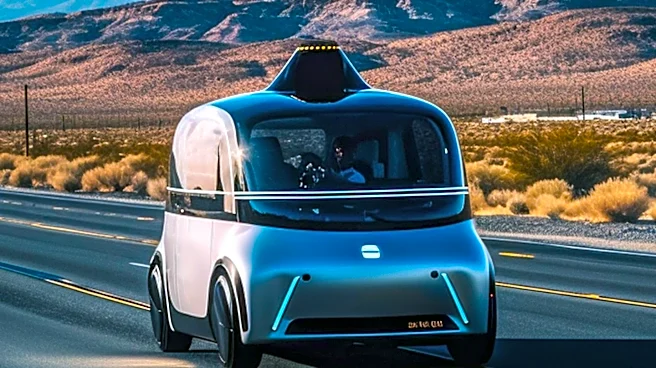
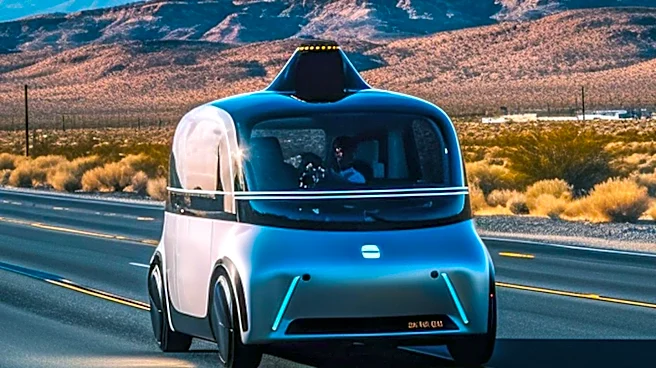
Uber Technologies Inc. has launched Amazon.com Inc.'s Zoox robotaxis on its platform in Las Vegas. This integration allows Uber riders requesting services like UberX, Uber Comfort, Uber Electric, Uber Comfort Electric, or Wait & Save to be matched with
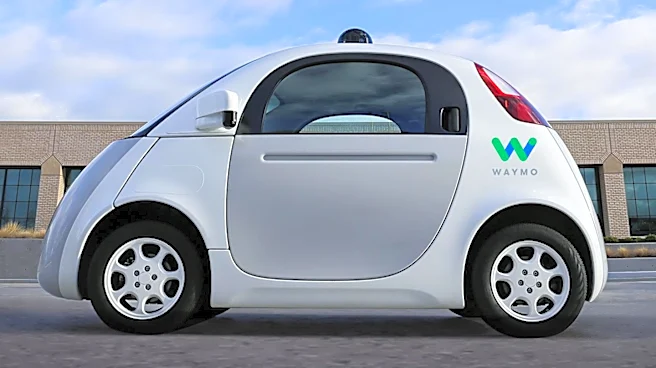
a Zoox autonomous vehicle at no extra cost. While riders cannot directly select a Zoox vehicle, they can increase their chances by adjusting 'ride preferences' in the Uber app. This move marks Zoox's first partnership with a third-party ride-hailing platform and is part of Uber's strategy to expand its autonomous vehicle offerings. Uber CEO Dara Khosrowshahi stated that a dedicated autonomous option will be introduced in the app as availability and reliability improve. The companies have also secured a multi-year deal with MGM Resorts International to enhance pickup and drop-off experiences at MGM properties in Las Vegas. This development escalates competition in the autonomous ride-hailing market, particularly with Waymo, which recently began operations in Las Vegas.
Why It's Important?
This integration is a significant step in the U.S. autonomous vehicle market, particularly for ride-hailing services. For Uber, it reinforces its commitment to leveraging third-party autonomous technology rather than developing its own, potentially saving substantial research and development costs while expanding service capabilities. For Zoox, gaining access to Uber's vast customer base provides a crucial pathway for commercial scaling and increased adoption, helping it compete with established players like Waymo. The partnership with MGM Resorts International is also strategic, aiming to streamline the user experience in a high-traffic tourist destination like Las Vegas, which could set a precedent for future collaborations in other cities. This move could accelerate the public's acceptance and reliance on robotaxis, pushing the industry closer to widespread driverless transportation. The increased competition is likely to drive innovation and potentially lower costs for consumers in the long run, while also posing challenges for traditional ride-hailing drivers.
What's Next?
Uber plans to introduce a dedicated autonomous option within its app as the number of available robotaxis and their reliability improve. Following the Las Vegas launch, Uber and Zoox intend to expand their partnership to Los Angeles in 2027, with Zoox initiating its own app-based operations in Los Angeles before the end of the current year. The Nevada Transportation Authority has already approved permits for Uber to deploy up to 1,000 robotaxis in Clark County through its partnerships with Motional and Zoox. Uber CEO Dara Khosrowshahi anticipates that Motional's vehicles, currently operating with safety drivers, will become fully driverless soon after the Zoox launch. The ongoing expansion and increasing availability of robotaxis are expected to intensify the competitive landscape, potentially leading to more rapid advancements and broader deployment of autonomous ride-hailing services across major U.S. cities.
Beyond the Headlines
The integration of Zoox robotaxis into Uber's platform highlights a broader shift in the transportation industry towards autonomous solutions, raising complex ethical, legal, and economic questions. Ethically, the increasing reliance on AI-driven vehicles necessitates robust frameworks for accountability in the event of accidents, as the traditional human driver is removed from the equation. Legally, regulatory bodies will face ongoing challenges in adapting existing transportation laws to accommodate autonomous vehicles, particularly concerning operational standards, liability, and data privacy. Economically, the widespread adoption of robotaxis could lead to significant job displacement for human drivers, prompting discussions about retraining programs and new economic models. Furthermore, the partnership between a ride-hailing giant like Uber and an autonomous vehicle developer like Zoox underscores the trend of strategic alliances in the tech sector, where companies combine their strengths to accelerate market penetration and technological advancement, potentially reshaping urban mobility and infrastructure in the long term.