



What's Happening?
The 2026 FIFA World Cup knockout stage has commenced with thrilling matches and unexpected outcomes. Norway's national team, led by star striker Erling Haaland, secured a dramatic victory over Côte d'Ivoire with a late goal, marking Norway's first knockout stage appearance
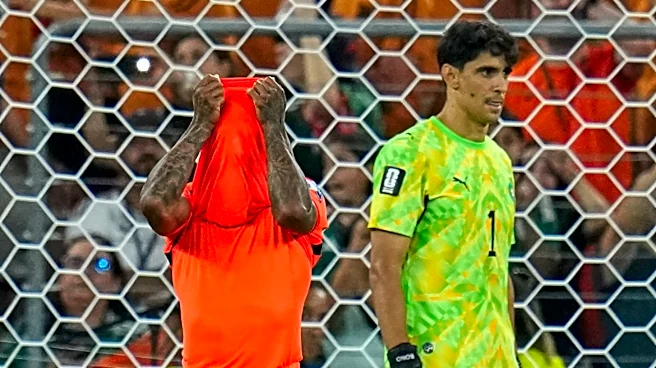
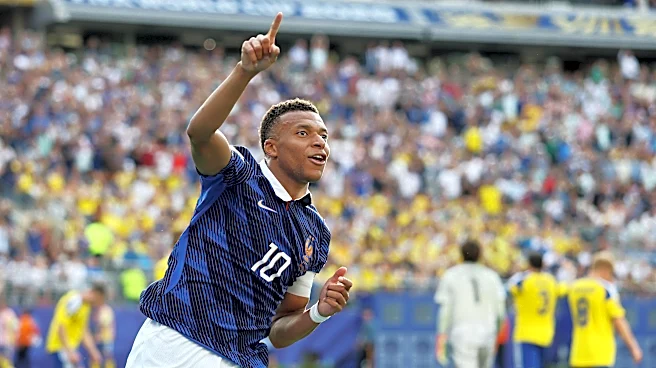
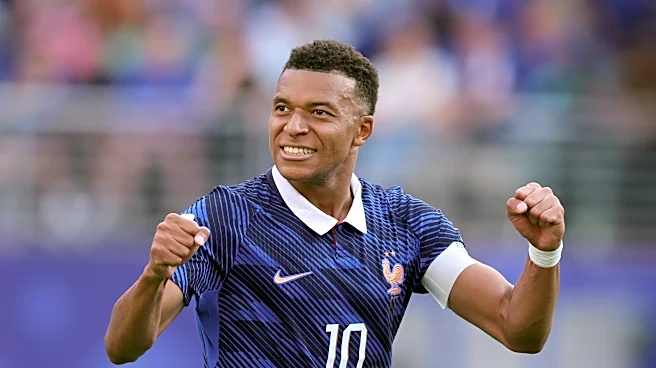
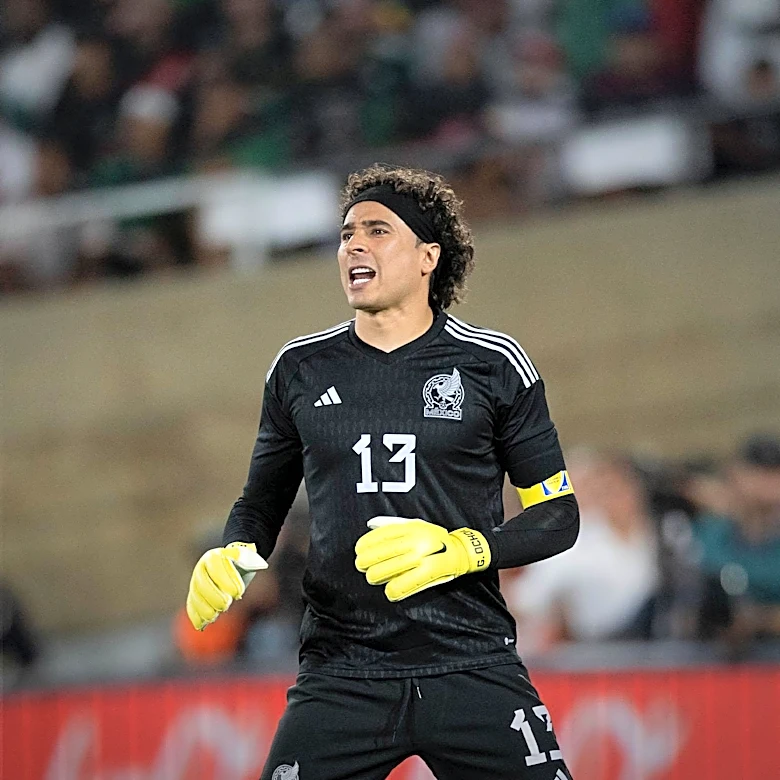
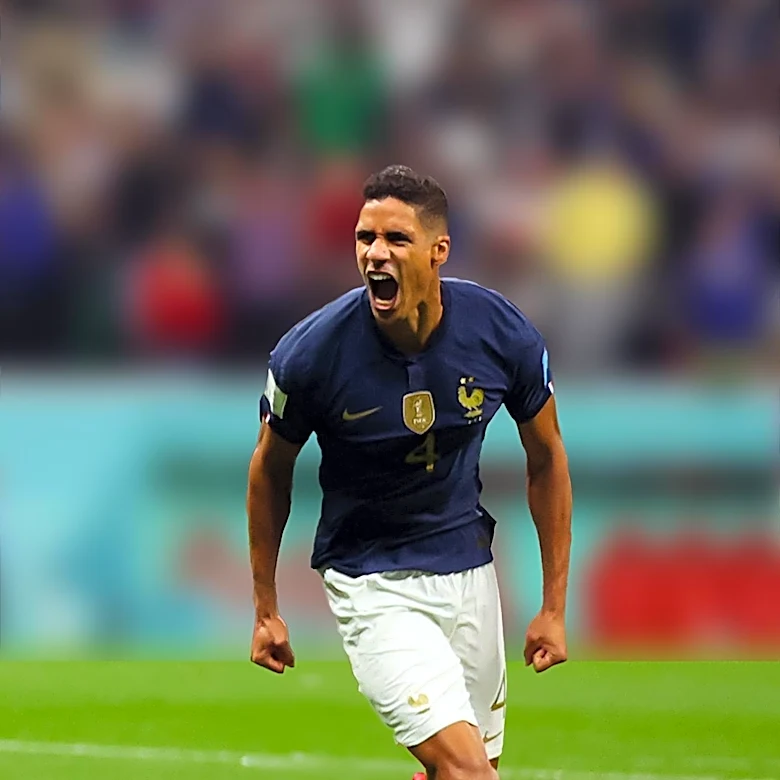
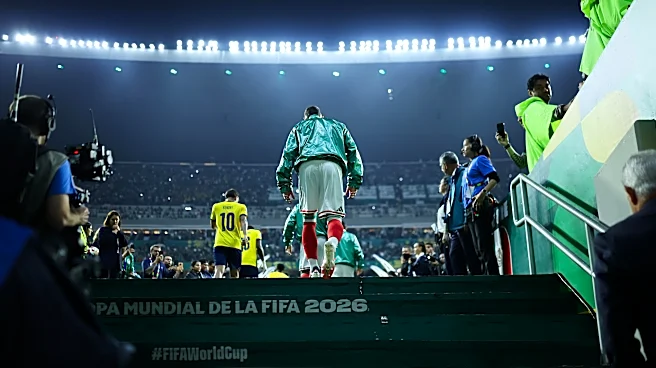
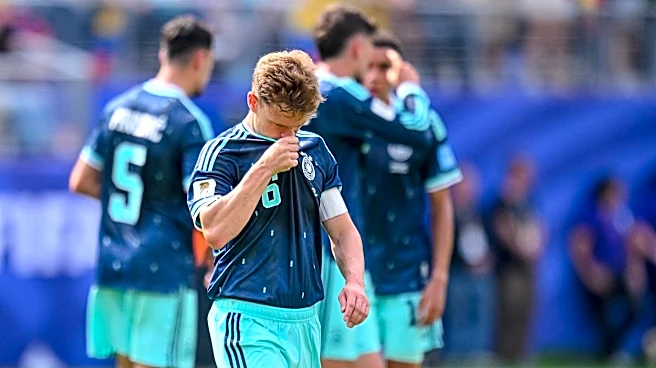
in 28 years. Meanwhile, Mexico celebrated a significant win against Ecuador, advancing to the fifth game for the first time since 1986. Canada also made history by reaching the Round of 16 for the first time, defeating South Africa. In contrast, traditional soccer powerhouses like the Netherlands and Germany faced setbacks. The Netherlands were eliminated by Morocco in a penalty shootout, leading to the resignation of their coach, Ronald Koeman. Germany suffered a shocking defeat to Paraguay, prompting calls for introspection within the German soccer federation. France, however, continued to dominate, with Kylian Mbappé leading the charge in their victory over Sweden.
Why It's Important?
The developments in the 2026 World Cup highlight shifting dynamics in international soccer, with emerging teams challenging established powerhouses. Norway's and Canada's successes underscore the growing competitiveness of global soccer, while Mexico's advancement breaks a longstanding barrier. These outcomes could influence the future of soccer, encouraging investment and development in nations previously considered underdogs. The struggles of teams like Germany and the Netherlands may prompt strategic overhauls, affecting coaching and player development. France's continued dominance, led by Mbappé, reinforces their status as a formidable force, potentially shaping the tournament's outcome and influencing global soccer trends.
What's Next?
As the knockout stage progresses, anticipation builds for upcoming matches, including Mexico's clash with England and Paraguay's challenge against France. These games will test the resilience and strategies of the competing teams. The outcomes could further alter the landscape of international soccer, with potential implications for team rankings and future tournaments. Stakeholders, including national federations and sponsors, will closely monitor these developments, which may impact future investments and partnerships in the sport.