






What's Happening?
Nutrition plays a significant role in the mood and emotional well-being of seniors, with certain foods capable of influencing brain chemicals and inflammation levels. Foods that increase inflammation can negatively affect mood, while those that calm inflammation and support
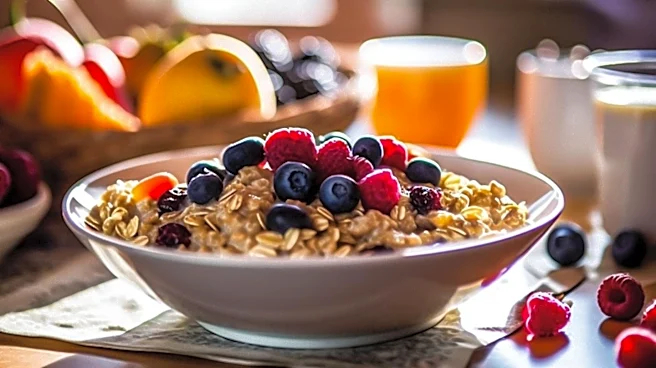
balanced blood sugar contribute to emotional stability. Caregivers are encouraged to make small, meaningful dietary changes for their elderly loved ones, focusing on easy-to-prepare, mood-boosting foods. Key recommendations include fatty fish rich in omega-3s (like salmon and tuna), fermented foods (yogurt, kefir), fiber-rich options (bananas, oats, beans, lentils), antioxidant-packed berries, and nuts and seeds for healthy fats and brain health. Hydration through water is also crucial to prevent fatigue and irritability. It is advised to consult a doctor before making significant dietary changes and to introduce new foods gradually.
Why It's Important?
The connection between diet and mood in seniors highlights a crucial aspect of holistic elder care in the U.S. Addressing nutritional needs can significantly improve the quality of life for older adults, potentially reducing instances of mood swings, fatigue, and irritability. This approach can empower caregivers and healthcare providers to implement non-pharmacological interventions that support mental health. For the healthcare industry, this emphasizes the importance of integrating nutritional counseling into senior care plans. Furthermore, it could lead to increased demand for specialized meal services and food products tailored to the dietary needs of seniors, promoting both physical and emotional well-being. Recognizing this link can also help families better understand and support their elderly relatives, fostering a more positive and stable home environment.
What's Next?
Caregivers and senior care providers are likely to increasingly incorporate mood-boosting dietary strategies into their routines. This may involve more focused meal planning, grocery shopping for specific ingredients, and preparing meals that align with anti-inflammatory and mood-stabilizing principles. Educational programs for caregivers on the impact of nutrition on senior mental health could become more prevalent. The food industry might see a growing market for senior-friendly, nutrient-dense, and easy-to-prepare food options. Additionally, research into the gut-brain axis and its specific implications for the elderly population is expected to continue, potentially leading to more refined dietary recommendations and interventions. Healthcare professionals will likely emphasize the importance of regular doctor consultations before implementing major dietary shifts to ensure safety and efficacy.
Beyond the Headlines
The emphasis on diet for senior mood and emotional well-being touches upon broader societal implications regarding aging and healthcare. It underscores the ethical responsibility to provide comprehensive care that addresses both physical and mental health needs of the elderly. Culturally, it could lead to a greater appreciation for the role of food as medicine and a shift away from solely relying on pharmaceutical solutions for mood management in older adults. This perspective also highlights the potential for intergenerational learning, as younger family members become more aware of the dietary needs of their elders. Long-term, this focus could contribute to a more proactive and preventive approach to senior health, potentially reducing healthcare costs associated with age-related mood disorders and improving overall societal well-being for the aging population.