








What's Happening?
The digital nomad lifestyle is experiencing sustained growth in 2026, transitioning from a temporary trend to a permanent way of life for millions of professionals. Companies are increasingly integrating location flexibility into their policies, while
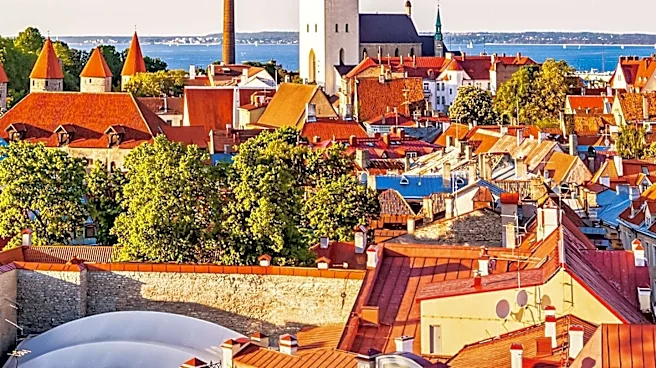
global connectivity has significantly improved, with fiber internet reaching more secondary cities and mobile eSIMs simplifying international travel. Numerous countries have also expanded or refined visa options for remote workers, reducing legal barriers to longer stays. This cultural shift emphasizes autonomy, experiences, and borderless work over traditional office environments. Hotels have adapted to this trend by offering amenities tailored to remote workers, such as fast Wi-Fi, ergonomic desks, long-stay rates, and hybrid living-working spaces. Europe remains a strong region for digital nomads due to its infrastructure, walkable cities, and visa options, with Lisbon and Amsterdam highlighted. Southeast Asia, particularly Bali's Canggu and Ubud, continues to be a popular choice for its affordability and established nomad communities. Latin America, with cities like Medellín and Mexico City, is also emerging as a significant destination.
Why It's Important?
The rise of the digital nomad lifestyle has significant implications for various sectors, including the hospitality industry, urban development, and global labor markets. Hotels that cater to remote workers are gaining a competitive edge by offering specialized services, shifting their business models from short-term tourism to extended stays. This trend influences urban planning as cities market themselves as 'workation' destinations, attracting a new demographic of residents who prioritize connectivity and quality of life. Economically, digital nomads contribute to local economies through their spending on accommodation, food, and services, potentially boosting tourism in less conventional destinations. The increased demand for remote work infrastructure also drives innovation in telecommunications and co-working spaces. For individuals, this lifestyle offers greater flexibility and work-life balance, but it also presents challenges related to visa complexities, healthcare access, and maintaining social connections while frequently relocating. The shift signifies a broader evolution in how work is perceived and performed, moving away from traditional office-centric models.
What's Next?
Looking ahead, the digital nomad trend is expected to continue its expansion, with further refinement in visa programs and increased competition among destinations to attract remote workers. More countries may introduce specific digital nomad visas, streamlining the process for long-term stays. The hospitality industry will likely see further innovation in hotel design and service offerings, with a greater emphasis on integrated living and working spaces, community-building events, and flexible booking options. Secondary cities and emerging hubs are poised to gain more prominence as nomads seek better value and fewer crowds, potentially leading to economic revitalization in these areas. Technology will continue to play a crucial role, with advancements in connectivity and remote work tools further enabling this lifestyle. Additionally, there may be a growing focus on sustainable remote work practices, addressing environmental and social impacts of frequent travel and temporary residency. The evolution of remote work policies within companies will also shape the future landscape, with more organizations embracing fully remote or hybrid models as standard practice.
Beyond the Headlines
Beyond the immediate economic and logistical aspects, the digital nomad phenomenon raises deeper questions about global citizenship, cultural integration, and the future of work-life boundaries. As individuals increasingly live and work across borders, traditional notions of national identity and community may evolve, fostering a more globalized perspective. However, this also presents challenges related to maintaining local cultural integrity in popular nomad hubs and addressing potential gentrification. Ethically, the impact of digital nomads on local housing markets and cost of living in host countries will become a more prominent discussion point. Legally, issues surrounding taxation, social security, and labor laws for remote workers operating across multiple jurisdictions will require more comprehensive international frameworks. Culturally, the constant movement of people can lead to both enriching exchanges and potential misunderstandings, necessitating greater emphasis on cross-cultural communication and respect. The long-term psychological effects of a highly mobile lifestyle on individuals, including feelings of belonging and stability, also warrant further exploration.