





What's Happening?
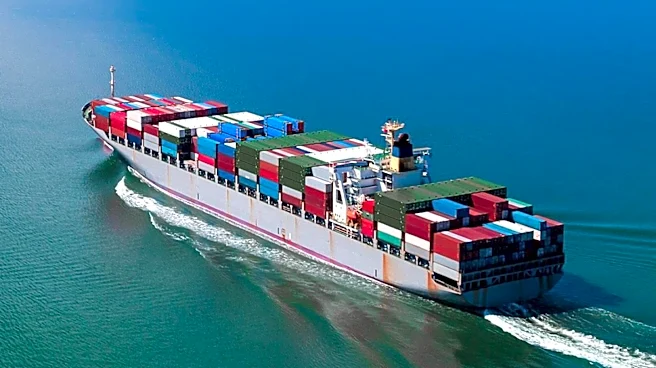
The Society for Gas as a Marine Fuel (SGMF) has released its latest Life Cycle Assessment (LCA) focusing on methanol as a marine fuel. This comprehensive study evaluates 15 different methanol production pathways and concludes that methanol produced using renewable
energy sources offers substantial greenhouse gas (GHG) emissions reductions. The publication follows SGMF's earlier LCAs on LNG and ammonia, providing a comparative, science-based analysis of the emissions performance of key alternative marine fuels. Conducted by WSP, the study's emissions calculations consider a wide range of engine types, including medium-speed 4-stroke and low-speed 2-stroke engines, ensuring a robust assessment of methanol's environmental impact across various maritime applications.
Why It's Important?
This LCA is critically important for the U.S. and global maritime industry as it navigates the complex path towards decarbonization. With increasing pressure from international regulations and environmental mandates, shipping companies are seeking viable alternative fuels to reduce their carbon footprint. Methanol, particularly when produced from renewable sources, presents a promising solution for achieving significant GHG reductions. The study provides essential data for U.S. shipping companies, port authorities, and policymakers to make informed decisions regarding fuel choices, infrastructure investments, and regulatory frameworks. By offering a clear understanding of methanol's emissions profile, the report can accelerate its adoption, contributing to cleaner air in port communities, reducing the environmental impact of shipping on U.S. coastlines, and fostering innovation in green maritime technologies.
What's Next?
The SGMF report suggests that additional production-specific pathways, including co-processing approaches, could offer further emissions reduction opportunities and warrant further assessment. This indicates a continuous evolution in methanol production technologies and a need for ongoing research and development. The maritime industry, including U.S. stakeholders, will likely use this LCA to guide investment in methanol-fueled vessels and bunkering infrastructure. Regulatory bodies may also leverage these findings to refine emissions standards and incentives for alternative fuels. As innovation in alternative fuels progresses rapidly, SGMF plans regular updates to its studies to accurately reflect technological advancements and the latest GHG intensity data, ensuring that the industry has access to the most current and reliable information for its decarbonization strategies.
Beyond the Headlines
The publication of this LCA underscores a broader shift in the maritime industry towards a more holistic, life cycle approach to environmental impact assessment. It moves beyond simply tailpipe emissions to consider the entire production chain of a fuel, from source to consumption. This comprehensive perspective is crucial for avoiding unintended environmental consequences and ensuring that alternative fuels truly deliver on their promise of sustainability. The report also highlights the collaborative effort required to drive decarbonization, involving industry associations, research firms, and technology providers. For the U.S., embracing such detailed assessments will be vital for developing a coherent national strategy for green shipping, fostering a competitive advantage in sustainable maritime technologies, and meeting its international climate commitments.