

What's Happening?
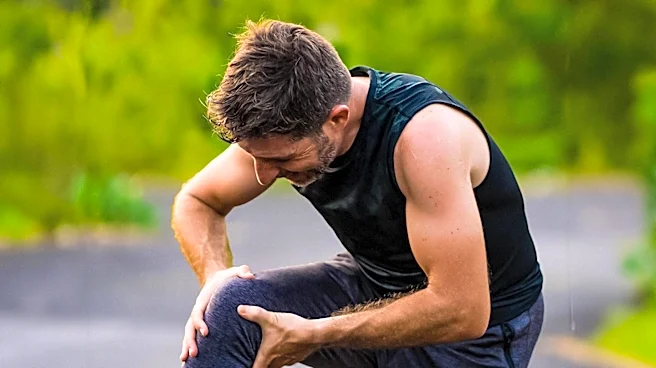
Physical therapists recommend specific glute and core exercises to alleviate pain in the quadratus lumborum (QL) muscle, a deep trunk muscle crucial for pelvic and trunk stability during running. QL pain can stem from tight hip flexors, weak glutes, or upper-back
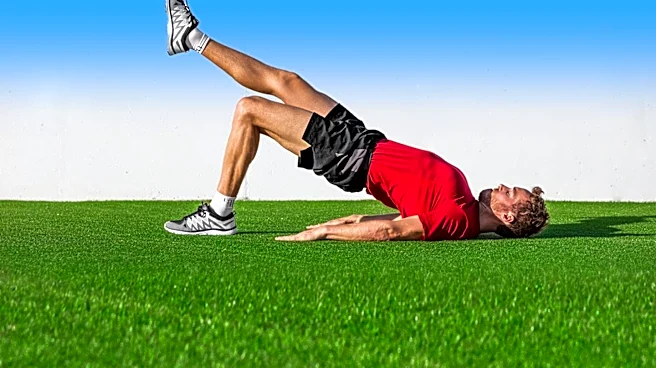
stiffness, leading to compromised running mechanics and reduced performance. Exercises like the Standing Clamshell and Banded Bird Dog are highlighted for their effectiveness. The Standing Clamshell targets the glutes and improves pelvic control, mimicking running movements to reduce strain on the QL caused by weak glutes. The Banded Bird Dog enhances core stability and strengthens glutes, contributing to better running mechanics and less stress on the QL. These exercises are suggested to be performed daily initially to establish neuromuscular patterns, then reduced to two to three times per week as part of a regular strength-training routine after about six weeks.
Why It's Important?
Addressing QL pain and strengthening supporting muscles is crucial for runners and individuals experiencing lower back discomfort. A compromised QL can lead to reduced knee lift, an arched-back running posture, and even hindered breathing, impacting both athletic performance and daily comfort. By focusing on glute and core strength, individuals can correct muscular imbalances that contribute to QL strain, thereby preventing injuries and improving overall biomechanics. This proactive approach not only alleviates existing pain but also builds resilience against future issues, promoting a more efficient and pain-free running experience. The emphasis on proper form and consistent engagement of these muscle groups underscores the interconnectedness of the body's kinetic chain, where weakness in one area can manifest as pain or dysfunction elsewhere.
What's Next?
Individuals experiencing QL pain or seeking to prevent it should integrate these recommended glute and core exercises into their fitness regimen. Starting with one set daily for approximately six weeks will help the body adapt to the new movement patterns. Following this initial phase, the exercises can be performed two to three times per week as part of a broader strength training program. It is important to listen to the body and rest if soreness occurs. If pain persists or worsens despite consistent effort, consulting a physical therapist is advised. A physical therapist can provide a personalized assessment and treatment plan, especially if the pain is severe enough to inhibit running or daily activities. Continued attention to overall body mechanics, including hip flexor flexibility and upper-back mobility, will also be beneficial in maintaining QL health.
Beyond the Headlines
The focus on QL pain and its connection to glute and core strength highlights a broader understanding in sports medicine of the importance of foundational stability for athletic performance and injury prevention. Often, pain in one area is a symptom of dysfunction in a seemingly unrelated part of the body. This emphasizes a holistic approach to physical health, moving beyond treating symptoms to addressing root causes. The prescribed exercises, while specific to QL pain, are fundamental movements that contribute to overall functional fitness, benefiting not just runners but anyone seeking to improve posture, reduce back pain, and enhance daily movement efficiency. This perspective encourages individuals to view their bodies as integrated systems, where balanced strength and flexibility across muscle groups are paramount for long-term well-being and peak physical function.