







What's Happening?
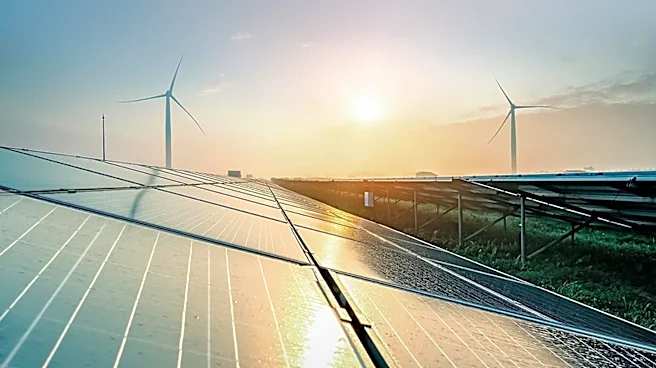
A recent analysis highlights that most of the world's population lives in regions rich in solar and wind resources, facilitating a global shift towards renewable energy. The study, conducted by Professors Ray Wills and Peter Newman, emphasizes that the transition
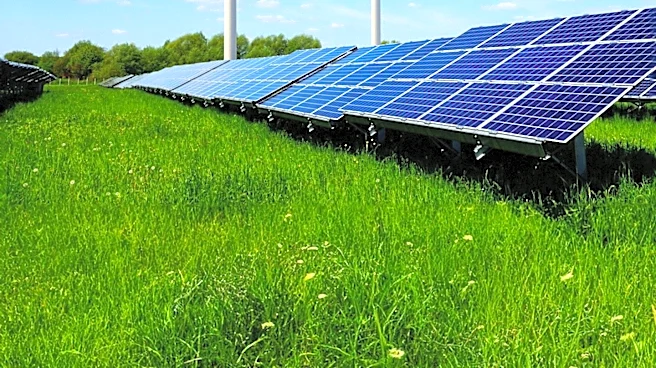
to renewables is not limited by resource scarcity but by the pace of planning and investment. The analysis shows that solar energy is abundant in sun-filled regions such as Africa, Latin America, and parts of the U.S., while wind resources are strong in areas like Western Europe and North America. The integration of solar and wind, along with battery storage, can provide a significant portion of electricity needs, smoothing out variability and reducing reliance on fossil fuels.
Why It's Important?
The findings underscore the potential for renewable energy to become a dominant source of electricity globally, reducing dependence on fossil fuels and enhancing energy sovereignty. For the U.S., this transition could lead to lower energy costs, increased energy security, and reduced environmental impact. The ability to harness local solar and wind resources can decrease the need for imported fuels and mitigate exposure to resource-driven conflicts. The economic benefits of renewables, driven by decreasing costs of solar and battery technologies, present an opportunity for sustainable growth and energy independence.
What's Next?
The continued decline in costs for solar and battery technologies is expected to drive further investment in renewable energy infrastructure. Integrated planning that treats generation, storage, and demand as a unified system will be crucial in achieving a smooth transition. Policymakers and industry leaders will need to focus on creating supportive regulatory environments and investing in grid modernization to accommodate increased renewable energy capacity. The shift towards renewables will require coordinated efforts to ensure energy reliability and affordability while meeting environmental goals.