




What's Happening?
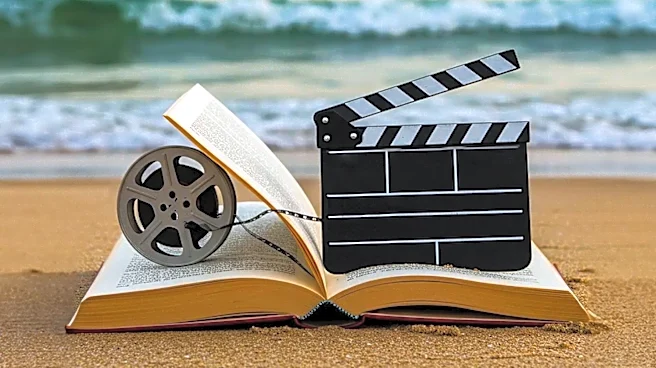
Recent book-to-screen adaptations of popular novels are frequently altering significant plot points, leading to widespread discussion and debate among fans. For instance, in the adaptation of Colleen Hoover’s 'Verity,' the core twist regarding Verity's
manuscript and the ambiguity of her guilt remains, but the on-screen version leaves the audience with a similar cliffhanger as the book, dividing viewers. The 'Bridgerton' series changed how Benedict discovers Sophie's identity; the show features a quicker reveal via a necklace, contrasting with the book's slower, more organic discovery. In Elle Kennedy’s 'Off-Campus' series adaptation, a new rivalry between Hunter and Dean was introduced, which was not present in the original books. Additionally, the visual portrayal of Dracula in films significantly deviates from Bram Stoker's original novel, depicting him as suave rather than the older, less attractive figure described in the book. These changes are often made to accelerate plot progression or add dramatic tension for television audiences.
Why It's Important?
These alterations in book-to-screen adaptations highlight a significant tension between creative fidelity and commercial viability in the U.S. entertainment industry. For authors and publishers, changes can impact how their original work is perceived and potentially affect future book sales or adaptations. For production studios, these decisions are often driven by the need to appeal to a broader television audience, maintain pacing, and create compelling visual narratives, which can lead to increased viewership and revenue. However, these changes can alienate loyal book fans, leading to online debates and criticism, which can influence public perception of the adaptation. The trend also reflects evolving audience expectations, with a growing demand for 'yearning' and slow-burn romances, influencing how stories are adapted and marketed to U.S. viewers.
What's Next?
The trend of modifying book plots for screen adaptations is likely to continue as studios prioritize television pacing and broad audience appeal. This will probably lead to ongoing discussions among fans, critics, and creators about the balance between source material integrity and adaptation necessities. Future adaptations may see increased scrutiny from fan bases, potentially influencing how showrunners approach beloved stories. The demand for specific narrative elements, such as 'yearning' in romances, could also shape future adaptation choices, with studios potentially commissioning stories that align with these popular tropes. This dynamic will continue to fuel online engagement and debate, making book-to-screen adaptations a constant topic in entertainment news and social media.
Beyond the Headlines
The phenomenon of altering book plots for screen adaptations delves into deeper questions about authorship, interpretation, and the nature of storytelling across different mediums. It raises ethical considerations for creators regarding their responsibility to the original work versus their artistic license and commercial pressures. The strong fan reactions underscore the emotional investment audiences have in beloved stories and characters, highlighting how adaptations become part of a shared cultural narrative. This trend also reflects the power of collective audience feedback, as fan discussions and search trends can influence future production decisions. Ultimately, it illustrates the ongoing evolution of storytelling in the digital age, where narratives are constantly reinterpreted and consumed in diverse forms, shaping cultural perceptions and expectations of media.