




What's Happening?
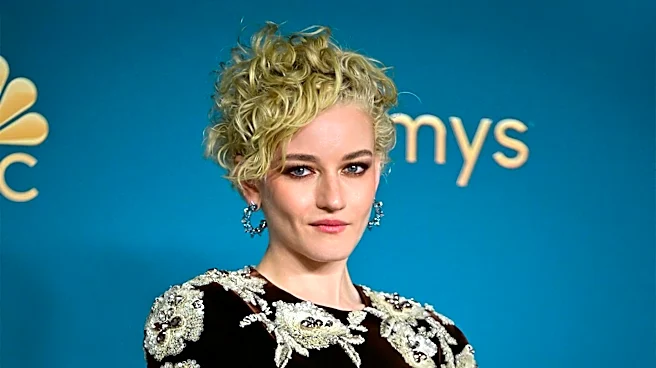
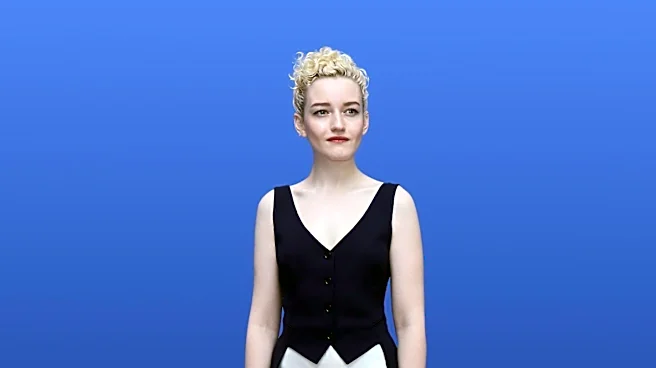
Actress Julia Garner recently showcased a custom blush pink crepe and satin slim-fit tuxedo jumpsuit by Tom Ford by Haider Ackermann at the New York City premiere of her new series, 'The Altruists.' The ensemble featured tonal side bands, a geometric
halter neckline, and an open back with multiple slim cross-back straps. Garner completed her look with mushroom patent leather Aera double ankle-strap pumps, an envelope clutch from the same label, and Lorraine Schwartz diamond earrings. This appearance marks a notable moment in the resurgence of jumpsuit fashion, a style that has seen fluctuating popularity since its roots in the 1970s. Other celebrities, including Odessa A’zion and Anne Hathaway, have also been seen sporting updated jumpsuit styles in 2026, contributing to its renewed presence in mainstream fashion. The series 'The Altruists' details the real-life story of Sam Bankman-Fried and Caroline Ellison, focusing on the founding of FTX, cryptocurrency, and a $36 billion fraud, and is now available for streaming on Netflix.
Why It's Important?
The re-emergence of the jumpsuit as a prominent fashion choice, as highlighted by Julia Garner's recent red carpet appearance, signifies a broader trend in the fashion industry towards revisiting and reinterpreting past styles. This trend can influence consumer purchasing habits and design directions for fashion brands. When celebrities like Garner, known for her Emmy-winning roles, adopt a particular style, it often creates a ripple effect, increasing visibility and demand for similar garments. For designers and retailers, this means an opportunity to capitalize on renewed interest in jumpsuits, potentially leading to new collections and marketing strategies. The cyclical nature of fashion, where styles from previous decades are re-imagined, also impacts the vintage and resale markets, as consumers may seek out original or inspired pieces. This shift can also influence how fashion is perceived in popular culture, potentially making the jumpsuit a more common sight in everyday wear and at formal events.
What's Next?
Following high-profile endorsements from celebrities like Julia Garner, the fashion industry is likely to see an increased presence of jumpsuits in upcoming collections and retail offerings. Designers may introduce more varied interpretations of the jumpsuit, incorporating different fabrics, cuts, and embellishments to cater to a wider audience. Fashion magazines and style influencers are expected to feature jumpsuits more prominently, offering styling tips and showcasing diverse ways to wear the garment. Consumers might see a broader range of jumpsuits available across various price points, from luxury brands to fast fashion retailers, as the trend gains momentum. This resurgence could also lead to a renewed interest in the history of jumpsuit fashion, with retrospectives and analyses of its evolution appearing in fashion media. The continued adoption by other public figures will further solidify its place as a contemporary fashion staple, potentially influencing red carpet events and everyday street style in the coming seasons.
Beyond the Headlines
The revival of the jumpsuit, exemplified by Julia Garner's choice, extends beyond mere fashion trends, touching upon broader cultural and societal shifts. The jumpsuit, historically associated with utility and liberation, can symbolize a move towards more practical yet elegant dressing, challenging traditional gendered attire. Its versatility, offering a complete outfit in one piece, aligns with modern desires for efficiency and comfort without sacrificing style. This trend also reflects a growing appreciation for vintage aesthetics and sustainable fashion practices, as consumers look to past styles for inspiration and longevity. The jumpsuit's ability to be dressed up or down speaks to a contemporary lifestyle that values adaptability and multi-functionality in clothing. Furthermore, the embrace of such a distinctive silhouette by influential figures can subtly influence perceptions of femininity and power in fashion, promoting a more assertive and less overtly decorative approach to dressing.