

What's Happening?
UK singer Yungblud performed at the Vilar de Mouros festival in Portugal despite having a broken leg, an injury sustained during a dirt bike accident at the Sturgis Motorcycle Rally in South Dakota earlier this month. During his performance, he was wheeled
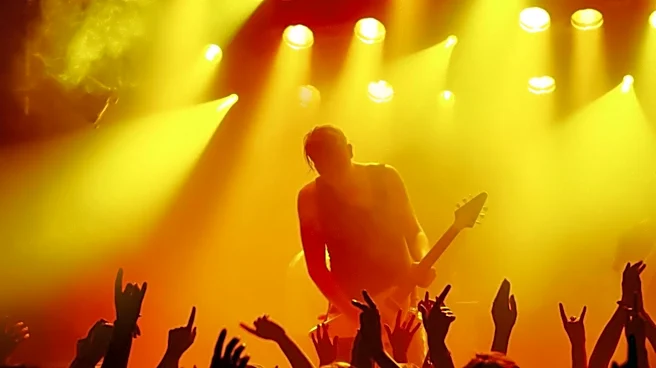
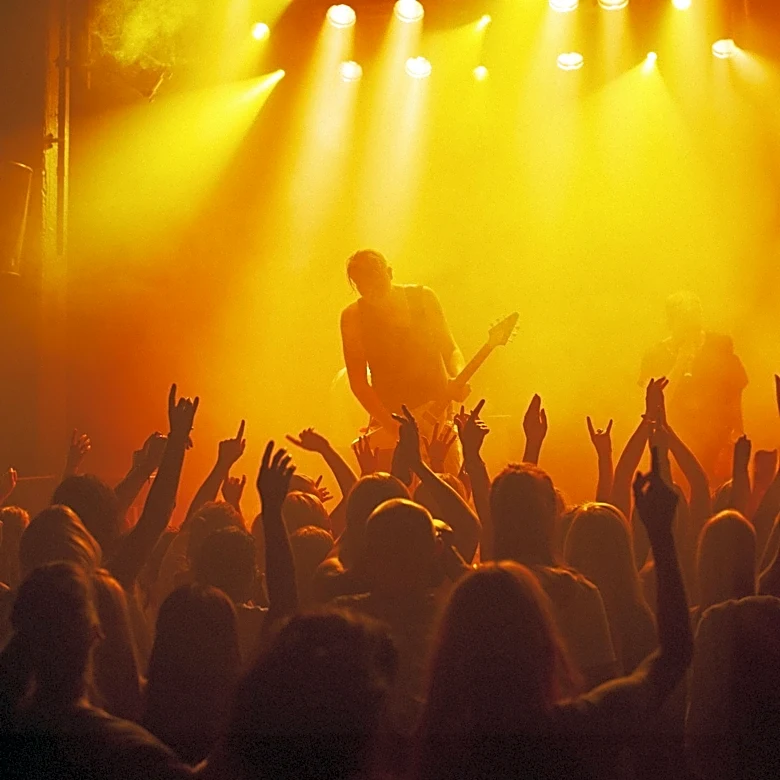
onto the stage by two women dressed as nurses and, at one point, entered the audience to crowdsurf while still in his wheelchair. This demonstrates his commitment to performing for his fans despite a significant physical setback. Yungblud has one more scheduled performance in Belgium before taking time off to allow his leg to heal.
Why It's Important?
This event highlights the dedication and resilience often displayed by artists in the entertainment industry, particularly in the face of personal injury. Yungblud's decision to perform and even crowdsurf while injured sends a powerful message to his fanbase about his commitment to his craft and his audience. Such acts can significantly boost an artist's public image, portraying them as passionate and determined. For the music industry, it showcases the lengths to which performers will go to deliver a show, even when facing physical challenges. This could also influence other artists to push boundaries in their performances, potentially inspiring unique and memorable stage acts that incorporate unexpected elements.
What's Next?
Yungblud is scheduled for one more performance at the Pukkelpop festival in Belgium. Following this, his itinerary is clear, indicating a period of recovery for his broken leg. Fans and media will likely monitor his healing process and anticipate his return to full touring capacity. This incident may also become a notable moment in his career, frequently referenced in future interviews or documentaries. The unique nature of his performance could set a precedent for how artists handle injuries on tour, potentially encouraging more creative solutions to continue performing rather than canceling shows outright.
Beyond the Headlines
Beyond the immediate spectacle, Yungblud's performance in a wheelchair touches on themes of overcoming adversity and the transformative power of live music. It challenges conventional notions of what a live performance entails, demonstrating that physical limitations do not necessarily impede artistic expression or audience engagement. This act could also spark broader conversations about accessibility in entertainment venues and the ways in which artists and event organizers can accommodate performers and attendees with disabilities. It underscores the profound connection between artists and their fans, where the shared experience of live music can transcend physical barriers and create unforgettable moments of collective energy and resilience.