








What's Happening?
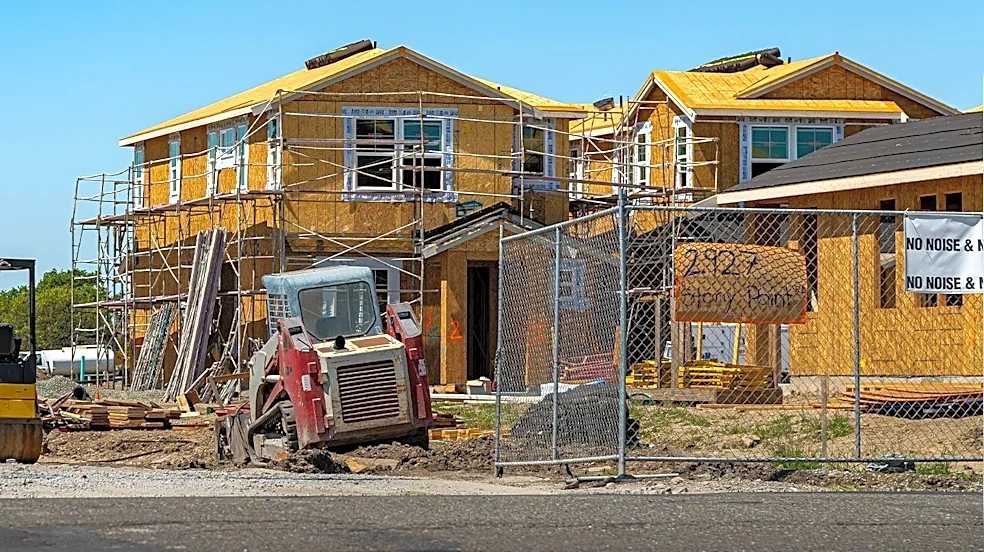
The cost of housing construction is a significant challenge, prompting developers and city planning departments to explore creative solutions to keep expenses down. A 1,500-square-foot home can cost a developer between $450,000 and $525,000 to build,
excluding selling costs. Major unavoidable expenses include land with utility hookups ($50,000-$100,000) and sitework/utility connections ($35,000-$40,000). Other substantial costs cover foundations, framing, insulation, windows, roofing, siding, mechanical, plumbing, electrical systems, and interior finishes. Developers often try to increase revenue by integrating multiple project parts or using their own construction crews. City planning departments, like those in Bloomington, are revising codes to allow for diverse housing types, such as cottage courts, and considering pre-approved floor plans to reduce design and permit costs. Modular and manufactured housing are also being explored as cheaper and faster alternatives, despite their financing challenges and potential for homogeneity.
Why It's Important?
The high cost of housing construction directly impacts housing affordability and availability across the U.S. When development costs are prohibitive, it limits the supply of new homes, driving up prices for both single-family residences and rental units. This situation disproportionately affects lower and middle-income families, exacerbating housing crises in many urban and suburban areas. Efforts by developers to streamline operations and by city planners to update building codes are crucial for fostering a more accessible housing market. By reducing construction expenses, communities can encourage more diverse housing stock, including more affordable options. The debate over building codes highlights a tension between safety and efficiency standards and their economic impact, requiring careful consideration to ensure that regulations do not inadvertently stifle necessary development. Ultimately, addressing construction costs is fundamental to promoting economic equity and sustainable community growth.
What's Next?
Developers will continue to seek efficiencies by integrating various project components and optimizing construction methods. They may also explore alternative housing models like modular construction, despite current financing hurdles. City planning departments are expected to further review and adapt building codes to encourage diverse and cost-effective housing solutions, potentially offering pre-approved designs and waiving permit fees for certain types of developments. There will likely be ongoing discussions between builders and city officials regarding the balance between stringent building codes, which aim for safety and energy efficiency, and their impact on construction costs. The goal is to find a middle ground that allows for the creation of quality, affordable housing without compromising essential standards. Continued innovation in materials and construction techniques will also play a role in future cost reduction efforts.
Beyond the Headlines
The struggle to reduce housing construction costs reveals a complex interplay of economic, regulatory, and social factors. Beyond the immediate financial implications, the high cost of building contributes to urban sprawl as developers seek cheaper land further from city centers, impacting infrastructure, transportation, and environmental sustainability. The push for modular and manufactured homes, while offering cost benefits, also raises questions about architectural diversity, community aesthetics, and the long-term value of such properties. Furthermore, the discussion around building codes touches upon the evolving societal expectations for safety, energy efficiency, and accessibility, which often come with increased costs. This ongoing challenge requires a holistic approach, involving not just developers and city planners but also policymakers, financial institutions, and community stakeholders, to create a housing ecosystem that is both economically viable and socially equitable.