


What's Happening?
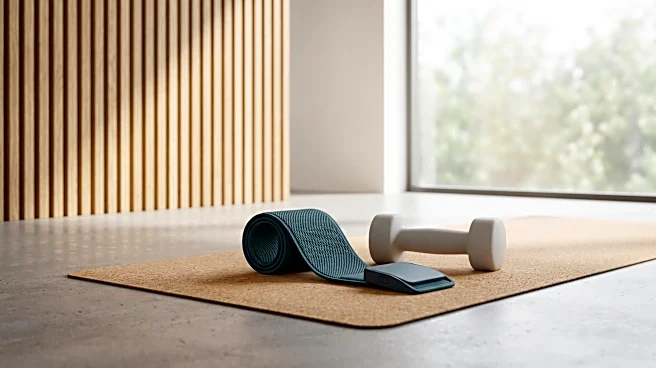
A blood flow restriction (BFR) training device, specifically the Suji cuff, is being utilized to make light weights feel significantly heavier, promoting muscle growth with lower loads. The device works by restricting blood from leaving the working muscle while
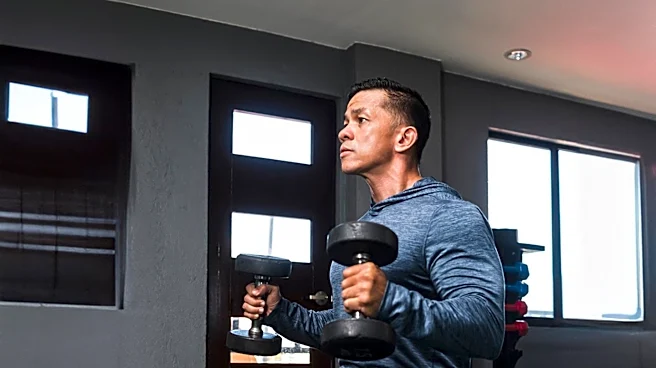
still allowing some blood to flow in, creating a temporary 'pressure cooker' effect within the limb. This process reduces oxygen and accelerates fatigue, causing the muscle to behave as if it's under a much heavier load. The body then recruits muscle fibers typically reserved for more intense work. The Suji cuff is noted for its personalized calibration, which estimates 'limb occlusion pressure' to ensure the correct amount of pressure is applied, avoiding the risks associated with improperly applied BFR. This method allows individuals to achieve muscle size gains comparable to traditional heavier lifting, even with weights as light as 20 pounds.
Why It's Important?
This technology offers a significant advantage for individuals in the U.S. who may be unable to lift heavy weights due to injury, recovery, or simply a desire for a less strenuous workout. For those recovering from injuries, like a shattered collarbone as mentioned in the source, BFR training provides a way to rebuild muscle without excessive strain. It also presents a practical solution for maintaining fitness during travel or on days when heavy lifting is not feasible. The ability to achieve muscle growth with lower loads can reduce the risk of injury associated with heavy lifting, making strength training more accessible and sustainable for a broader population, including older adults or those new to exercise. This innovation could influence training methodologies in physical therapy, athletic conditioning, and general fitness.
What's Next?
The Suji cuff and similar BFR devices are likely to see increased adoption in fitness and rehabilitation settings. As research continues to validate the efficacy and safety of BFR training, it may become a more mainstream tool for muscle development and recovery. The personalized calibration feature of devices like the Suji cuff addresses a key safety concern, making BFR more accessible to a wider audience under proper guidance. Further developments might include integration with smart fitness trackers or AI-driven personalized training programs. However, it is crucial for individuals to consult with a doctor or physical therapist before incorporating BFR training, especially if they have pre-existing conditions or are recovering from surgery, to ensure safe and effective use.
Beyond the Headlines
The rise of BFR training reflects a broader trend in fitness towards 'smarter' and more efficient workouts, challenging the traditional 'no pain, no gain' mentality. It highlights how technology can be leveraged to optimize physiological responses, allowing for significant gains with less physical stress. This approach could lead to a re-evaluation of training paradigms, emphasizing metabolic stress and muscle fatigue over sheer mechanical load. Ethically, the accessibility of such devices raises questions about proper instruction and supervision to prevent misuse. Culturally, it might contribute to a shift in how people perceive strength and fitness, moving towards methods that prioritize longevity and injury prevention alongside performance. The long-term implication could be a more inclusive fitness landscape where effective strength training is achievable for almost anyone, regardless of physical limitations.