



What's Happening?
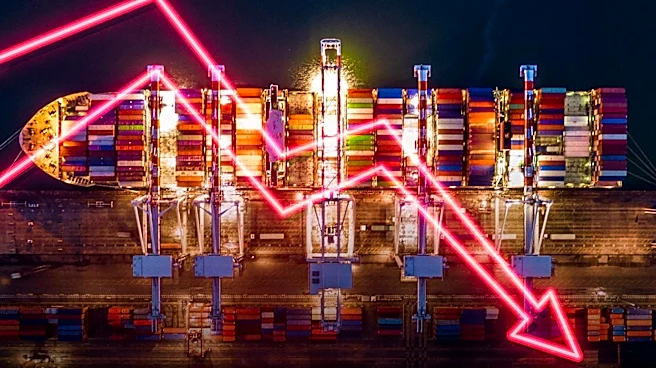
The Federal Board of Revenue (FBR) in Pakistan is facing significant criticism regarding its policy of withholding advance income tax at the import stage, which is reportedly causing serious financial problems for industries. According to Member Customs
FBR Shakil Shah, this practice unnecessarily blocks industry funds, as the tax is withheld regardless of whether the industry will make a profit. If earned profits are less than the withheld advance income tax, importers may never receive refunds. Additionally, a member of the National Tariff Policy Board has opposed a decision to impose up to 31% additional duty on certain imports, including vehicle tires and motorcycle parts. This move contradicts the government's new pro-trade liberalization National Tariff Policy, which aims to dismantle trade barriers. The FBR had moved a summary for the approval of the Economic Coordination Committee (ECC) for these additional duties, despite the National Tariff Policy discouraging import substitution.
Why It's Important?
The FBR's import tax policies have significant implications for Pakistan's industrial sector and its broader economic goals. The practice of withholding advance income tax at the import stage ties up capital that industries could otherwise use for operations, investment, and growth. This can particularly burden businesses with tight cash flows or those operating on thin margins, potentially hindering their competitiveness and profitability. The imposition of additional duties on imports, especially for components like vehicle tires and motorcycle parts, directly conflicts with the government's stated objective of trade liberalization under the National Tariff Policy. Such duties can increase the cost of production for local manufacturers, potentially leading to higher prices for consumers or reduced demand for locally assembled goods. This could also disincentivize foreign investment and make it harder for Pakistani industries to integrate into global supply chains, undermining efforts to shift towards an export-led economy.
What's Next?
The ongoing criticism suggests that there may be continued pressure on the FBR to re-evaluate its import tax policies, particularly the withholding of advance income tax and the imposition of additional duties. Member Customs FBR Shakil Shah has indicated a need to eliminate withholding taxes at the import stage, suggesting potential internal discussions or proposals for reform within the FBR. The National Tariff Policy Board's opposition to the additional duties highlights a potential conflict within government bodies regarding economic policy direction. Future developments could include formal reviews of these tax measures, amendments to existing regulations, or further public discourse on the impact of these policies on industries and the economy. The government may need to reconcile its revenue generation objectives with its trade liberalization goals to ensure a coherent and supportive environment for industrial growth.
Beyond the Headlines
The issues surrounding import taxes in Pakistan reveal a deeper tension between revenue generation and industrial development. While governments often rely on import duties and taxes as a significant source of revenue, particularly in developing economies, excessive or poorly structured taxes can inadvertently stifle local industries and discourage trade. The debate over advance income tax and additional duties underscores the challenge of balancing fiscal needs with the imperative to foster a competitive and export-oriented economy. The conflict between the FBR's actions and the National Tariff Policy also points to potential inconsistencies in policy implementation, which can create uncertainty for businesses and undermine investor confidence. Addressing these issues effectively requires a comprehensive approach that considers the long-term economic impact of tax policies on industrial growth, trade competitiveness, and overall economic stability, rather than solely focusing on short-term revenue targets.