




What's Happening?
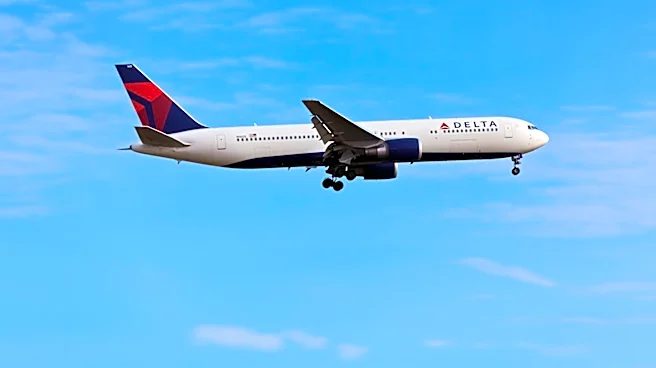
Ed Bastian, the Chief Executive Officer of Delta Air Lines, has publicly stated that the flight time for one of the airline's oldest routes, from Atlanta to LaGuardia, is now longer than it was in the 1950s. Speaking at the #F500Innovation Forum, Bastian described
this situation as 'absurd.' He highlighted that despite advancements in aviation technology over several decades, a fundamental aspect of air travel on this specific route has regressed in terms of efficiency. This observation points to broader issues within the air travel industry that may be contributing to increased travel times, such as air traffic control limitations, airport congestion, or operational inefficiencies. Bastian's comments were made during an interview with Fortune's Alyson Shontell, drawing attention to a problem that directly impacts passenger experience and airline operational costs.
Why It's Important?
This statement from Delta's CEO is significant because it underscores persistent challenges within the U.S. air transportation system. Slower flight times on established routes can lead to increased operational costs for airlines, including higher fuel consumption and longer crew duty periods. For passengers, it translates to extended travel durations, potential delays, and reduced overall satisfaction. The 'absurdity' highlighted by Bastian suggests a systemic issue that could affect the competitiveness and efficiency of domestic air travel. If a major airline CEO is pointing out such a fundamental regression, it indicates that the problem is not trivial and likely has multifaceted causes, potentially involving infrastructure, regulatory frameworks, or air traffic management systems that have not kept pace with demand or technological potential. This could impact business travelers who rely on timely arrivals and departures, as well as leisure travelers seeking efficient journeys.
What's Next?
Bastian's remarks could prompt further discussion and scrutiny regarding the efficiency of U.S. air travel infrastructure and operations. While he did not propose immediate solutions, his public criticism may encourage stakeholders, including the Federal Aviation Administration (FAA), airport authorities, and other airlines, to re-evaluate current practices and invest in improvements. Potential next steps could involve collaborative efforts to modernize air traffic control systems, optimize flight paths, or enhance airport capacity. Airlines might also explore operational adjustments to mitigate the impact of these longer flight times. The issue could also become a point of discussion in broader policy debates concerning national infrastructure investment and the future of air travel in the United States, potentially leading to calls for government intervention or industry-led initiatives to address the inefficiencies.
Beyond the Headlines
The observation that a flight route is slower now than decades ago points to a deeper issue beyond mere operational delays; it suggests a potential stagnation or even decline in certain aspects of infrastructure development relative to demand. This situation could reflect a broader challenge in maintaining and upgrading critical national infrastructure to keep pace with economic growth and technological advancements. Ethically, it raises questions about the responsibility of various entities—government, airlines, and airport operators—to ensure efficient and reliable public services. Legally, it might prompt discussions about regulatory frameworks that could either impede or facilitate improvements in air travel efficiency. Culturally, it challenges the narrative of continuous progress and innovation, highlighting areas where modern systems may be underperforming compared to past benchmarks, potentially eroding public trust in the efficiency of contemporary transportation systems.