




What's Happening?
Postpartum fitness recommendations highlight a gradual and gentle approach to recovery, particularly for individuals who have undergone a C-section. The focus is on rebuilding strength and coordination rather than rushing to 'bounce back' to pre-pregnancy
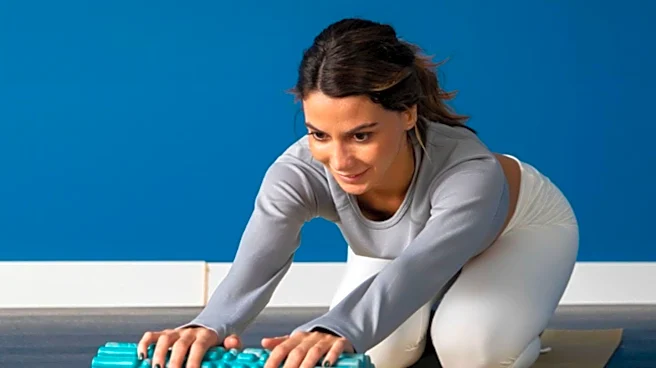
fitness levels. Initial steps include breathing exercises, comfortable walking, and gentle core coordination. Physical therapy is strongly recommended as a first line of treatment, often starting 6-8 weeks postpartum, to provide a safe and clear plan for returning to exercise. This therapy assesses various physical aspects such as breathing, abdominal strength, scar mobility, posture, hip strength, and pelvic floor function to create a personalized program. The recovery process acknowledges that a C-section is a major abdominal surgery and that the body is also healing from pregnancy, hormonal changes, and the demands of newborn care. It's crucial to listen to the body and avoid activities that cause increased pain, bleeding, pressure, or incision symptoms.
Why It's Important?
This emphasis on a structured and cautious postpartum fitness approach is vital for the long-term health and well-being of new parents. Rushing recovery or engaging in inappropriate exercises can lead to complications such as increased pain, pelvic floor dysfunction, or delayed healing of surgical incisions. By prioritizing gentle movements and professional guidance, individuals can prevent further injury and effectively address common postpartum issues like diastasis recti (abdominal muscle separation) and pelvic floor weakness. The guidance from physical therapists ensures that exercises are tailored to individual needs and recovery stages, promoting a stronger, more supported, and capable body. This approach also helps manage expectations, moving away from societal pressures of quick 'postpartum transformations' and focusing instead on sustainable health and functional strength for daily activities and childcare.
What's Next?
Individuals recovering postpartum, especially after a C-section, are encouraged to seek guidance from their obstetric provider regarding when it is medically safe to begin exercising. Following this, consulting with a pelvic health physical therapist is a recommended next step to develop a personalized exercise plan. This plan will likely start with foundational movements like breathing exercises and short walks, gradually progressing to gentle strength work. The focus will be on reconnecting with deep core muscles and addressing any pelvic floor concerns. As recovery progresses, more advanced exercises can be introduced, but always with careful attention to the body's response. The goal is a phased return to activity, ensuring that each stage is managed without exacerbating symptoms, ultimately leading to a confident and comfortable return to desired physical activities.
Beyond the Headlines
The shift in postpartum fitness recommendations reflects a broader understanding of women's health and the complexities of recovery after childbirth. It challenges the often unrealistic expectations set by social media and promotes a more compassionate and evidence-based approach. This perspective acknowledges that recovery is not just about physical healing but also about mental and emotional well-being, as new parents navigate sleep deprivation, hormonal changes, and the demands of caring for a newborn. By advocating for professional support and a gradual return to activity, the healthcare community is fostering a culture where new parents are empowered to prioritize their health without feeling pressured to conform to idealized standards. This can lead to improved long-term health outcomes, reduced incidence of chronic pain or dysfunction, and a more positive postpartum experience overall.