






What's Happening?
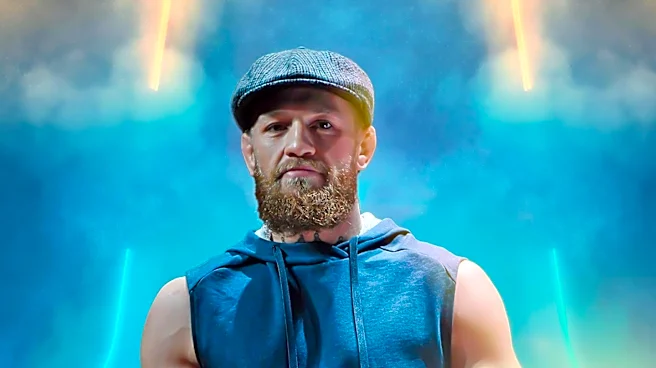
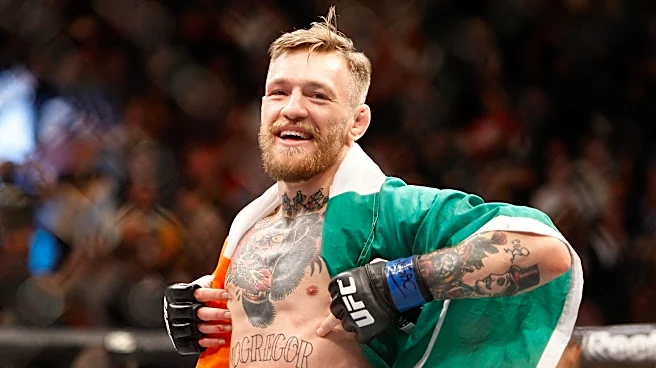
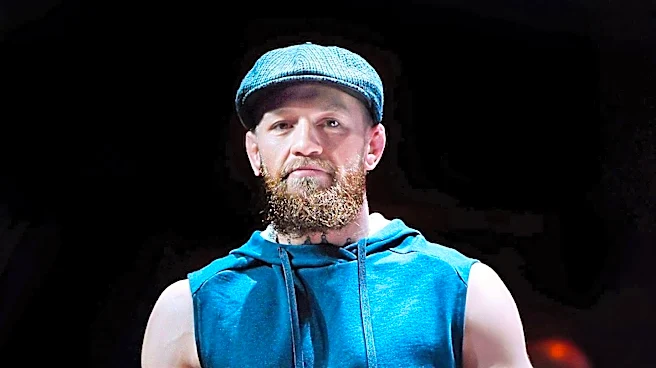
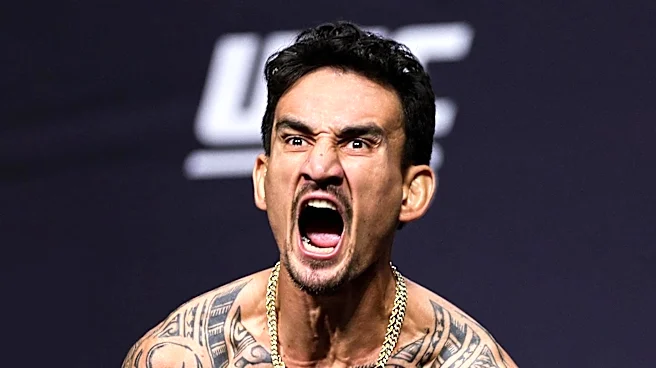
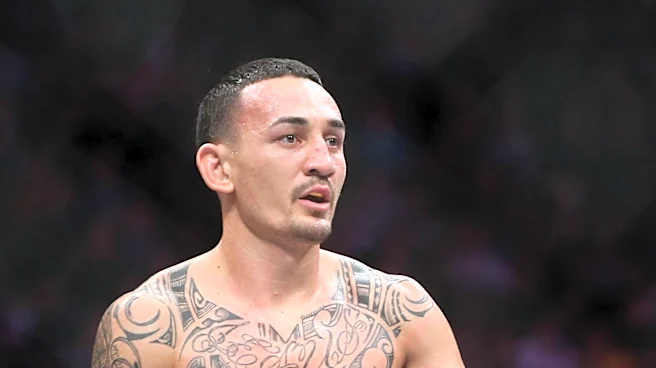
Conor McGregor, the renowned UFC fighter, is set to make his return to the octagon after a five-year hiatus, with a fight against Max Holloway scheduled for July 11. During his time away from the sport, McGregor has faced numerous personal challenges,
including legal issues and public controversies. He was involved in a sexual assault allegation in Miami, which was later dropped, and was found liable in a civil case in Ireland for a separate incident. Despite these setbacks, McGregor is focusing on self-improvement and acknowledges the pitfalls of fame. He has undergone treatment and engaged in self-reflective work to address his past behaviors. McGregor admits to struggling with old habits but is committed to personal growth as he prepares for his comeback.
Why It's Important?
McGregor's return to the UFC is significant for both his career and the sport. As a former two-division champion, his presence in the octagon draws substantial attention and revenue, impacting the UFC's business and viewership. His personal journey of addressing past mistakes and striving for self-improvement resonates with fans and the public, highlighting the challenges athletes face beyond their professional achievements. McGregor's comeback also serves as a reminder of the pressures of fame and the importance of mental health and personal development in high-profile careers.
What's Next?
As McGregor prepares for his fight against Max Holloway, the focus will be on his performance and whether he can reclaim his status as a top contender in the UFC. The outcome of the fight could determine his future trajectory in the sport. Additionally, McGregor's ongoing efforts to manage his personal life and public image will continue to be scrutinized. His ability to maintain a balance between his professional commitments and personal growth will be crucial in shaping his legacy both inside and outside the octagon.