



What's Happening?
The Ellen MacArthur Foundation is promoting a circular economy model within the fashion industry to address the significant environmental impact of fast fashion. This model emphasizes designing clothing for longevity and keeping garments in use through
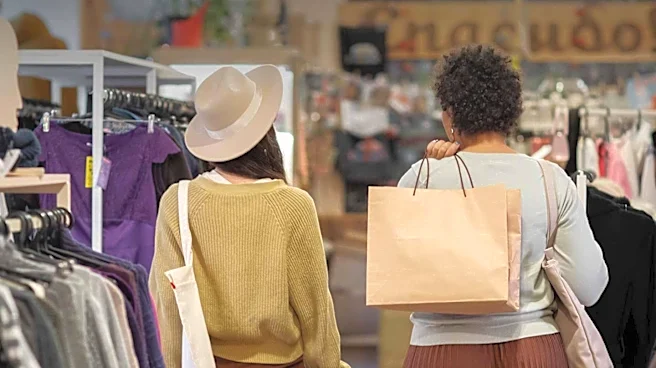
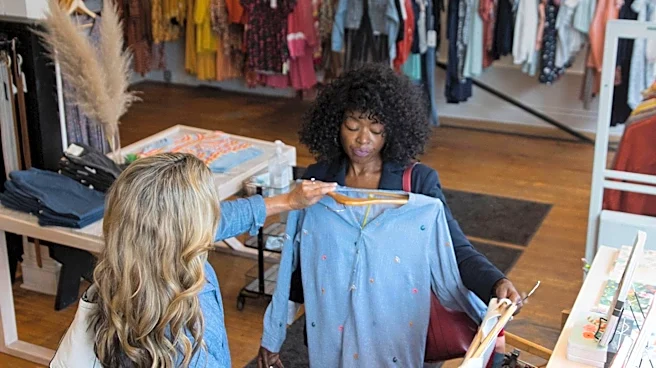
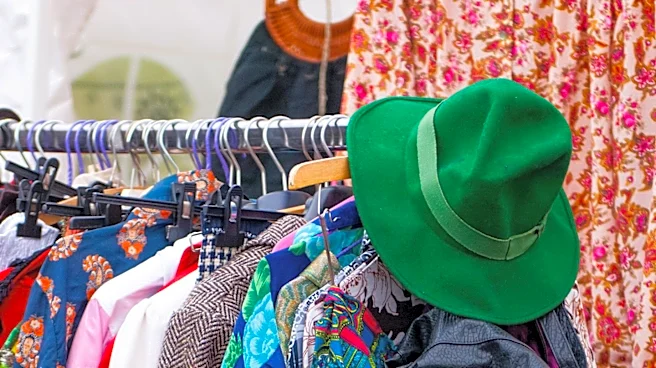
repair, resale, reuse, and recycling. The current linear system, where resources are used to produce clothing that is then purchased, worn, and discarded, contributes to approximately 92 million tonnes of textile waste annually, according to the United Nations Environment Program (UNEP). This waste often ends up in landfills or is incinerated, exacerbating environmental pollution and greenhouse gas emissions. The Foundation's approach aims to shift consumer and business behavior away from treating clothing as disposable, encouraging recognition of its value beyond the initial purchase. Local initiatives, such as secondhand stores and clothing exchanges in Boulder, Colorado, exemplify how communities can contribute to this circular model by offering alternatives to constant new purchases.
Why It's Important?
The shift towards a circular economy in fashion is crucial for mitigating the environmental damage caused by the industry. The current fast fashion model depletes natural resources, consumes vast amounts of energy and water, and generates substantial waste, contributing to climate change and pollution. By extending the lifespan of clothing through repair, resale, and recycling, the circular economy model reduces the demand for new production, thereby conserving resources and decreasing waste. This approach aligns with global sustainability goals, particularly the United Nations Sustainable Development Goals (SDGs) 12 (Efficient Consumption and Production) and 13 (Climate Action). For consumers, it offers more sustainable shopping options and encourages a mindful approach to consumption. For businesses, it presents an opportunity to innovate in design, production, and supply chain management, potentially leading to new business models focused on durability and resource efficiency.
What's Next?
Moving forward, the fashion industry is expected to see increased efforts from businesses, governments, and consumers to adopt more sustainable practices. Consumers can contribute by making conscious choices to buy less, shop at secondhand stores, and extend the life of their clothing. Businesses will likely explore innovative ways to design durable garments, implement take-back programs, and invest in recycling technologies. Governments may introduce policies and regulations to encourage sustainable textile production and waste reduction. The continued promotion of circular economy principles by organizations like the Ellen MacArthur Foundation will likely drive further awareness and adoption. Local communities are also expected to play a vital role by fostering local reuse and recycling initiatives, creating a network of sustainable fashion alternatives.
Beyond the Headlines
Beyond the immediate environmental benefits, the push for a circular economy in fashion has deeper implications for societal values and economic structures. It challenges the prevailing consumer culture that prioritizes constant newness and disposability, encouraging a more thoughtful and resource-conscious approach to consumption. This shift could lead to a re-evaluation of what constitutes 'value' in clothing, moving beyond price and trendiness to include durability, ethical production, and environmental impact. Economically, it could foster new industries focused on repair, resale, and textile recycling, creating jobs and diversifying the fashion sector. Furthermore, it highlights the interconnectedness of global supply chains and the collective responsibility of producers and consumers in addressing environmental challenges, potentially inspiring similar circular economy models in other industries.