



What's Happening?
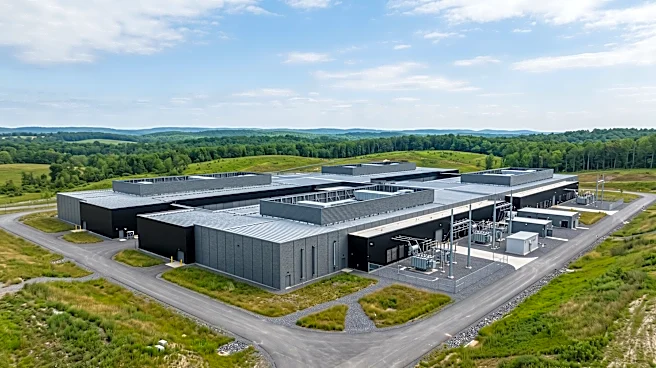
Jones Lang LaSalle (JLL) and CNX Resources are collaborating to market and lease a proposed hyperscale AI data center at the Zediker Station property in South Strabane Township, Washington County, Pennsylvania. This 1,400-to-1,500-acre site, historically
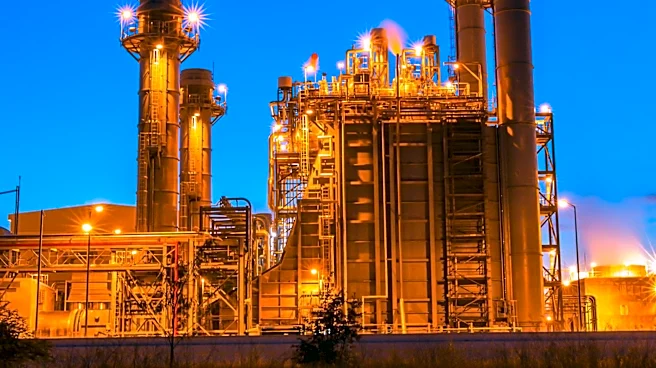
a farm and later a railroad hub for coal transportation, is now owned by CNX Resources. The proposed data center is designed to be 'carbon-neutral' by utilizing remediated mine gas (RMG), which is methane captured from coal mine ventilation systems. The facility plans to access existing rail lines, nearby electrical infrastructure, and on-site or nearby fracked wells to supply 500-700 MW of power. The Allegheny Conference on Community Development has conducted an economic impact analysis, projecting significant economic output, job creation, and tax revenue for the region. South Strabane Township has begun drafting zoning rules to regulate high-tech infrastructure, with the Planning Commission recommending approval of the data center and setback rules despite some pushback.
Why It's Important?
The proposed Zediker Station data center highlights a growing trend of large-scale data center developments in Southwestern Pennsylvania, often targeting former industrial or extractive sites. This project, like others in the region, seeks to leverage existing infrastructure and the area's abundant fracked gas resources for power generation. The reliance on 'behind-the-meter' gas-fired power plants, even with remediated mine gas, raises concerns about air quality and the expansion of fossil fuel infrastructure. While developers promise economic benefits such as jobs and tax revenue, the actual long-term job creation from data centers is often limited to a small number of permanent positions compared to construction jobs. The project's potential impact on local electricity and water rates, noise, and light pollution is a significant concern for residents, who are actively pushing back against such developments. The project also underscores the challenges local municipalities face in regulating complex, energy-intensive facilities with existing zoning laws.
What's Next?
South Strabane Township is actively developing and refining its zoning framework for data centers. The Planning Commission has recommended approval of the proposed data center and its setback rules, but a third ordinance governing fossil fuel power generation is currently being drafted by township leaders. Community opposition, including a petition seeking 1,000 signatures, indicates ongoing public scrutiny and potential challenges to the project's progression. The project's 'carbon-neutral' claim, based on remediated mine gas, will likely face continued examination regarding its environmental impact. The economic impact analysis provided by CNX Resources and JLL will be a key point of discussion as the project moves through regulatory and public review processes. The outcome of these local regulatory efforts and community engagement will significantly influence the feasibility and final design of the Zediker Station data center.
Beyond the Headlines
The Zediker Station data center proposal reflects a broader national and regional tension between economic development, technological advancement, and environmental and community well-being. The concept of 'carbon-neutral' power through remediated mine gas, while seemingly innovative, raises questions about the true sustainability and long-term environmental consequences of relying on fossil fuel byproducts. The project's location in a region with a history of extractive industries and existing environmental burdens highlights the ethical implications of siting new industrial developments in environmental justice areas. The strong community pushback, characterized by concerns over quality of life, environmental impacts, and the perceived imbalance of economic benefits, points to a growing demand for greater transparency and local control in large-scale infrastructure projects. This situation underscores the need for comprehensive regional planning that considers cumulative environmental impacts and ensures equitable distribution of benefits and burdens.