


What's Happening?
Maximalist decor is gaining prominence as a design approach that embraces abundance, color, pattern, and texture, intentionally arranged to create rich and coherent spaces. This style stands in direct opposition to minimalism, which seeks calm through
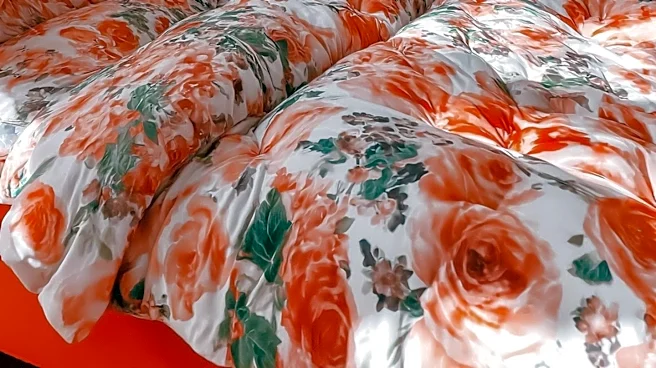
absence, with maximalism aiming for warmth and wonder through presence. Key tenets of maximalist decor include curated abundance, where every element serves a purpose, and the use of a unifying thread—such as a recurring color, motif, or mood—to maintain cohesion in a busy room. The approach encourages personal expression through meaningful objects, whether heirlooms, original art, or cherished prints, ensuring the space feels abundant and intentional rather than cluttered. This trend is seen as a reaction against a decade of neutral, pared-back interiors, with a growing desire for homes that feel alive and reflect individuality.
Why It's Important?
The rise of maximalist decor signifies a cultural shift towards greater self-expression and individuality in personal spaces. This trend challenges the long-standing dominance of minimalist aesthetics, suggesting that consumers are increasingly seeking environments that evoke emotion and tell a personal story. For businesses in the home decor and interior design sectors, this translates into a demand for bolder colors, intricate patterns, diverse textures, and unique, character-filled objects. It encourages a move away from mass-produced, generic items towards more distinctive and artisanal pieces. The emphasis on 'dopamine decor'—the idea that joyful objects and colors can uplift mood—highlights a consumer desire for homes that actively contribute to well-being. This could lead to increased sales of vibrant textiles, statement wallpapers, and eclectic art, impacting manufacturing and retail strategies in the home goods market.
What's Next?
The maximalist trend is expected to continue evolving, with a focus on how to implement it without creating chaos. Designers and consumers will likely explore strategies such as the '3-5-7 rule' for grouping objects, anchoring schemes with a consistent color palette, and ensuring areas for the eye to rest. The integration of diverse patterns, varying in scale, will be a key element, along with layering textiles like cushions, throws, and rugs to add tactile richness. Statement walls and wallpapers, particularly those with dark florals or botanical prints, are anticipated to remain popular for creating immediate impact. The emphasis on personal meaning suggests a sustained interest in unique art, prints, and gallery walls that reflect individual stories. This trend encourages a more thoughtful and additive approach to decorating, where homes are built over time with cherished pieces.
Beyond the Headlines
Beyond its aesthetic appeal, maximalist decor carries deeper implications for consumer behavior and cultural values. It represents a rejection of conformity and a celebration of individual identity, particularly among younger generations who use their homes as a canvas for self-expression. The concept of 'maximalism with meaning' suggests a more sustainable approach to consumption, where items are chosen for their emotional value and longevity rather than fleeting trends. This contrasts with disposable consumerism, promoting investment in pieces that resonate deeply and contribute to a rich, personal narrative. The trend also highlights the psychological impact of environment, recognizing that a home filled with color, texture, and meaningful objects can significantly enhance mood and well-being. It underscores the idea that our living spaces are not just functional but powerful reflections of our inner lives and aspirations.