


What's Happening?
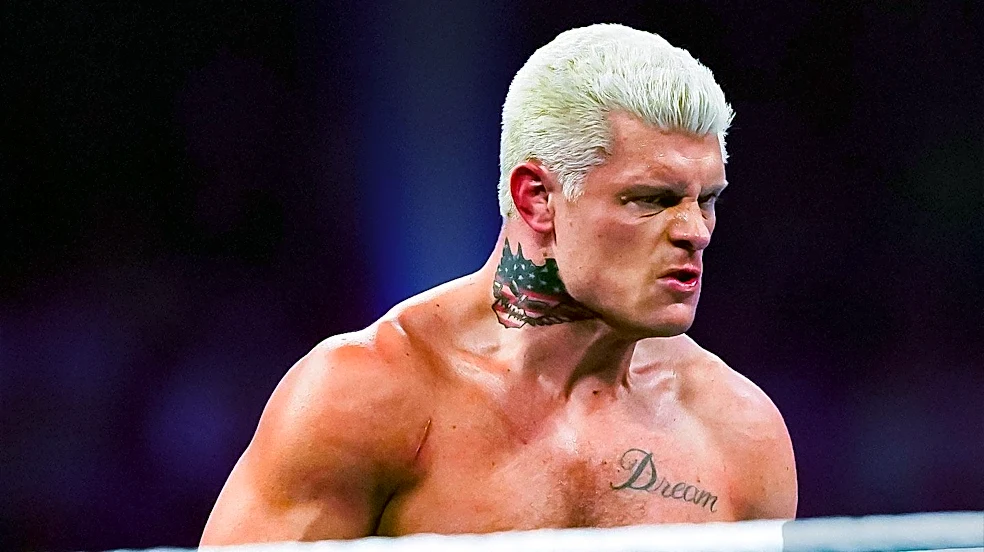
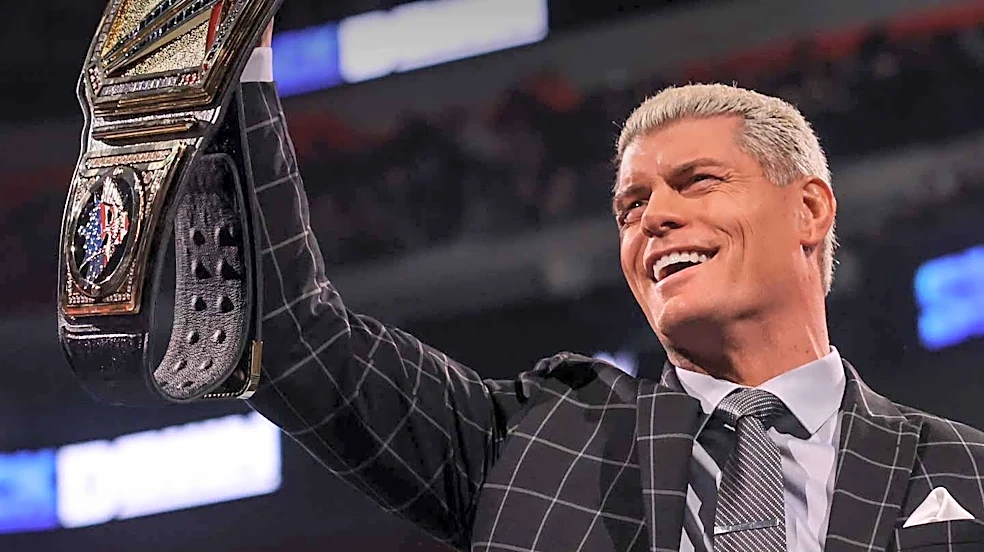
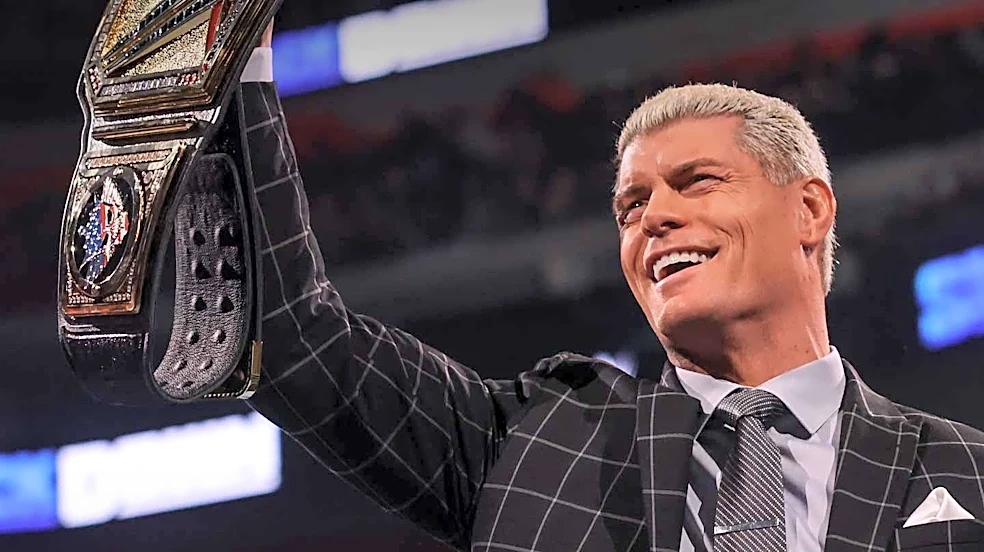
Cody Rhodes, a prominent figure in WWE, has shared his perspective on the dynamics of professional wrestling, particularly regarding established wrestlers 'letting go' of their top spots. Speaking to Andrew Schulz, Rhodes claimed that approximately 99.9%
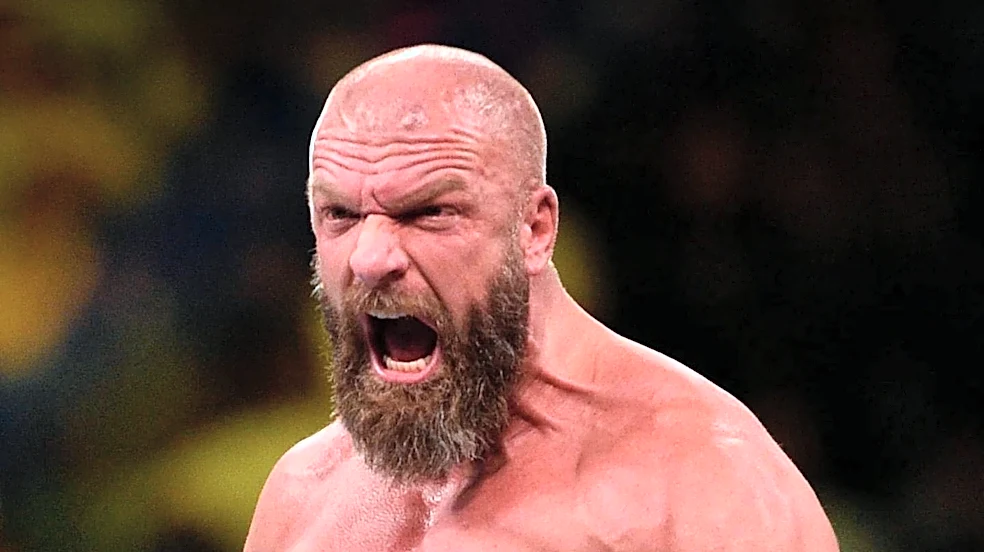
of wrestlers are unwilling to cede their position. He distinguished between simply losing a match ('doing the job') and genuinely elevating another performer ('doing the honors'). Rhodes highlighted John Cena as an exemplary figure in this regard, noting that Cena dedicated an entire year to elevating multiple wrestlers during his farewell tour, rather than focusing solely on himself or a single successor. Rhodes also mentioned Triple H and The Undertaker as other veterans who effectively put over new talent. He acknowledged that a degree of selfishness is natural for wrestlers who have worked hard to reach the top, making it difficult for them to step aside.
Why It's Important?
Rhodes' comments shed light on a significant, often unspoken, aspect of the professional wrestling industry: the transition of power and the elevation of new stars. This process is crucial for the long-term health and evolution of wrestling promotions like WWE. When established stars are reluctant to 'pass the torch,' it can hinder the development of fresh talent and potentially lead to stagnation in storylines and character development. Conversely, when veterans like John Cena actively work to elevate others, it creates new main event attractions and ensures the continuity of fan engagement. This dynamic impacts not only the on-screen product but also the business model of wrestling, as new stars drive merchandise sales, viewership, and live event attendance. The willingness of top performers to embrace this role is vital for maintaining a vibrant and compelling product for audiences and securing the industry's future.
What's Next?
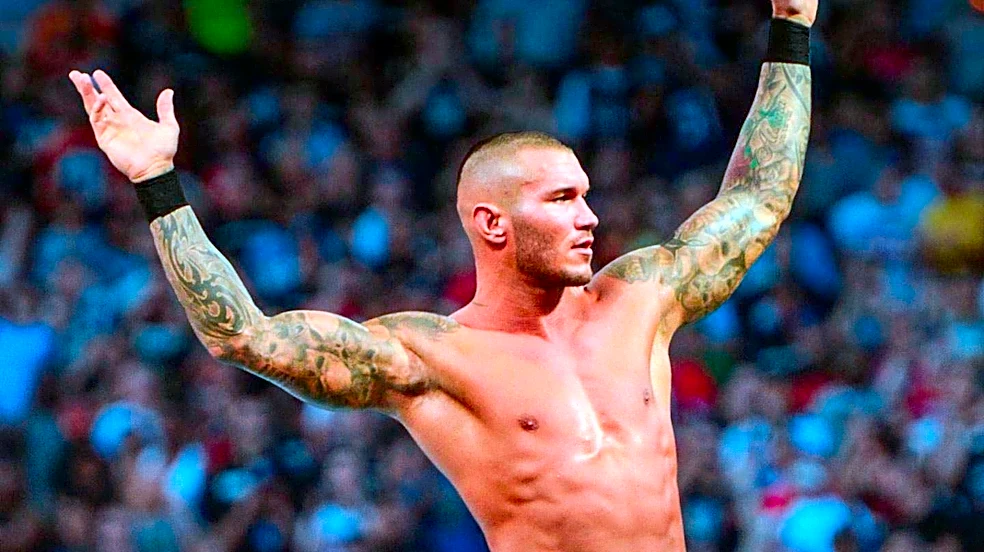
Cody Rhodes himself is currently a central figure in WWE, having taken the top spot from Roman Reigns at WrestleMania 40 and holding the Undisputed WWE Championship. His ongoing presence on SmackDown and his feud with Randy Orton indicate his continued prominence. His remarks suggest a potential future where he, too, will face the decision of how to best 'do the honors' for the next generation of wrestlers. The discussion around wrestlers' willingness to step aside may influence how future storylines are crafted, with a greater emphasis on meaningful transitions and the strategic elevation of emerging talent. This could lead to more compelling narratives that reflect the real-world challenges and decisions faced by top-tier performers in the industry.
Beyond the Headlines
Beyond the immediate implications for WWE storylines, Rhodes' observations touch upon broader themes of legacy, mentorship, and the nature of competition in performance-based industries. The 'selfishness' he describes is a human element present in many fields where individuals strive for peak performance and recognition. The act of 'doing the honors' can be seen as a form of professional altruism, where an individual prioritizes the collective good of the industry over personal glory. This concept extends beyond wrestling, resonating in sports, entertainment, and even corporate environments where leadership transitions and the development of successors are critical. The challenge lies in balancing individual ambition with the responsibility to foster new talent and ensure the continued success of the enterprise.