


What's Happening?
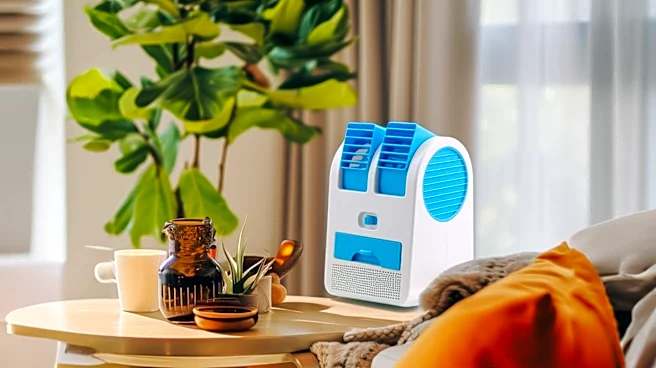
As summer heat intensifies, many homes, especially older ones, lack central air conditioning, prompting the need for alternative cooling methods. The article outlines several strategies to keep homes cool without relying on air conditioning. These include
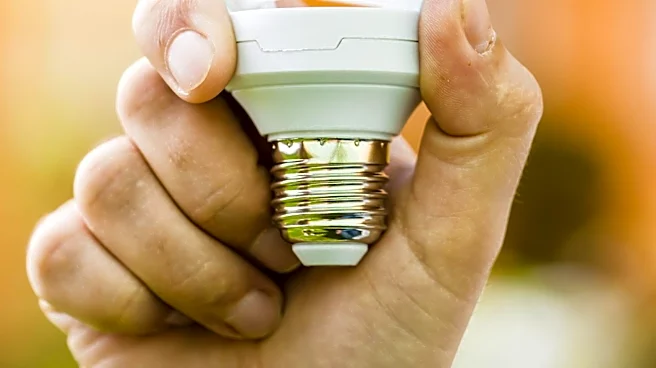
using LED bulbs instead of incandescent ones to reduce heat, turning off electronics when not in use, and scheduling heat-generating activities like cooking and laundry during cooler parts of the day. The use of whole-house fans or attic ventilation fans is also recommended to improve airflow and reduce indoor temperatures. These methods are particularly useful during heatwaves when air conditioning can strain electrical grids and increase utility bills.
Why It's Important?
The significance of these cooling strategies lies in their potential to reduce energy consumption and alleviate pressure on electrical grids during peak demand periods. By adopting these methods, households can lower their energy bills and contribute to environmental sustainability. This is especially important in regions prone to heatwaves, where air conditioning is not always feasible or available. The strategies also offer a practical solution for those looking to minimize their carbon footprint and promote energy efficiency. Additionally, they provide a way to maintain comfort in homes without the financial burden of high electricity costs.
What's Next?
Homeowners and renters can begin implementing these strategies immediately to prepare for future heatwaves. As awareness of energy efficiency grows, there may be increased interest in home improvements that enhance natural cooling, such as installing exterior shades or upgrading insulation. Policymakers and energy companies might also promote these methods as part of broader energy conservation initiatives. In the long term, these practices could lead to a shift in how homes are designed and built, with a greater emphasis on passive cooling techniques.