


What's Happening?
The first round of the WNBA playoffs has set a new viewership record, averaging 1.3 million viewers across 10 games broadcast on ESPN, Prime Video, and USA Network. This marks the most-watched opening round in the league's history. The viewership represents
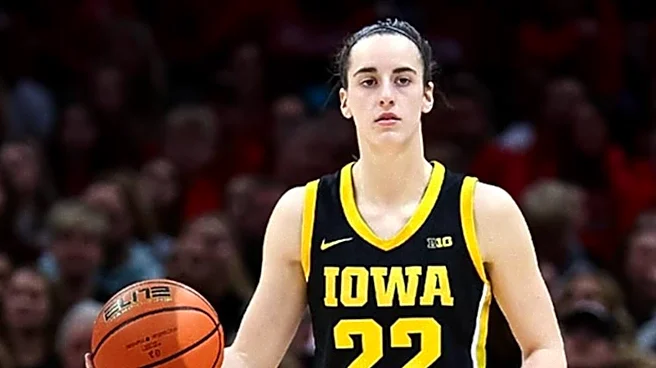
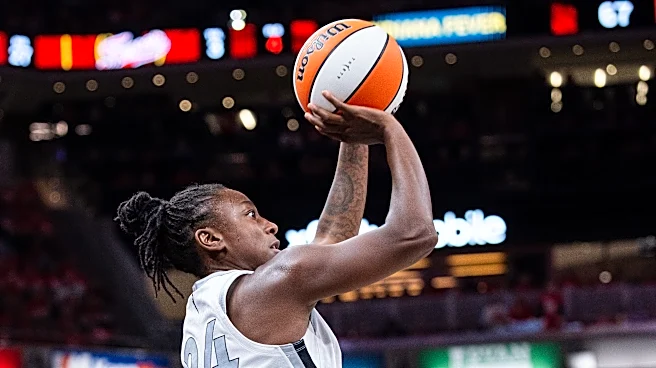
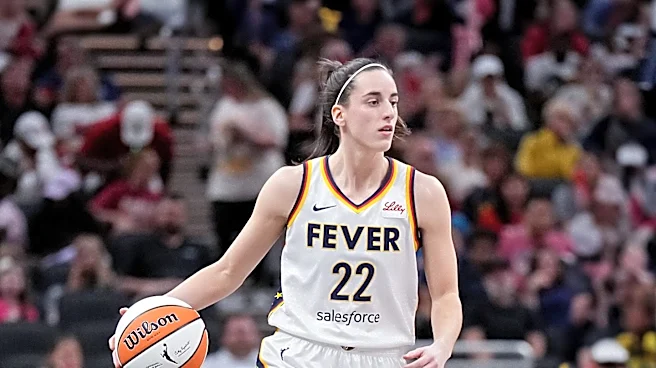
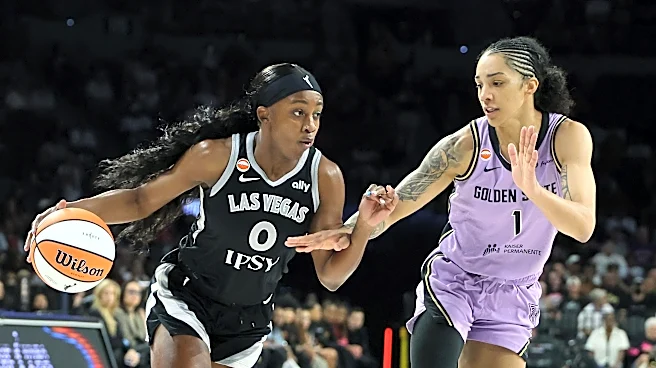
a 37% increase compared to the previous year, which saw an average of 944,000 viewers over 11 games. It also surpasses the 2024 record by 17%, when the first round averaged 1.1 million viewers over eight games, a season that included Caitlin Clark's rookie playoff debut. The most-watched game of the recent first round was the do-or-die Game 3 between the Las Vegas Aces and Indiana Fever, which attracted 2.3 million viewers. This game was the second-most-watched first-round game ever, trailing only Game 2 of the 2024 series between the Fever and Connecticut Sun, which garnered 2.5 million viewers. These record-breaking playoff numbers follow a strong regular season for the WNBA, which also experienced continued viewership growth across its broadcast partners, with ESPN seeing a 17% increase and CBS a 9% increase.
Why It's Important?
The record-breaking viewership for the WNBA playoffs' first round signifies a substantial increase in public interest and engagement with women's professional basketball in the U.S. This surge in viewership, particularly the 37% increase from the previous year, demonstrates the growing marketability and appeal of the league. The strong ratings are especially significant as they coincide with the league's first playoffs under a new media rights deal valued at over $3 billion. This new deal diversifies broadcast partners, including ESPN, Amazon, NBC, and Versant, which could further expand the league's reach and revenue streams. The increased viewership validates the investments made by these media partners and suggests a positive return on their commitment to the WNBA. For the league, higher viewership translates to greater advertising revenue, increased sponsorship opportunities, and potentially more lucrative future media rights deals, all of which contribute to the financial stability and growth of the WNBA and its players. The sustained growth, even after the elimination of high-profile players like Caitlin Clark, indicates a broader appeal beyond individual stars, suggesting a growing loyal fanbase for the league as a whole.
What's Next?
The WNBA will likely continue to leverage this momentum to further expand its audience and commercial opportunities. With the playoffs progressing, the league and its broadcast partners will be closely monitoring viewership for subsequent rounds, particularly the semifinals and finals, to assess the sustained impact of this increased interest. The success of the first round under the new media rights deal could influence future negotiations and partnerships, potentially attracting more advertisers and sponsors. The league may also explore strategies to capitalize on the diverse viewership across its multiple broadcast platforms, optimizing content delivery and promotional efforts. Furthermore, the strong performance could encourage teams to invest more in marketing and fan engagement, as evidenced by discussions around attendance figures and the impact of star players. The league will also need to address logistical considerations, such as arena capacities and ticket sales strategies, to accommodate growing fan demand, as highlighted by the Atlanta Dream's decision to initially limit seating for their playoff games.
Beyond the Headlines
The record WNBA playoff viewership reflects a broader cultural shift in the U.S. regarding women's sports. This sustained growth indicates that women's basketball is increasingly being recognized not just for its athletic merit but also as a significant entertainment product capable of drawing large audiences. The discussion surrounding the impact of individual players like Caitlin Clark on attendance and viewership, while important, also underscores the league's evolving narrative. The ability of the WNBA to maintain high viewership even after the elimination of a major draw suggests a deepening connection between fans and the league as a whole, rather than solely relying on individual star power. This trend could lead to increased investment in women's sports across various disciplines, challenging traditional perceptions and fostering greater equity in sports media coverage and financial backing. The diversification of media partners also signals a changing landscape in sports broadcasting, with streaming services like Amazon Prime Video playing an increasingly vital role in delivering live sports content to a wider audience, potentially setting a precedent for other leagues.