








What's Happening?
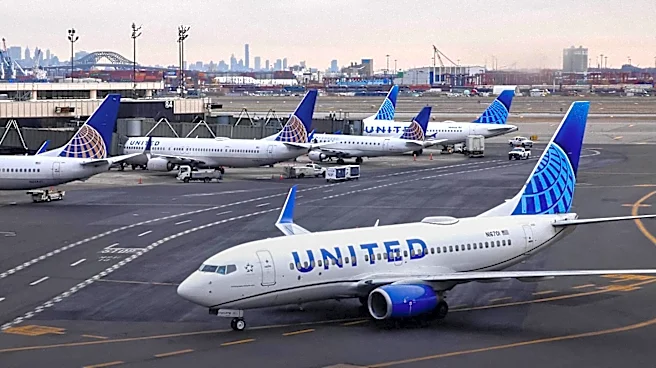
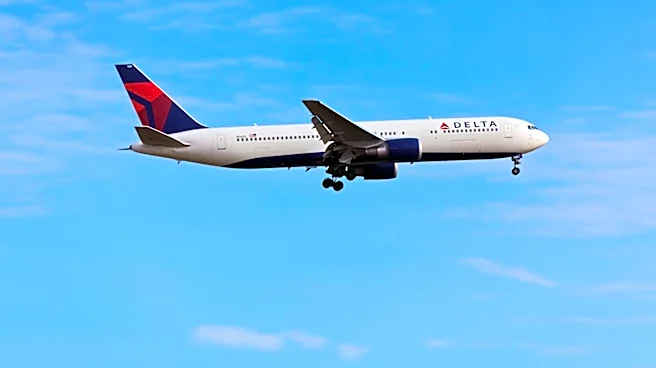
American Airlines, Delta Air Lines, United Airlines, and other prominent U.S. carriers are confronting new class-action lawsuits. These legal challenges allege that the airlines, in conjunction with ATPCO and its subsidiary 3Victors, are engaging in anti-competitive
practices by sharing sensitive pricing and shopping data. The lawsuits, filed in Washington and Virginia, contend that this data exchange allows airlines to coordinate pricing and suppress competition, leading to higher airfares for consumers. The core of the dispute revolves around products like Iris, PriceEye, and DemandView, which aggregate flight shopping data, compare competitor offers, and identify traveler demand before bookings occur. While airlines typically monitor competitor pricing, the lawsuits argue that pooling this information through a common platform constitutes an unlawful suppression of competition, moving beyond legitimate business practices.
Why It's Important?
These lawsuits carry significant implications for the U.S. airline industry and consumers. If the allegations of collusion are proven, it could lead to substantial financial penalties for the airlines and potentially force a restructuring of how they manage and share market data. For consumers, a successful lawsuit could result in lower airfares due to increased competition, as airlines would be less able to anticipate and match competitor discounts. The outcome will also set a precedent for data sharing practices across industries, particularly concerning commercially sensitive information that could influence market dynamics. The cases highlight a tension between airlines' desire for efficient revenue management and the public's interest in a competitive marketplace, where independent pricing decisions drive down costs.
What's Next?
The lawsuits are expected to proceed into discovery, where plaintiffs will seek evidence from contracts and internal communications to substantiate their claims of unlawful data exchange and anti-competitive behavior. The legal process will scrutinize the exact nature of the information shared, its currency, and its impact on independent pricing decisions. The airlines will likely argue that these tools are for legitimate revenue management and market analysis, not collusion. The outcome of these cases could either affirm the current data-sharing practices as lawful or lead to significant changes in how U.S. airlines operate, potentially resulting in court-ordered injunctions or settlements that reshape pricing strategies and data transparency within the industry.
Beyond the Headlines
Beyond the immediate legal and financial ramifications, these lawsuits touch upon the broader ethical and economic considerations of data utilization in highly concentrated industries. The ability of companies to collect and analyze vast amounts of consumer data, even before a purchase is made, raises questions about market transparency and fairness. If airlines can predict and react to competitor pricing almost instantaneously, it could disincentivize aggressive price competition, leading to a less dynamic market. This scenario could shift the focus from competing for customers through lower prices to optimizing revenue through coordinated pricing, potentially eroding consumer trust and necessitating greater regulatory oversight of data-sharing agreements in critical sectors.