







What's Happening?
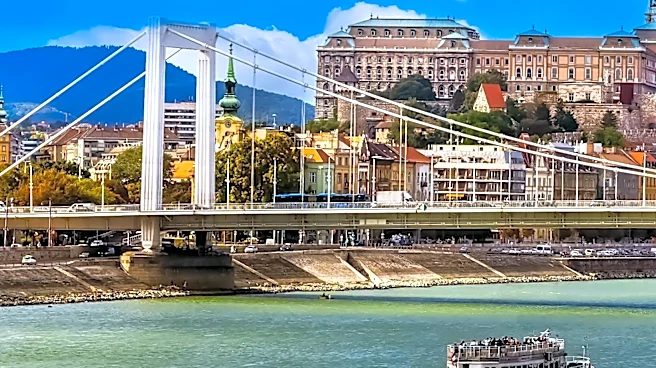
Budapest is increasingly recognized as a prime destination for digital nomads, individuals who work remotely while traveling. The city's appeal stems from its combination of historical grandeur, vibrant café culture, diverse cultural events, and affordable
public transportation. Entrepreneurs like Lexi Vindisch have chosen Budapest over North American cities to operate their businesses remotely, citing the city's unique atmosphere and well-developed infrastructure for remote work. Hungary ranks fifth globally for digital nomads, according to a 2025 VisaGuide index, which evaluates factors such as taxes, income, and cost of living. The country also offers a 'White Card' scheme, providing one- or two-year residency permits for non-EU digital nomads who meet a minimum net monthly income requirement of 3,000 euros ($3,370). The city boasts approximately 35 co-working spaces in its central area, with several located in the bustling District VI, near the Jewish Quarter, alongside numerous serviced offices from providers like Regus and DBH Flex.
Why It's Important?
The rise of Budapest as a digital nomad hotspot signifies a broader global trend towards remote work and location independence, accelerated by the COVID-19 pandemic. This shift impacts urban economies, real estate markets, and local service industries, as a new demographic of temporary residents contributes to local spending and cultural exchange. For Hungary, attracting digital nomads can boost its service sector, particularly in hospitality, co-working spaces, and local businesses. It also positions Budapest as a modern, dynamic European capital capable of drawing international talent and investment. The availability of specific visa programs, like Hungary's White Card, highlights how governments are adapting policies to capitalize on this growing workforce segment, potentially influencing other nations to develop similar initiatives to attract remote workers and their economic contributions.
What's Next?
The digital nomad trend in Budapest is expected to continue its growth trajectory. Co-working spaces like Kaptar and Liftoff have seen significant increases in membership since the pandemic, with many nomads extending their stays from months to a year. The increasing accessibility of tools like AI, which enable individuals to launch businesses without extensive corporate resources, is anticipated to further fuel this movement. This suggests a future where more individuals will opt for location-independent careers, moving away from traditional corporate structures. Budapest's continued investment in infrastructure, cultural offerings, and supportive visa policies will be crucial in maintaining its competitive edge as a top destination for this evolving workforce. The city may also see further development in specialized services catering to digital nomads, such as housing, networking events, and community-building initiatives.
Beyond the Headlines
The phenomenon of digital nomadism, exemplified by Budapest's growing popularity, represents a significant cultural and economic shift beyond just remote work. It challenges traditional notions of citizenship, work-life balance, and urban development. The influx of international remote workers can lead to a more diverse and cosmopolitan urban environment, fostering cross-cultural collaboration and innovation. However, it also raises questions about gentrification, the impact on local housing markets, and the integration of transient populations into established communities. The 'digital nation' concept, where individuals operate across borders without fixed residency, could reshape international labor laws, taxation policies, and social welfare systems in the long term. This movement underscores a broader societal re-evaluation of how and where work is performed, potentially leading to more flexible and globally interconnected professional landscapes.