






What's Happening?
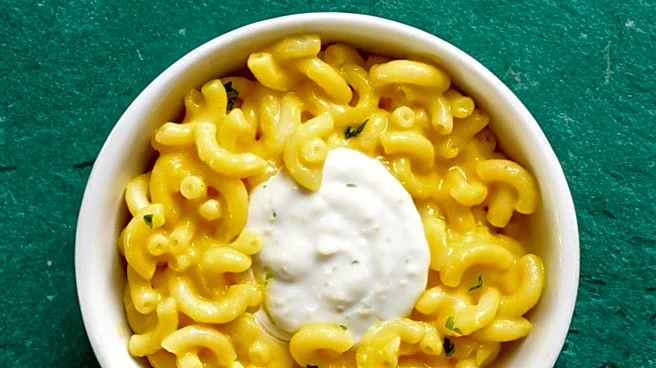
Dietitians are recommending the addition of ricotta cheese to pasta dishes as a simple and effective way to boost protein content and overall nutritional value. According to sports dietitian Roxana Ehsani, MS, RD, CSSD, incorporating a half-cup of part-skim
ricotta can add approximately 14 grams of protein, along with other beneficial nutrients. This practice not only makes pasta more filling and satisfying but also helps regulate blood sugar levels by slowing down the digestion and absorption of carbohydrates. Ricotta is also noted for its lower sodium content compared to many other cheeses, making it a suitable option for individuals managing high blood pressure or diabetes. Beyond protein, a half-cup serving of ricotta provides 337 mg of calcium, 15% of the daily value for vitamin B12, and 15% of the daily value for vitamin A, contributing to bone health, red blood cell formation, a healthy nervous system, eye health, and immune function.
Why It's Important?
This dietary recommendation is important for U.S. consumers seeking to improve the nutritional profile of a common meal like pasta, which is often carbohydrate-heavy. By increasing protein and nutrient intake, individuals can experience greater satiety, potentially leading to reduced overall pasta consumption and better weight management. The emphasis on blood sugar regulation is particularly significant for the growing number of Americans with diabetes or pre-diabetes, offering a practical way to mitigate post-meal glucose spikes. Furthermore, the lower sodium content of ricotta provides a healthier alternative for those monitoring their sodium intake due to cardiovascular concerns. The added calcium, vitamin B12, and vitamin A address common nutritional gaps, supporting bone density, neurological health, and immune function, which are crucial for public health across various age groups.
What's Next?
Consumers are likely to see an increased awareness and adoption of ricotta as a nutritional enhancer in home cooking. Food manufacturers and recipe developers may begin to feature ricotta more prominently in pasta-related products and recipes, highlighting its health benefits. Dietitians and health professionals will continue to advocate for balanced meals, and this specific recommendation for pasta could become a more widely recognized strategy for improving dietary quality. Educational campaigns might emerge to inform the public about the benefits of incorporating protein and other nutrients into carbohydrate-rich meals, potentially leading to a shift in how Americans approach their pasta consumption. The trend could also extend to other dairy products like cottage cheese or Greek yogurt, which are also suggested as protein-boosting alternatives.
Beyond the Headlines
The recommendation to add ricotta to pasta reflects a broader trend in nutritional science focusing on meal composition and its impact on satiety and metabolic health. It underscores the idea that even comfort foods can be optimized for better health outcomes without sacrificing taste. This approach moves beyond simply restricting certain foods and instead promotes intelligent food pairing to maximize nutritional benefits. The emphasis on protein and fiber for blood sugar control highlights a growing understanding of how macronutrients interact within the body. This shift in dietary advice could empower individuals to make more informed choices about their meals, fostering a more proactive approach to health management through everyday eating habits, and potentially influencing the demand for nutrient-dense ingredients in the food market.