






What's Happening?
Dietitians are emphasizing the benefits of incorporating more plant-based foods into daily diets to support overall health and combat chronic diseases. Julie Andrews, M.S., R.D.N., founder of thehealthyepicurean.com, highlights that foods like fruits,
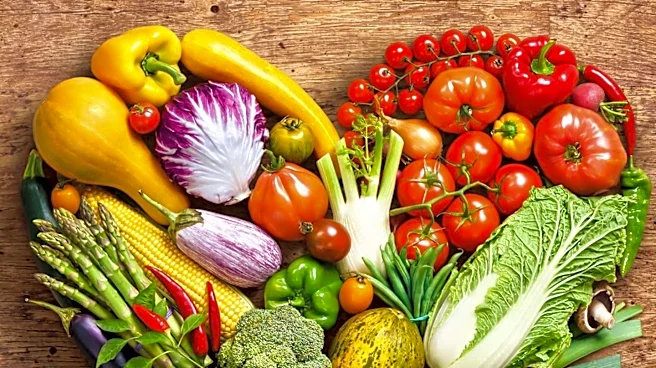
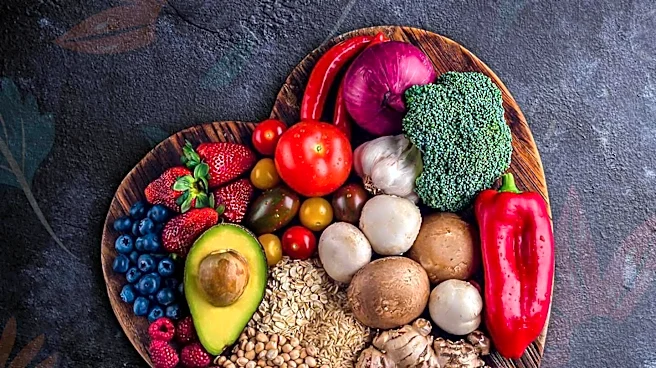
vegetables, beans, lentils, whole grains, nuts, seeds, and plant-based proteins such as tofu provide essential fiber, vitamins, minerals, and beneficial plant compounds. These nutrients contribute to improved digestion, a balanced gut microbiome, strong immunity, heart health, and cognitive function. The advice is not to completely overhaul one's diet to become vegetarian or vegan, but rather to find simple ways to increase plant consumption. This approach allows individuals to reap significant health benefits without strict dietary restrictions, making it accessible for meat-eaters as well. The focus is on variety, as different plant foods offer diverse nutrients crucial for comprehensive health.
Why It's Important?
This guidance is important for public health in the U.S. as it addresses the rising prevalence of chronic diseases like heart disease and diabetes, which are often linked to dietary habits. By promoting increased plant-based food intake, dietitians are offering a practical strategy to improve health outcomes across the population. The emphasis on gradual integration rather than radical dietary changes makes this advice more achievable for a wider audience, potentially leading to broader health improvements. For the healthcare industry, this could mean a reduced burden from diet-related illnesses. For consumers, it offers actionable steps to enhance their well-being and potentially extend their healthy lifespan. The focus on diverse plant foods also ensures a comprehensive nutrient intake, countering potential deficiencies that might arise from restrictive diets.
What's Next?
Consumers can expect to see more recipes and dietary recommendations focusing on easy ways to integrate plant-based foods into meals. Dietitians and health organizations will likely continue to promote these flexible approaches to healthy eating. Examples include using bean puree as a base for proteins, substituting half of the ground meat in dishes with plants like mushrooms or lentils, adding 'riced' cauliflower to rice, and incorporating tempeh into tacos. These practical tips aim to make plant-based eating more approachable and sustainable for individuals. The ongoing emphasis on variety and nutrient density in plant foods will also guide future dietary advice, encouraging people to explore a wider range of fruits, vegetables, and plant proteins.
Beyond the Headlines
The promotion of increased plant-based eating extends beyond individual health benefits, touching upon broader societal and environmental implications. A shift towards more plant-rich diets could contribute to greater food sustainability and a reduced environmental footprint associated with food production. Ethically, it encourages a more mindful approach to consumption, considering the origins and impact of food choices. Culturally, it challenges traditional dietary norms that heavily rely on meat, fostering a more diverse and inclusive culinary landscape. This movement could also spur innovation in the food industry, leading to more accessible and appealing plant-based products. Ultimately, this dietary shift represents a subtle but significant cultural evolution towards healthier and more sustainable living.