




What's Happening?
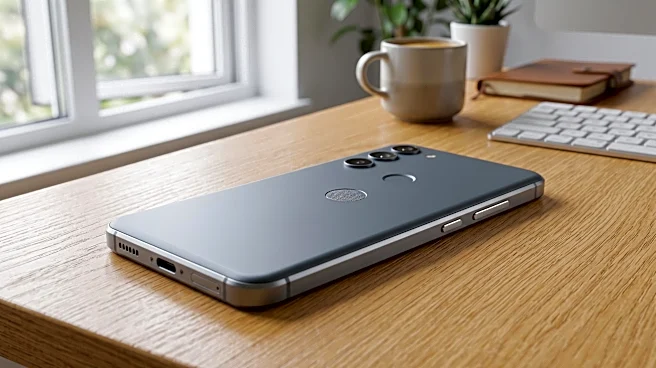
Customers who pre-ordered the Trump T1 smartphone, unveiled by Donald Trump Jr. and Eric Trump in June 2025, are now receiving their devices after months of delays. The $499 phone, marketed as an American-made alternative to major brands and 'designed
with American values in mind,' is drawing criticism. Early online reviews highlight several issues, including a perceived cheap feel, a malfunctioning fingerprint sensor reported by Snazzy Labs, and a camera quality compared to early iPhones. A significant complaint centers on the American flag printed on the phone's box, which features 11 stripes instead of the standard 13. Furthermore, buyers and tech channels like Linus Tech Tips and NBC News, in collaboration with iFixit, have noted striking similarities between the T1 and the 2024 HTC U24 Pro, even managing to swap motherboards between the two devices. The packaging states 'Assembled in America,' a distinction from 'Made in America,' which requires 'all or virtually all' components and manufacturing to be U.S.-based, according to BBB National Programs.
Why It's Important?
The controversy surrounding the Trump T1 smartphone's origin and quality has significant implications for consumer trust and product marketing standards in the U.S. The discrepancy between the initial 'American-made' promise and the 'Assembled in America' label on the packaging raises questions about transparency in product sourcing and manufacturing claims. This situation could influence how consumers perceive products marketed with patriotic themes, potentially leading to increased scrutiny of 'Made in USA' or 'Assembled in USA' claims across various industries. For Trump Mobile, the negative reviews and questions about the phone's origins could damage its brand reputation and future sales prospects. Furthermore, the involvement of Senator Mark Warner, who raised concerns about the phone's manufacturing and pre-order fulfillment, underscores the potential for regulatory oversight and consumer protection actions in response to such product controversies.
What's Next?
The immediate future for Trump Mobile likely involves addressing the growing customer dissatisfaction and the concerns raised by Senator Mark Warner. It remains unclear whether Trump Mobile has responded to Senator Warner's letter, which requested answers by May 25, 2026, regarding the phone's manufacturing origins and pre-order fulfillment. The company may face pressure to clarify its manufacturing processes, component sourcing, and the reasons behind the discrepancies noted by reviewers and tech experts. Consumers who pre-ordered the phone may seek refunds or further explanations if their expectations are not met. Depending on the company's response and any further investigations, there could be implications for consumer protection regulations regarding product origin claims. The ongoing scrutiny from tech channels and media outlets will likely continue to shape public perception of the Trump T1 smartphone.
Beyond the Headlines
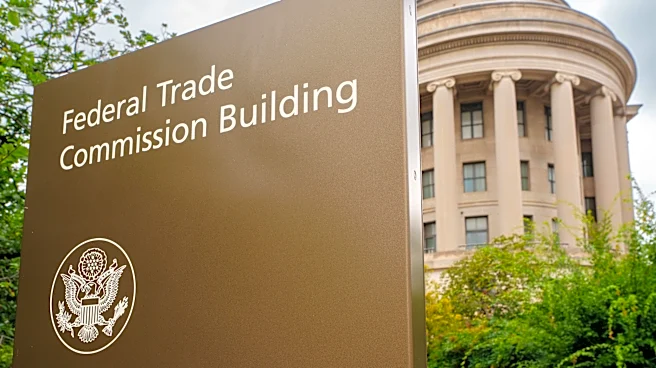
The issues surrounding the Trump T1 smartphone extend beyond immediate product complaints, touching upon broader themes of national identity in commerce and the nuances of 'Made in America' labeling. The use of patriotic imagery, such as the American flag (albeit with an incorrect number of stripes), to market a product whose origins are questioned, highlights the complex interplay between branding, national sentiment, and consumer expectations. This situation could prompt a deeper conversation about the ethical responsibilities of companies that leverage nationalistic appeals in their marketing, especially when product claims are later challenged. Legally, the distinction between 'Made in America' and 'Assembled in America' is critical, and this case may bring increased attention to the Federal Trade Commission's guidelines and enforcement in this area. Culturally, it reflects a consumer base increasingly aware of global supply chains and less willing to accept superficial claims without scrutiny, potentially fostering a more discerning market for products marketed with nationalistic pride.