
What's Happening?
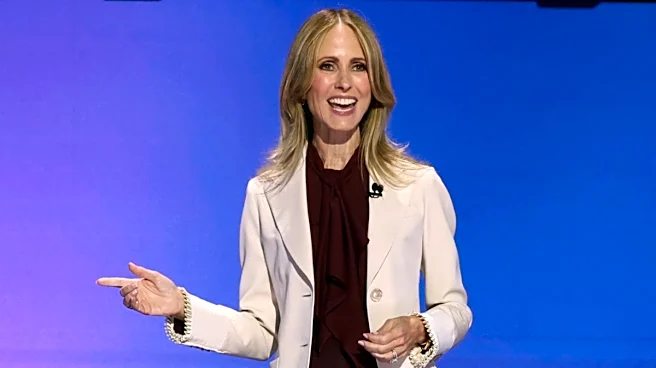
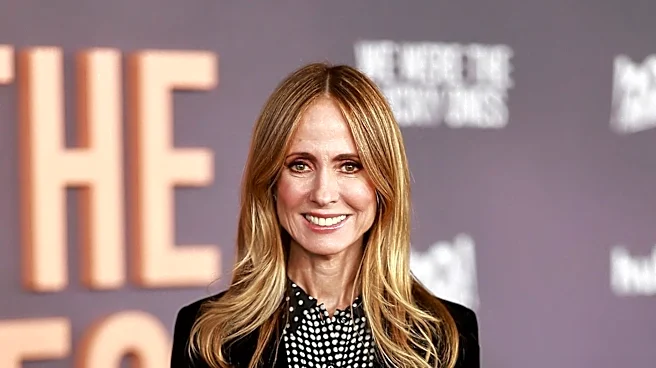
Dana Walden, President and Chief Creative Officer of The Walt Disney Company, described recent layoffs as 'extremely painful' during a Bloomberg interview. These layoffs represent the third round within
the past year, with the most recent affecting hundreds of employees primarily in HR and technology departments. The reductions are part of ongoing efforts by Disney CEO Josh D’Amaro to cut costs and restructure the company. Walden acknowledged the difficulty of letting go of colleagues, some of whom she had worked with for nearly her entire career. She also mentioned that the latest round included a voluntary retirement program, offering long-tenured executives the opportunity to make their own decisions about leaving or staying. When asked about the possibility of future layoffs, Walden indicated that in the entertainment industry, such restructuring is an ongoing necessity.
Why It's Important?
These layoffs at The Walt Disney Company signify a significant strategic shift within one of the world's largest entertainment conglomerates. The continuous restructuring reflects a broader industry trend where established media companies are adapting to evolving market dynamics, including the rise of streaming services and increased competition. The focus on cost-cutting, particularly in HR and tech, suggests an emphasis on operational efficiency and potentially a move towards more streamlined, technology-driven processes. The 'painful' nature of these decisions, as described by Walden, highlights the human impact of corporate restructuring, affecting not only the employees directly involved but also potentially impacting morale across the organization. This situation could influence how other major U.S. corporations approach workforce management and cost optimization in a rapidly changing economic and technological landscape.
What's Next?
Walden's statement that restructuring and potential layoffs are an ongoing reality in the industry suggests that The Walt Disney Company will continue to evaluate its organizational structure and workforce needs. This could lead to further adjustments in staffing and departmental configurations in the future. The company's emphasis on adapting to technological advancements, possibly including artificial intelligence, indicates a strategic direction towards innovation and efficiency. Stakeholders, including employees, investors, and industry observers, will likely monitor Disney's financial performance and future announcements for signs of stability or further changes. The company's ability to navigate these transitions while maintaining its creative output and market position will be a key indicator of its long-term success in a competitive entertainment environment.
Beyond the Headlines
The repeated rounds of layoffs at The Walt Disney Company, despite its status as a global entertainment leader, underscore the intense pressures facing traditional media giants in the digital age. This situation raises questions about the future of employment in large corporations, particularly as technology continues to automate and redefine job roles. The move towards voluntary retirement programs, while offering some agency to employees, also reflects a broader trend of companies seeking to manage workforce reductions with a degree of corporate social responsibility. Furthermore, Walden's hint at the increased use of AI within Disney suggests a profound shift in how creative and operational tasks might be performed, potentially leading to a redefinition of skills and roles required in the entertainment industry. This ongoing transformation could set precedents for other sectors grappling with similar challenges.