




What's Happening?
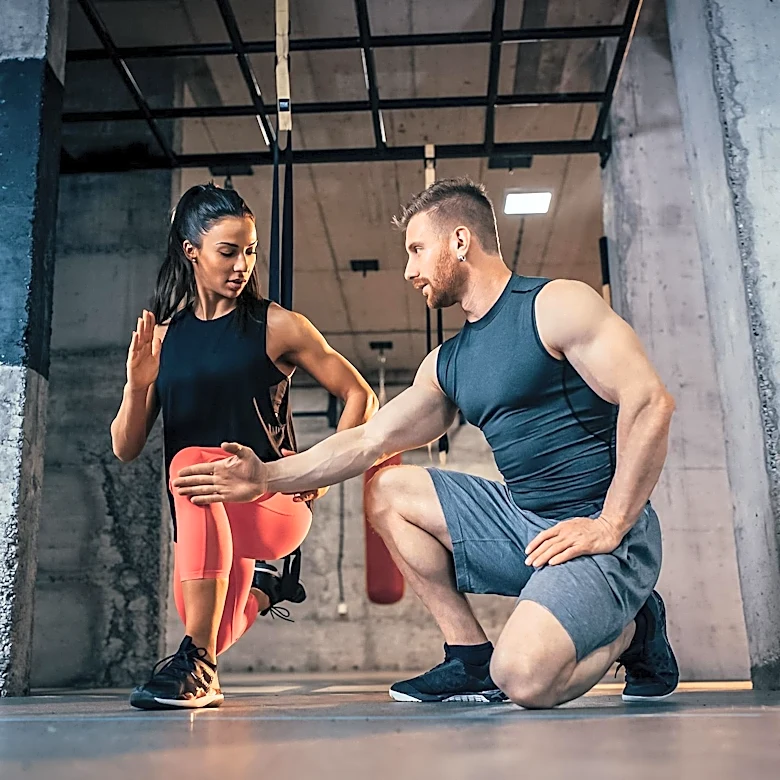
Adult figure skaters are being advised to adopt specific warm-up and stretching routines to enhance performance and reduce stiffness. The recommendation emphasizes movement-based warm-ups before stepping onto the ice, such as marching, jogging, leg swings,
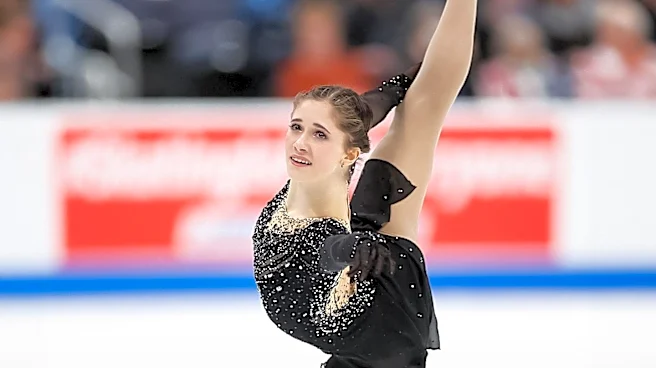
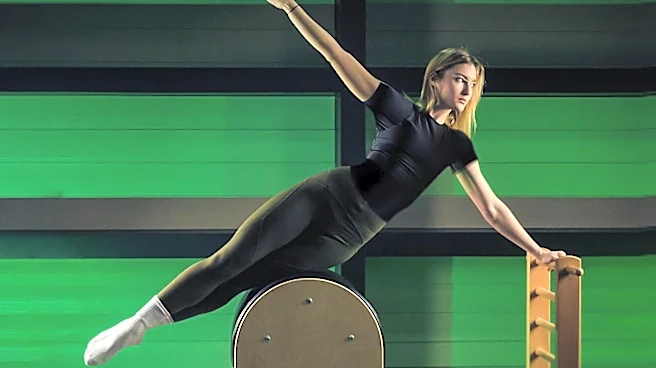
lunges, and arm circles. This approach aims to prepare the body by increasing warmth and mobility, rather than relying on static stretches on cold muscles. After skating, gentle, held stretches are recommended when muscles are warm, focusing on areas commonly affected by skating like calves, thighs, hips, lower back, and shoulders. These post-skating stretches should be performed without pain, holding each position gently and breathing normally. The advice highlights that stretching primarily improves joint range of motion and reduces stiffness, rather than reliably preventing injuries, for which warm-ups, strength building, and safe falling techniques are more crucial. The guidance also suggests that flexibility goals for adults should be realistic, focusing on positions like spirals and sit spins, rather than extreme flexibility often seen in professional skaters.
Why It's Important?
This guidance is important for the U.S. figure skating community, particularly adult participants, as it provides a structured approach to physical preparation and recovery. By distinguishing between warm-up and stretching, it helps skaters optimize their routines for better performance and comfort. The emphasis on movement-based warm-ups can lead to fewer instances of stiffness and potentially reduce the risk of minor strains during initial ice time. For adult skaters, who may have varying levels of physical conditioning and flexibility, understanding realistic flexibility goals can prevent overexertion and injury. This approach also promotes a more sustainable engagement in the sport by making sessions more comfortable and enjoyable. The advice to consult medical professionals for persistent pain or pre-existing conditions underscores a commitment to skater well-being, ensuring that individuals receive appropriate care and tailored routines.
What's Next?
Skaters are encouraged to integrate these recommended warm-up and stretching practices into their regular routines. This involves dedicating a few minutes before and after each skating session to these activities. Coaches and skating clubs may incorporate these guidelines into their training programs for adult skaters, potentially offering workshops or demonstrations on proper technique. Individuals experiencing persistent tightness or pain, or those with pre-existing medical conditions, are advised to consult with a doctor or physiotherapist to ensure their routines are appropriate and safe. The ongoing adoption of these practices could lead to a general improvement in the physical well-being and longevity of adult figure skaters in the U.S., fostering a healthier and more active community within the sport.
Beyond the Headlines
The distinction between warm-up and stretching, as highlighted in this advice, reflects a broader shift in sports science towards more dynamic preparation for physical activity. Historically, static stretching was often recommended as a pre-activity warm-up, but current understanding emphasizes dynamic movements to prepare muscles for action. This evolution in understanding has implications beyond figure skating, influencing training methodologies across various sports and fitness disciplines. For adult athletes, this nuanced approach is particularly significant, as their bodies may require more careful preparation and recovery compared to younger athletes. The focus on realistic goals also addresses the psychological aspect of adult sports participation, promoting self-acceptance and enjoyment over potentially harmful comparisons to elite athletes. This fosters a more inclusive and sustainable environment for adult engagement in physical activities.