


What's Happening?
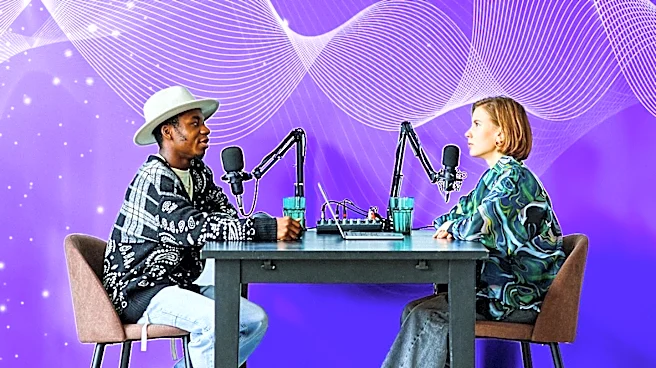
Producing a video podcast demands significantly more planning and attention to visual elements compared to an audio-only podcast. A video podcast, which is recorded and published with video alongside audio, is distributed on platforms like YouTube in addition
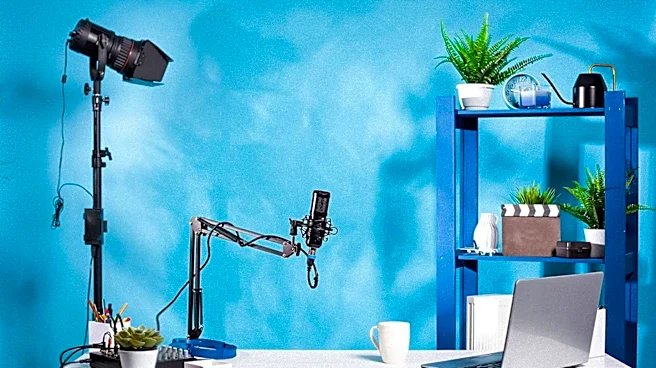
to standard audio podcast apps. This format allows for the creation of short-form clips suitable for platforms such as TikTok, Reels, and YouTube Shorts, which audio-only shows cannot effectively utilize. Key differences include the need for a multi-camera setup, good lighting, and consistent visual backgrounds. Unlike audio-only productions, video podcasts require dynamic editing with cutaways, angle changes, and visual pacing to maintain viewer engagement, as a static shot can quickly lose an audience even with compelling audio. Titles and thumbnails also play a more critical role in attracting viewers on video platforms like YouTube.
Why It's Important?
The increasing popularity of video podcasts signifies a significant shift in content consumption habits, particularly among younger demographics who are accustomed to visual-first platforms. For content creators, embracing video podcasts opens new avenues for audience growth and monetization, especially through short-form video clips that can go viral on social media. However, this transition also presents new challenges, requiring investments in video equipment, editing skills, and a deeper understanding of visual storytelling. Businesses and individuals looking to establish a strong online presence must adapt to these demands to remain competitive and relevant. The emphasis on visual pacing and engaging thumbnails highlights the evolving standards for digital content, where production quality and strategic presentation are crucial for capturing and retaining audience attention in a crowded media landscape.
What's Next?
As video podcasts continue to gain traction, creators will likely invest more in professional-grade equipment and advanced editing techniques to meet audience expectations. The demand for skilled video editors specializing in podcast content is expected to rise, as visual pacing and dynamic cuts become essential for viewer retention. Platforms like YouTube will continue to be primary growth engines for video podcasts, influencing content strategies to optimize for search and discoverability. Additionally, the integration of video podcasts into traditional audio platforms like Spotify and Apple Podcasts suggests a future where multi-modal content delivery becomes the norm, offering listeners the choice between audio and video formats. This trend will push creators to consider video from the initial planning stages, ensuring that their content is adaptable and engaging across various platforms and consumption preferences.
Beyond the Headlines
The rise of video podcasts reflects a broader cultural shift towards visual communication and immersive experiences. In an attention-scarce economy, visual engagement becomes a critical differentiator, transforming passive listening into active viewing. This evolution also blurs the lines between traditional podcasting, vlogging, and television, creating a hybrid media form that leverages the intimacy of audio with the dynamism of video. The need for visual pacing and strategic editing in video podcasts underscores the importance of storytelling beyond just spoken words, requiring creators to think cinematographically about their content. This could lead to new creative expressions and narrative structures within the podcasting space. Furthermore, the ability to repurpose video content into short-form clips for social media platforms highlights the interconnectedness of digital media ecosystems, where content is designed for maximum reach and adaptability across various channels, influencing how creators build and maintain their brand presence.