





What's Happening?
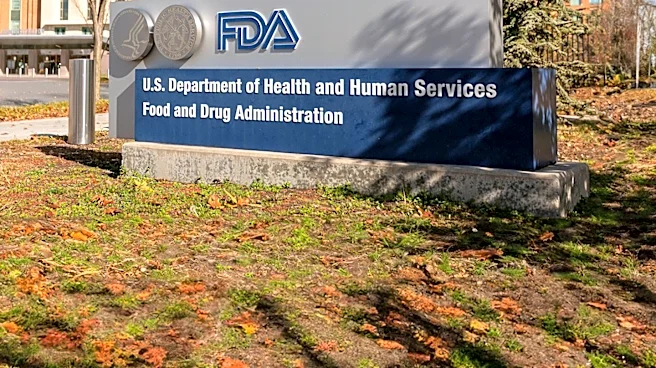
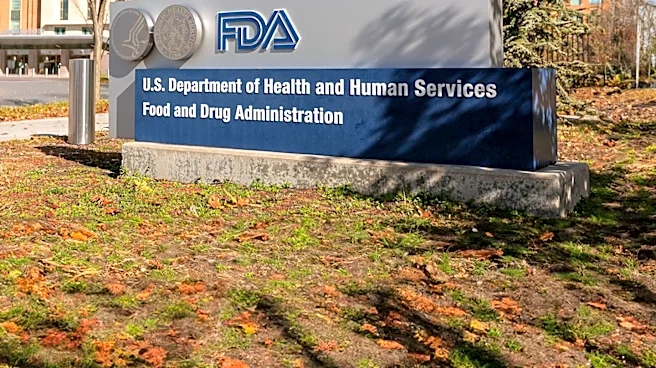
Vertex Pharmaceuticals announced that the U.S. Food and Drug Administration (FDA) has extended its review of the company's experimental kidney disease drug, povetacicept, by up to three months. The new target date for the FDA's decision is now February
28, 2027, a shift from the previously set date of November 30, 2026. This extension stems from an information request made by the FDA late in the review cycle, to which Vertex promptly responded. The agency classified the received information as a major amendment, indicating that additional time is required to complete its comprehensive review. Povetacicept is being developed to treat immunoglobulin A nephropathy (IgAN), a chronic kidney disease characterized by the accumulation of antibodies in the kidneys. Vertex acquired access to this drug through its $4.9 billion acquisition of Alpine Immune Sciences in 2024. The drug is designed to inhibit BAFF and APRIL, two immune-system proteins that contribute to the production of disease-causing antibodies.
Why It's Important?
The FDA's extension of the review period for povetacicept carries significant implications for Vertex Pharmaceuticals and patients awaiting new treatments for IgAN. For Vertex, the delay has already impacted investor confidence, as evidenced by a more than 6% drop in its shares during extended trading following the announcement. A prolonged review means a delay in potential market entry and revenue generation from a drug that represents a substantial investment, stemming from the $4.9 billion acquisition of Alpine Immune Sciences. For patients suffering from IgAN, a chronic and debilitating kidney disease, the delay means a longer wait for a potentially life-changing treatment. The disease currently has limited therapeutic options, and povetacicept's mechanism of action, targeting specific immune-system proteins, offers a novel approach to managing the condition. The outcome of this review will also set a precedent for future drug approvals in the chronic kidney disease space, influencing research and development strategies across the pharmaceutical industry.
What's Next?
Vertex Pharmaceuticals will now await the FDA's decision on povetacicept, which is expected no later than February 28, 2027. During this extended period, the FDA will thoroughly evaluate the additional information provided by Vertex to ensure the drug's safety and efficacy. The company will likely continue to engage with the FDA to address any further questions or requirements. The market will closely monitor any updates regarding the review process, as the approval or rejection of povetacicept will significantly impact Vertex's stock performance and future pipeline. If approved, povetacicept could become a crucial treatment option for IgAN patients, potentially altering the standard of care for this chronic kidney disease. Conversely, a rejection would necessitate a re-evaluation of Vertex's strategy for this drug and its broader IgAN portfolio.
Beyond the Headlines
The FDA's decision to extend the review period, classifying the submitted information as a 'major amendment,' highlights the rigorous and often complex nature of drug approval processes, especially for novel therapies targeting chronic conditions. This situation underscores the delicate balance the FDA must maintain between expediting access to potentially life-saving drugs and ensuring their safety and efficacy through comprehensive review. The delay also brings into focus the financial risks associated with pharmaceutical research and development, where significant investments in acquisitions and clinical trials can be subject to regulatory timelines and outcomes. Furthermore, the development of drugs like povetacicept, which target specific immune pathways, reflects a broader trend in medicine towards more personalized and targeted therapies for complex diseases, moving beyond symptomatic treatment to address underlying biological mechanisms. The eventual outcome will not only affect Vertex but also contribute to the evolving landscape of kidney disease treatment and pharmaceutical innovation.