




What's Happening?
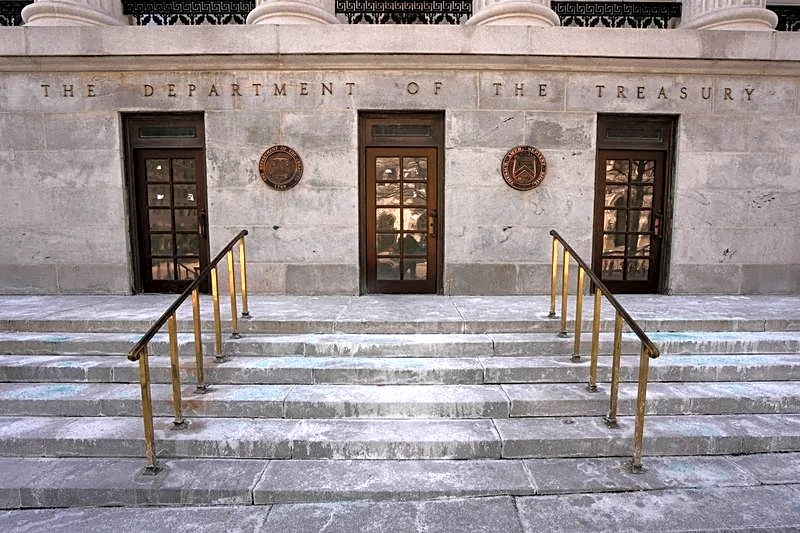
The U.S. Treasury Department's Financial Crimes Enforcement Network (FinCEN) has issued new FAQs clarifying how banks and credit unions can use state-issued mobile driver's licenses and other government-issued verifiable digital credentials for customer
identity verification when opening accounts. While this guidance provides a clearer role for digital credentials in bank onboarding processes, it explicitly states that accepting a government-issued digital credential does not automatically confirm a financial institution's knowledge of a customer's true identity. According to an article from Anderson Insights, a digital credential is defined as a data structure containing individual information, digitally signed by the issuer, cryptographically bound to a device, and protected by an activation factor, rather than just an image of an ID. Banks are still required to evaluate the credential, the verification process, and any indications of fraud, emphasizing that even government-issued digital IDs are not immune to fraud risks. The guidance permits, but does not mandate, the acceptance of digital credentials as a documentary method under the customer identification program rule.
Why It's Important?
This FinCEN guidance is crucial for the U.S. financial sector as it navigates the increasing adoption of digital identity solutions. By clarifying the responsibilities of banks and credit unions, it aims to prevent potential vulnerabilities to fraud while integrating new technologies. Financial institutions stand to gain from the streamlined onboarding processes that digital credentials can offer, potentially reducing operational costs and improving customer experience. However, they also bear the significant responsibility of implementing robust evaluation processes to detect fraudulent digital credentials. Failure to adequately assess these credentials could lead to substantial financial losses and regulatory penalties. This guidance underscores the ongoing challenge of balancing technological advancement with stringent security and compliance requirements in the financial industry, ensuring that the push for digital convenience does not compromise the integrity of identity verification.
What's Next?
Following FinCEN's guidance, financial institutions are expected to review and potentially update their customer identification programs and fraud detection protocols. This will likely involve enhancing their internal systems and training staff to effectively evaluate digital credentials and identify potential signs of fraud. Technology vendors providing onboarding solutions to banks and credit unions will also need to ensure their products align with FinCEN's expectations, clearly defining the scope of their verification tools and the types of credentials and jurisdictions supported. The NIST National Cybersecurity Center of Excellence (NCCoE) has also published initial public draft practice guidelines for financial institutions implementing mobile driver's licenses, indicating a broader regulatory and industry effort to standardize and secure the use of digital credentials. Future developments may include further regulatory clarifications or industry best practices as digital identity technologies evolve and their use becomes more widespread.
Beyond the Headlines
The FinCEN guidance highlights a broader societal shift towards digital identity and the complex challenges it presents, particularly in sectors handling sensitive financial data. While digital credentials offer convenience and efficiency, they also introduce new vectors for sophisticated fraud. The emphasis on continuous evaluation by financial institutions, even for government-issued credentials, reflects a recognition that no single form of identification is entirely foolproof in the digital age. This development could spur innovation in fraud detection technologies and identity assurance solutions, pushing for more dynamic and multi-layered verification methods. It also raises questions about the ultimate responsibility for identity verification in an increasingly digital world, where the line between issuer, verifier, and user responsibility can become blurred. The long-term implications could include a re-evaluation of traditional 'Know Your Customer' (KYC) frameworks to adapt to a landscape where digital identities are prevalent, potentially influencing privacy regulations and data security standards across various industries.