


What's Happening?
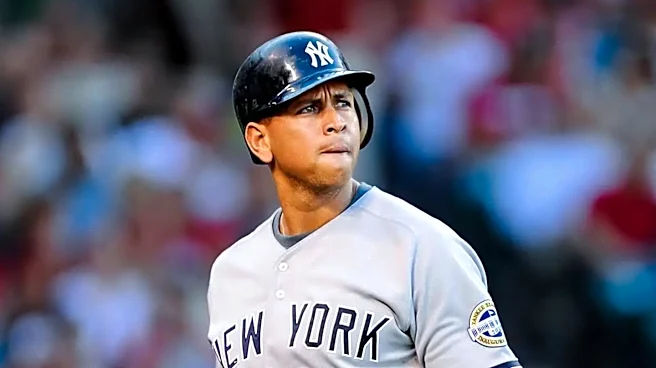
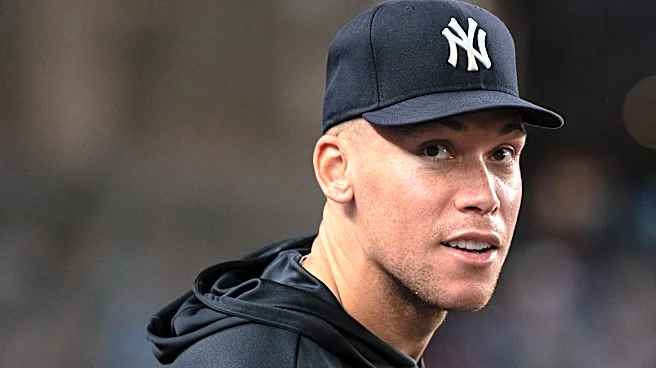
Alex Rodriguez, a former New York Yankees third baseman, has publicly stated he does not anticipate being honored by the Yankees, including having his No. 13 retired or receiving an annual invitation to Old-Timers' Day. This sentiment follows his acceptance
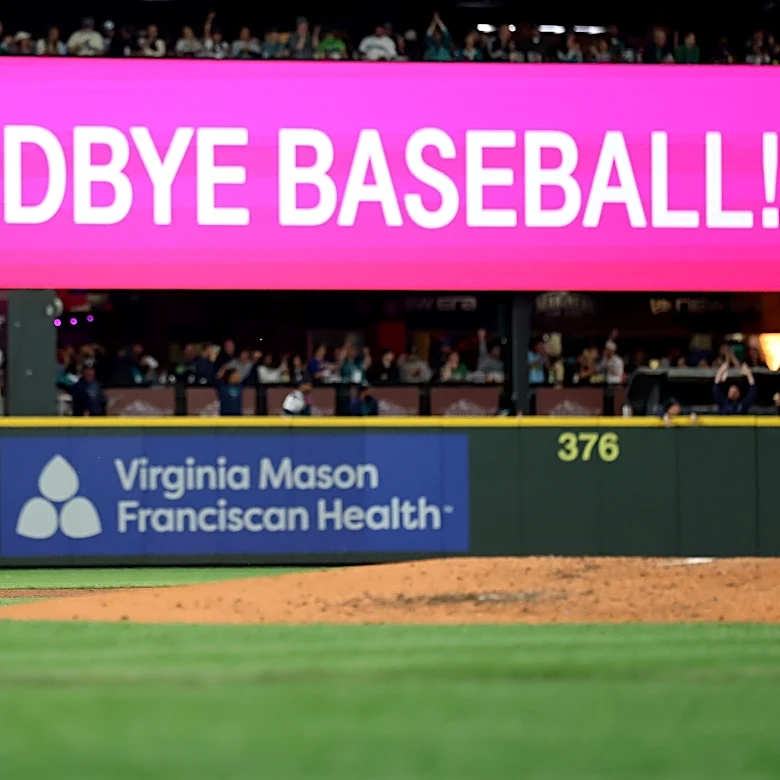
that he likely won't make the Baseball Hall of Fame. Rodriguez believes the Yankees' reluctance stems from his past as a controversial figure in New York baseball history, rather than his current role as a critical analyst on Fox. Despite winning two MVP awards and a World Series with the Yankees, and expressing his love for the team and its fans, he feels his relationship with the organization remains strained regarding formal recognition. He did attend Old-Timers' Day in 2024 for the 15th anniversary of the 2009 World Series and recently reconciled with the Seattle Mariners for their 50th-anniversary celebration, indicating a willingness to engage with former teams.
Why It's Important?
This situation highlights the complex legacy of athletes who achieve significant on-field success but also face controversy, particularly concerning performance-enhancing drugs. For the New York Yankees, a franchise with a rich history of honoring its stars, the decision not to retire Rodriguez's number or extend regular invitations to ceremonial events reflects a careful balancing act between celebrating achievements and upholding organizational values. It underscores the long-term impact of player conduct on their post-career relationship with their teams and fan base. The ongoing debate surrounding Rodriguez's place in baseball history, both with the Yankees and in the Hall of Fame, serves as a case study for how sports organizations and voters grapple with the 'character clause' and the public perception of their heroes. This also impacts how other teams might approach honoring players with similar controversial pasts, setting a precedent for future decisions.
What's Next?
While Rodriguez does not expect an invite, the possibility of future, less formal recognitions, such as a bobblehead night or occasional appearances, remains open. The passage of time often influences public and organizational sentiment, and as the controversy surrounding his career recedes further into the past, the Yankees might reconsider their stance. However, a full reconciliation, including the retirement of his number, appears unlikely in the near future given the deep-seated issues. The ongoing discussion will likely continue among fans and sports commentators, particularly as other players with controversial pasts approach eligibility for similar honors. Rodriguez's continued presence in media as an analyst also keeps his name in the public eye, potentially influencing future perceptions and discussions about his legacy.
Beyond the Headlines
The narrative surrounding Alex Rodriguez extends beyond individual achievements and controversies, touching upon broader themes of redemption, public forgiveness, and the evolving standards of sportsmanship in professional baseball. His situation reflects a societal struggle with how to acknowledge greatness when it is intertwined with ethical lapses. The Yankees' cautious approach, while perhaps frustrating for some fans, illustrates the commercial and reputational risks associated with fully embracing figures whose past actions have generated significant negative attention. This ongoing saga also subtly influences younger athletes, serving as a cautionary tale about the enduring consequences of choices made during their careers, and how those choices can shape their legacy long after they leave the field. It prompts a deeper reflection on what constitutes a 'hero' in modern sports and the criteria by which athletes are ultimately judged.