
What's Happening?
The New England Patriots' acquisition of wide receiver A.J. Brown from the Philadelphia Eagles has drawn significant criticism, particularly from NFL analyst Bill Simmons. Brown, who was traded to the Patriots in
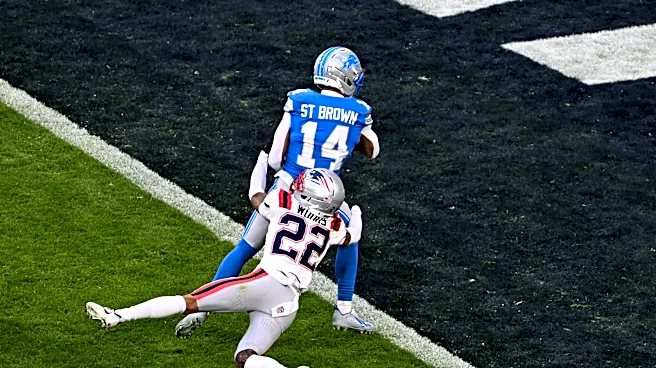
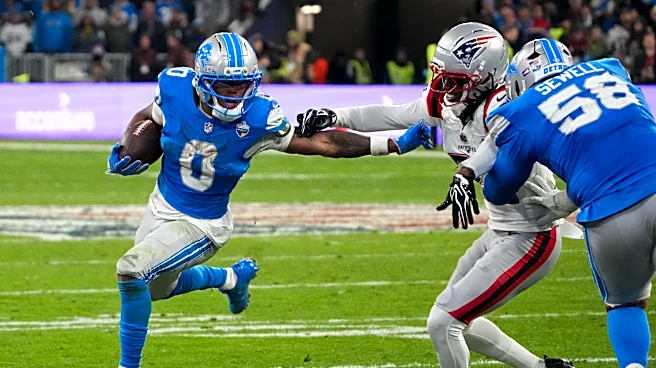
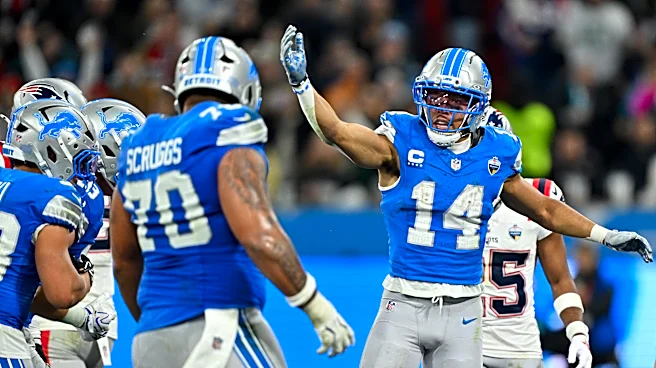
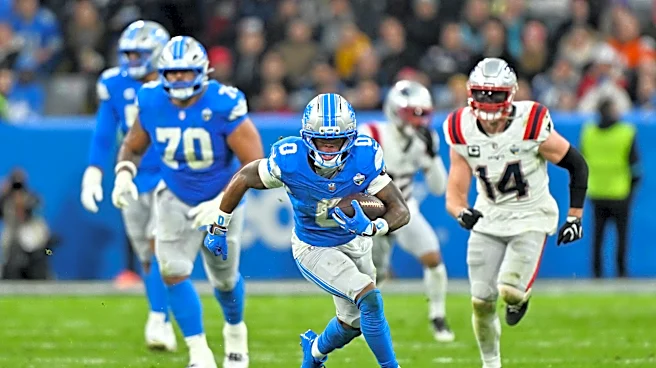
June for a 2028 first-round pick and a 2027 fifth-round pick, has had a challenging first season with the team. Through Week 10, the 29-year-old has recorded only 11 receptions for 128 yards and no touchdowns. His season has been plagued by multiple injuries, including a high-ankle sprain, a knee issue, and most recently, a hamstring injury sustained during a game against the Detroit Lions in Munich. Simmons labeled the trade 'one of the worst trades in Boston sports history,' questioning Brown's availability and the Patriots' decision to keep him on the field despite his existing injuries and the team's growing deficit. This situation has led to scrutiny regarding the high price New England paid for Brown and his limited production.
Why It's Important?
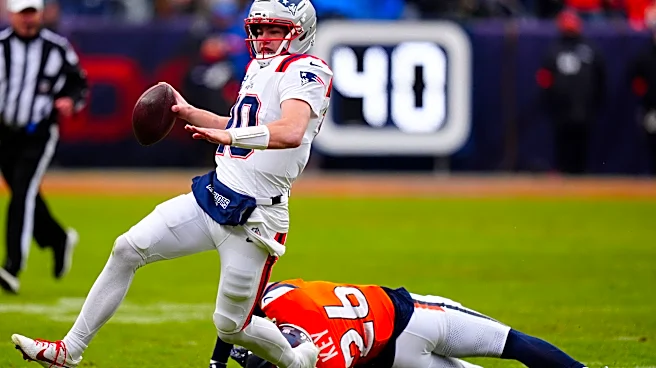
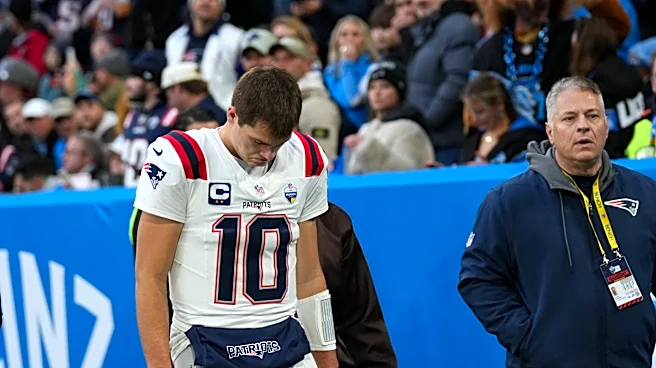
This situation is important for the New England Patriots as it highlights significant concerns regarding their player acquisition strategy and roster management. The substantial draft capital given up for A.J. Brown—a first-round and a fifth-round pick—represents a significant investment that has not yielded the expected returns. Brown's ongoing injury issues and lack of on-field production directly impact the team's offensive capabilities, especially given the recent ankle injury to quarterback Drake Maye. The criticism from prominent analysts like Bill Simmons can also affect public perception and fan morale. If Brown continues to underperform or struggle with injuries, it could lead to further questions about the Patriots' front office decisions and their ability to effectively evaluate talent and manage player health, potentially impacting future free agency and draft strategies. The team's current 5-5 record further amplifies the pressure to justify such a high-profile trade.
What's Next?
Following A.J. Brown's latest hamstring injury, he is expected to undergo further testing upon the team's return from Germany. The Patriots are entering their Week 11 bye, which provides a brief period for Brown to recover and for the team to assess his condition. Head coach Mike Vrabel will likely provide updates on Brown's status as the team prepares for their Week 12 matchup against the Los Angeles Chargers on November 29. The organization will need to decide on Brown's playing status and potentially adjust their offensive game plan if he remains sidelined or limited. The ongoing injury concerns and lack of production will likely fuel continued debate among sports analysts and fans about the long-term viability of the trade and Brown's future with the team. The Patriots will be under pressure to see improved health and performance from their key offseason acquisitions in the latter half of the season.
Beyond the Headlines
The A.J. Brown trade saga extends beyond immediate on-field performance, touching upon broader implications for player valuation and risk assessment in professional sports. The Patriots' situation underscores the inherent risks associated with trading significant draft capital for established players, particularly those with a history of injuries or who are entering new team environments. This scenario could influence how NFL teams approach future blockbuster trades, potentially leading to more cautious evaluations of player durability and fit within a new system. Ethically, questions arise about player safety and the pressure to perform, especially when players are pushed to play while not fully healthy, as suggested by Simmons' comments. The financial implications of Brown's large contract, coupled with his limited play, also highlight the complex balance between player investment and expected return, a constant challenge for sports franchises navigating salary cap restrictions and competitive pressures.