




What's Happening?
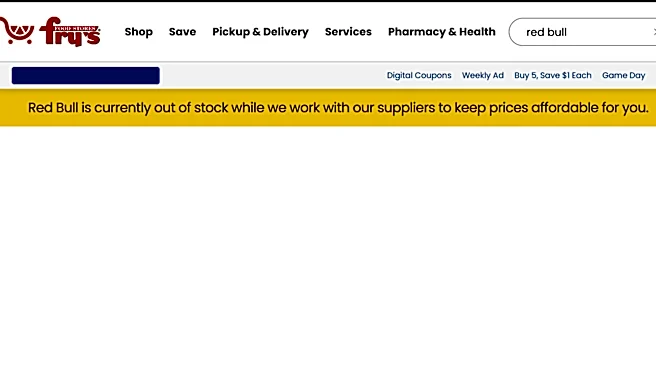
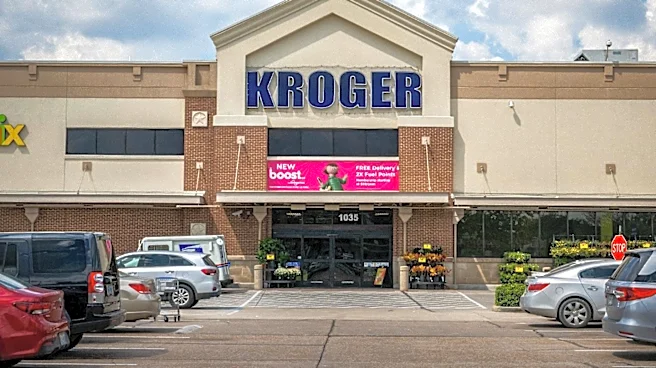
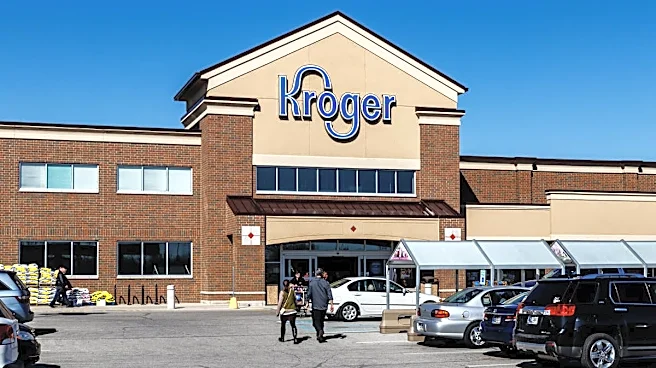
Kroger, a major U.S. supermarket chain, has ceased selling Red Bull energy drinks across its stores and gas stations. This decision comes as Kroger's chief executive has publicly committed to challenging supplier price increases in response to inflation.
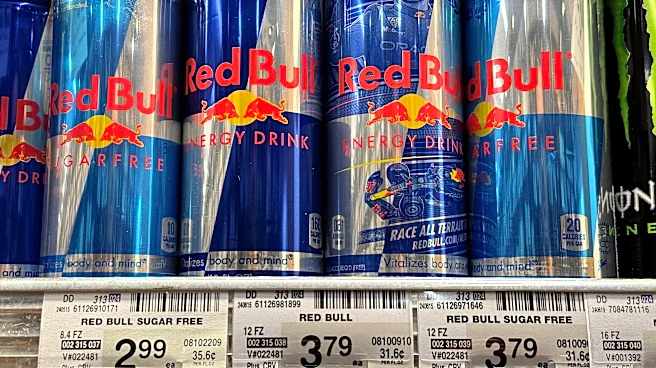
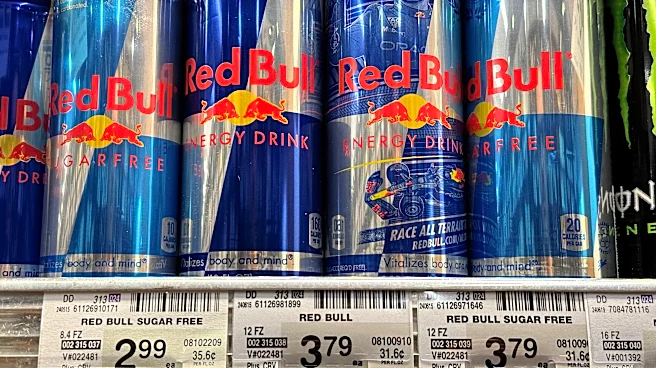
While Kroger has not officially stated that pricing was the reason for the removal, reports from shoppers on platforms like Reddit indicate a dispute over Red Bull's pricing. Customers observed empty Red Bull shelves and managers citing negotiations over prices with distributors. Red Bull is noted to have a significantly higher price point compared to competitors, both per ounce and per 100 milligrams of caffeine. For instance, an 8.4-ounce Red Bull contains 80 milligrams of caffeine, costing approximately $2.50 per 100 milligrams, whereas competitors like Celsius, Alani Nu, Monster, and Ghost offer lower costs per 100 milligrams of caffeine. Kroger continues to stock other energy drink brands such as Monster, Alani Nu, Bloom, Rockstar, and NOS.
Why It's Important?
This move by Kroger highlights a growing tension between major retailers and suppliers over product pricing, particularly in an inflationary environment. Kroger's decision to remove a popular brand like Red Bull, rather than accept higher prices, signals a strategic shift to protect its profit margins and potentially offer more competitive pricing to consumers. This could set a precedent for other retailers to push back against supplier price hikes, impacting consumer choices and the competitive landscape of the beverage industry. For consumers, it means a potential change in product availability and pricing strategies at their local grocery stores. For Red Bull, losing shelf space in one of the country's largest supermarket chains could significantly impact its sales volume and market share, potentially forcing a reevaluation of its pricing strategy or distribution agreements. The situation also underscores the power dynamics in the retail sector, where large chains can leverage their market position to influence supplier terms.
What's Next?
The standoff between Kroger and Red Bull could lead to several outcomes. Red Bull might eventually negotiate new terms with Kroger to regain shelf space, potentially adjusting its pricing or offering different promotional incentives. Alternatively, if the dispute prolongs, Red Bull consumers might shift to competitor brands that remain available at Kroger, or they might seek Red Bull at other retailers, impacting Kroger's customer traffic. The situation could also prompt other supermarket chains to scrutinize their own supplier agreements and potentially adopt similar strategies to challenge price increases. The long-term impact on Red Bull's market presence and pricing strategy will depend on the duration of the dispute and the reactions of both consumers and other retailers. Shoppers have already expressed willingness to switch brands or stores, indicating that both companies face risks if the situation is not resolved.
Beyond the Headlines
This dispute extends beyond a simple pricing disagreement; it reflects broader economic pressures and evolving consumer behavior. The premium pricing of Red Bull, compared to its caffeine content and competitors, has been a point of contention for some consumers, as evidenced by online discussions. This situation could accelerate a trend where consumers become more price-sensitive and willing to switch brands for better value, especially in categories with many alternatives like energy drinks. It also highlights the increasing influence of consumer sentiment, as expressed on social media, in shaping retail decisions. The incident could also encourage the growth of private-label or store-brand energy drinks as retailers seek to offer more affordable options and gain greater control over their product offerings and pricing. This could lead to a more diversified and competitive energy drink market, with a greater emphasis on value and price-per-milligram of caffeine.