






What's Happening?
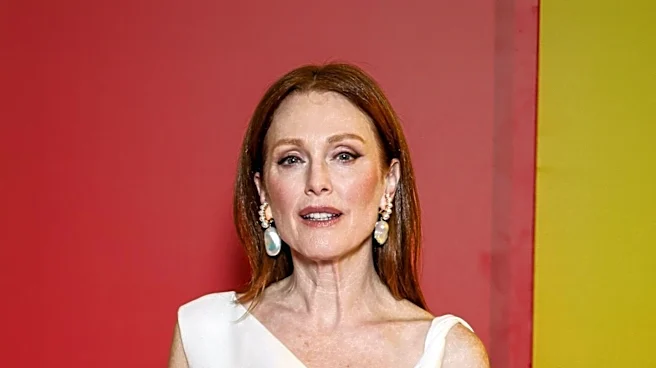
Julianne Moore, the 65-year-old Oscar-winning actor, has shared her essential health habits focused on maintaining physical and brain health as she ages. Moore, who stars in the upcoming movie “The Debut,” emphasizes that healthy aging is about function
and feeling well, rather than just appearance. She highlights the importance of energy and strength levels to continue engaging in desired activities efficiently. Moore has partnered with Lilly for their “Brain Health Matters” campaign, encouraging individuals to prioritize brain health and consider cognitive assessments during regular check-ups, especially if experiencing memory or thinking issues. Her personal health regimen includes strength training, learning new skills, and practicing yoga. She notes that her approach to exercise has evolved, with strength training becoming a significant focus due to its importance in maintaining muscle mass, particularly after age 30 and through menopause. Moore also actively learns new skills, such as attempting to master French and engaging in ceramics, to keep her brain engaged and interested.
Why It's Important?
Julianne Moore's advocacy for brain health and healthy aging habits carries significant importance for the U.S. public, particularly for an aging population. Her public discussion, especially through her partnership with Lilly's “Brain Health Matters” campaign, helps destigmatize conversations around cognitive health and encourages proactive measures. With neurodegenerative diseases like Alzheimer's being a growing concern, her emphasis on early cognitive assessments can prompt more individuals to seek medical advice, potentially leading to earlier diagnoses and interventions. The focus on functional health over aesthetic concerns can shift societal perspectives on aging, promoting a more holistic view of well-being. Furthermore, her personal commitment to strength training and continuous learning provides tangible examples that can inspire older adults to adopt similar practices, contributing to improved physical and mental vitality across the country. This initiative could lead to a greater public health focus on preventive brain health strategies and support for aging individuals.
What's Next?
Following Julianne Moore's public statements and her involvement with the “Brain Health Matters” campaign, it is anticipated that there will be increased awareness and discussion around cognitive health and healthy aging practices in the U.S. The campaign aims to encourage more people to inquire about cognitive assessments during their routine medical check-ups, which could lead to a rise in such screenings. Healthcare providers might see an uptick in patients seeking advice on brain health and age-related physical maintenance. Public health organizations and medical associations may leverage this increased awareness to further promote educational initiatives on brain health, the benefits of strength training, and the importance of lifelong learning. Additionally, the visibility of a prominent figure like Moore sharing her personal health journey could inspire more individuals to adopt proactive health habits, potentially influencing fitness trends and adult education programs focused on cognitive engagement.
Beyond the Headlines
Julianne Moore's candid discussion about aging and health extends beyond typical celebrity endorsements, touching upon deeper societal and cultural implications. Her emphasis on 'function' rather than 'looks' challenges the pervasive ageism and beauty standards often prevalent in media and society, particularly for women. By openly discussing the importance of maintaining muscle mass and cognitive function, she highlights a shift towards valuing long-term well-being over superficial appearances. This perspective can empower individuals to embrace aging as a process of continuous self-care and development, rather than a decline to be hidden or feared. Ethically, her partnership with Lilly for the “Brain Health Matters” campaign raises questions about the role of celebrities in promoting health initiatives and the potential for pharmaceutical companies to influence public health discourse. However, it also underscores the critical need for public education on brain health, given the increasing prevalence of cognitive impairments in an aging global population. Her actions contribute to a broader cultural conversation about what it means to age well in contemporary society.