


What's Happening?
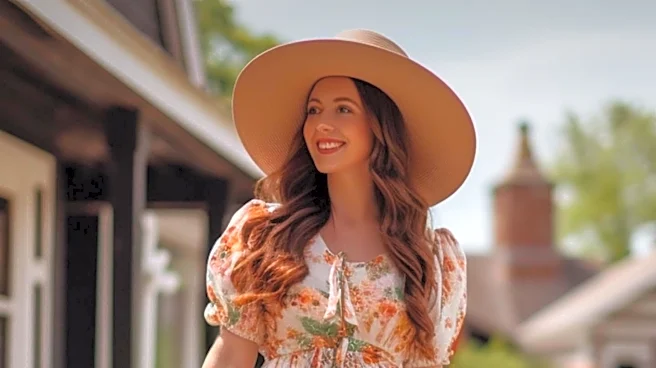
Cottagecore, a trend romanticizing rural life and nature, is increasingly influencing fashion and lifestyle choices. This aesthetic is characterized by elements such as floral prints, pastel colors, and vintage-inspired designs. It draws inspiration from
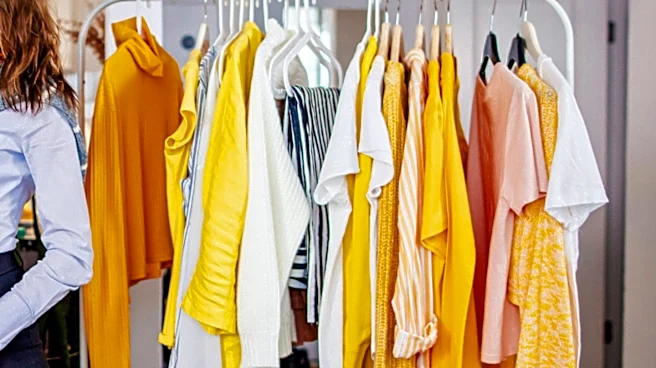
slow fashion and incorporates items like quilts, star-patterned textiles, and prairie dresses. Máxima of the Netherlands recently showcased a cottagecore-inspired outfit featuring florals, soft yellows, and feminine silhouettes, highlighting the trend's growing visibility. Beyond clothing, cottagecore aesthetics are appearing in various products, including home goods like fall bird doormats and patchwork skirts, indicating a broader adoption of this style. The trend emphasizes natural fabrics like linen, raw cotton, and hand-knitted wool, moving away from rigid lines towards more flowing and comfortable silhouettes. This movement is seen as a sartorial and existential statement rooted in the appreciation of rural life and the slower rhythms of the countryside.
Why It's Important?
The rise of the cottagecore trend reflects a broader societal shift towards valuing nature, comfort, and a romanticized view of rural living. This movement impacts the fashion industry by promoting sustainable and slow fashion practices, encouraging the use of natural materials and vintage-inspired designs over fast-fashion cycles. For consumers, it offers an alternative aesthetic that prioritizes comfort, individuality, and a connection to the outdoors, potentially influencing purchasing decisions across various product categories, from apparel to home decor. The trend's emphasis on natural fabrics and artisanal details could also support smaller businesses and craftspeople. Furthermore, the adoption of cottagecore by public figures like Máxima of the Netherlands can accelerate its mainstream acceptance, making it a significant cultural and commercial force that shapes consumer preferences and market offerings in the U.S. and globally.
What's Next?
The cottagecore trend is expected to continue its growth, influencing upcoming fashion seasons and product designs. Designers and retailers are likely to further incorporate its key elements, such as floral patterns, voluminous sleeves, and natural textures, into their collections. We may see an expansion of cottagecore-inspired products beyond fashion, including home furnishings, accessories, and even digital content. The trend's focus on sustainability and a return to simpler living could also lead to increased demand for ethically sourced and handcrafted goods. As more individuals seek to integrate this aesthetic into their daily lives, there could be a rise in DIY projects and a renewed interest in traditional crafts. The continued visibility of cottagecore in media and among influencers will likely solidify its position as a lasting cultural phenomenon rather than a fleeting fad.
Beyond the Headlines
Beyond its aesthetic appeal, cottagecore represents a deeper cultural yearning for simplicity, authenticity, and an escape from the complexities of modern life. It taps into a collective nostalgia for a perceived idyllic past, offering a sense of comfort and tranquility in an increasingly fast-paced world. Ethically, the trend promotes conscious consumption through its emphasis on slow fashion and natural materials, potentially encouraging consumers to consider the environmental and social impact of their purchases. Culturally, it fosters an appreciation for traditional crafts, rural heritage, and a closer relationship with nature. This movement can be seen as a form of escapism, providing a visual and lifestyle antidote to urban stress and digital overload, and fostering a community around shared values of coziness, self-sufficiency, and environmental consciousness.