








What's Happening?
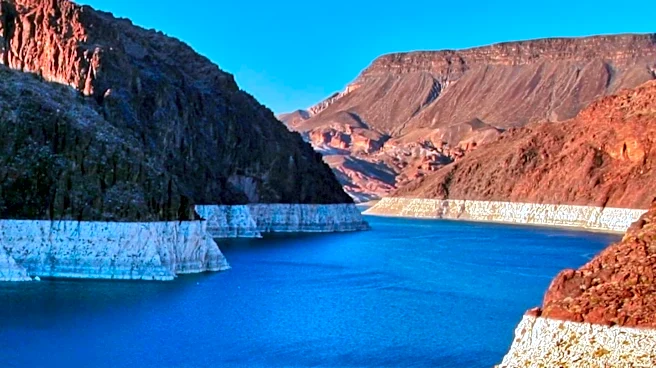
Businesses in the outdoor economy are grappling with the effects of climate change, as seen in the experiences of operators like Deirdra Harcourt and Forest Keith. Harcourt, who runs a river shuttle service, is facing reduced business due to lower water
levels in the Colorado River, a result of prolonged drought conditions. Similarly, Forest Keith, owner of Coulter Lake Guest Ranch, experienced a significant drop in business due to a harsh winter and low water levels affecting the lake. These conditions are forcing businesses to reconsider their operations and adapt to changing environmental conditions. The Aspen Skiing Company, a major employer in the region, is also facing challenges with declining skier visits and is investing in snowmaking and diversifying its business operations.
Why It's Important?
The challenges faced by the outdoor economy highlight the broader impacts of climate change on local businesses and communities. As weather patterns shift, businesses that rely on natural resources are forced to adapt or face economic losses. This situation underscores the need for sustainable business practices and diversification strategies to mitigate the risks associated with climate variability. The economic implications extend beyond individual businesses, affecting employment, tourism, and local economies. The experiences of these businesses serve as a microcosm of the larger challenges posed by climate change to industries dependent on natural conditions.
What's Next?
Businesses in the outdoor economy may need to explore diversification strategies to remain viable. This could involve expanding services, investing in technology to mitigate climate impacts, or exploring new markets. For larger companies like Aspen Skiing Company, expanding operations beyond traditional activities and locations may be necessary. Policymakers and industry leaders might also need to collaborate on developing strategies to support businesses in adapting to climate change. This could include financial incentives, infrastructure investments, and research into sustainable practices.