

What's Happening?
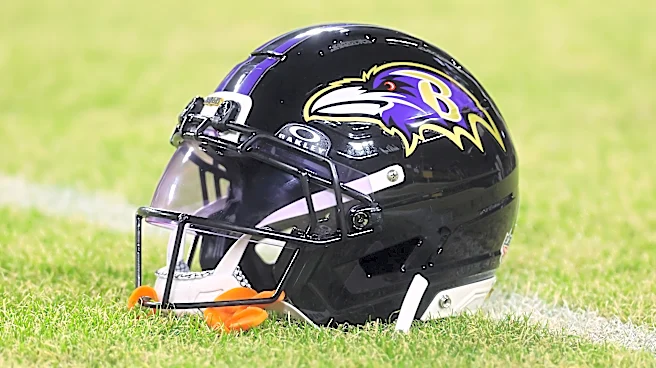
Baltimore Ravens wide receiver Rashod Bateman was arrested in June in Walton County, Georgia, facing charges of family violence battery, reckless conduct, and criminal damage to property in the first degree. The arrest stemmed from an incident where Bateman allegedly
smashed the windshield and driver's-side window of a car while his 3-month-old child and the child's mother were inside. Police reports indicate that the glass shattered, causing lacerations to the victim's face and leaving glass in the child's hair. Additionally, the victim reported contusions from an earlier dispute at their shared residence, and Bateman is accused of attempting to puncture a tire with a screwdriver. Family violence battery and reckless conduct are misdemeanors for first-time offenses, while criminal damage to property in the first degree is a felony, potentially carrying over a year of jail time if convicted. A no-contact order was later modified to 'no violent contact' at the request of both Bateman and the alleged victim, contingent on Bateman completing a family violence intervention program. The Ravens organization has acknowledged the situation, stating they are in communication with Bateman and have notified the NFL, which is currently reviewing the matter.
Why It's Important?
This incident carries significant implications for Rashod Bateman's career and the Baltimore Ravens. Under the NFL's personal conduct policy, family violence is a serious offense that can result in a baseline unpaid suspension of at least six games, even without a criminal conviction. The presence of a child during the alleged incident is considered an aggravating factor, potentially leading to a longer suspension. Such a suspension would impact the Ravens' roster and offensive strategy, especially given Bateman's recent three-year contract extension and his expressed excitement about his role in the new offensive coordinator's system. Beyond the immediate athletic impact, the charges raise questions about player conduct and the league's commitment to addressing domestic violence. Bateman had previously established a foundation, 'Without You,' focused on female empowerment and supporting women who have experienced domestic violence, drawing from his own childhood experiences. This arrest could significantly undermine his public image and the credibility of his charitable efforts, creating a complex narrative for both the player and the team.
What's Next?
The legal process for Rashod Bateman's charges will continue to unfold in Georgia. While a no-contact order has been modified, the criminal charges remain, and the outcome of the court proceedings will be crucial. Concurrently, the NFL's review of the matter under its personal conduct policy is ongoing. The league will likely await further developments in the legal case before determining any disciplinary actions, which could include a substantial unpaid suspension. Bateman is expected to complete a family violence intervention program as part of the modified no-contact order. His attorney has stated that they will let the court process play out and that the facts will emerge. The Ravens organization will continue to cooperate with the league, and any decision regarding Bateman's playing status will be closely watched by fans and the media, particularly as the NFL season approaches. The situation also highlights the ongoing scrutiny of professional athletes' off-field conduct and the potential consequences for their careers and public perception.
Beyond the Headlines
The incident involving Rashod Bateman extends beyond a typical sports news story, touching upon critical societal issues such as domestic violence and the responsibilities of public figures. Bateman's prior establishment of a foundation aimed at supporting women affected by domestic violence creates a stark contrast with the current allegations. This juxtaposition could lead to broader discussions about the authenticity of public advocacy, the complexities of personal struggles, and the impact of such events on charitable organizations. For the NFL, this case reinforces the ongoing challenge of enforcing its personal conduct policy consistently and transparently, especially when allegations involve family violence and children. The outcome will be scrutinized not only for its impact on Bateman's career but also for its message regarding accountability within professional sports. It also brings to light the often-private nature of domestic disputes and the public's role in understanding and responding to such sensitive issues, particularly when they involve individuals in the public eye. The incident may prompt further conversations about support systems for athletes and the effectiveness of intervention programs in addressing underlying behavioral issues.