



What's Happening?
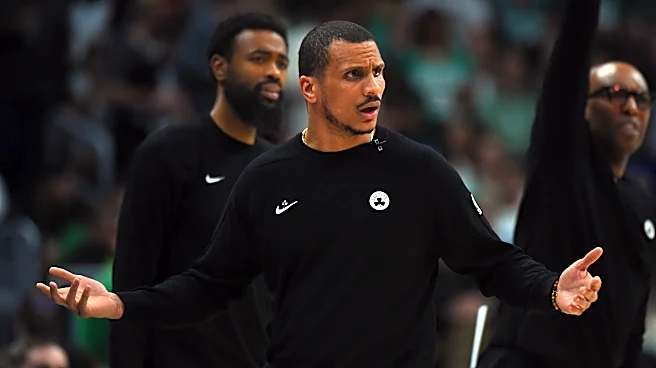
Joe Mazzulla, the head coach of the Boston Celtics, has articulated a unique philosophy regarding his tenure with the team: he desires to be forgotten. Mazzulla believes that his ultimate success will be measured by the Celtics' performance and improved
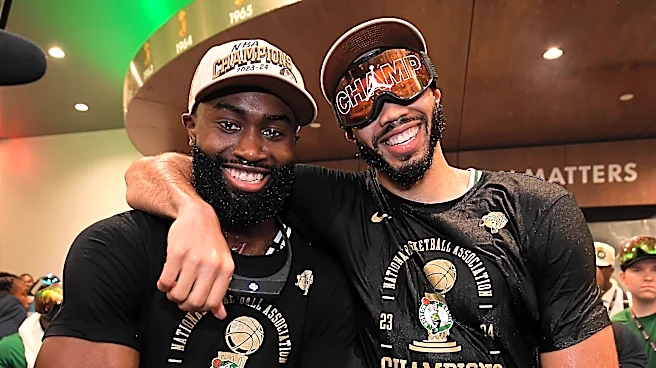
state after his departure, rather than by personal accolades or a lasting individual legacy. He stated, "I want to be forgotten about. Because that means after you, it was better. I think that’s what it means to be a Celtic." This perspective emphasizes a focus on the team's sustained excellence and growth beyond his direct involvement. Mazzulla, who has been with the Celtics since the 2022-23 season and previously coached at Fairmont State, has consistently prioritized the team's collective achievement. He led the Celtics to their 18th NBA championship in 2024, becoming one of the youngest coaches to achieve this feat, and was named NBA Coach of the Year, yet his stated goal remains centered on the organization's long-term well-being.
Why It's Important?
Mazzulla's coaching philosophy is significant as it challenges the conventional narrative of individual legacy in professional sports, particularly in high-profile roles like an NBA head coach. By prioritizing the team's future success over his own remembrance, he sets a precedent for leadership that could influence coaching methodologies across the league. This approach fosters a culture of continuous improvement and collective responsibility within the Celtics organization, potentially leading to more sustainable success. For players, it shifts the focus from individual glory to team-centric goals, which can enhance cohesion and performance. Economically, a consistently successful team, driven by such a philosophy, can maintain strong fan engagement, merchandise sales, and broadcast revenues, benefiting the franchise and the league. This mindset also highlights the increasing emphasis on organizational health and long-term strategic planning in professional sports, moving beyond short-term gains or individual heroics.
What's Next?
Mazzulla's commitment to this philosophy suggests that his coaching decisions will continue to be guided by what he perceives as beneficial for the Celtics' long-term health and future performance. This could manifest in strategic player development, roster management, and tactical adjustments aimed at building a resilient and adaptable team. The organization will likely continue to support this approach, as it aligns with the goal of sustained competitive advantage. Other NBA teams and coaches might observe the Celtics' trajectory under this philosophy to evaluate its effectiveness in fostering enduring success. The ongoing challenge for Mazzulla will be to balance this long-term vision with the immediate pressures of winning in a highly competitive league, especially as the team navigates future seasons and potential roster changes. His ability to maintain this focus while delivering results will be a key indicator of the impact of his unique coaching perspective.
Beyond the Headlines
Mazzulla's philosophy extends beyond typical sports management, touching upon deeper themes of leadership, humility, and the nature of legacy. In a society often driven by individual recognition and the pursuit of personal fame, his desire to be 'forgotten' offers a counter-narrative. This approach could inspire leaders in various fields, from business to public service, to re-evaluate their own definitions of success and impact. It suggests that true leadership might lie in empowering others and building systems that thrive independently, rather than in cultivating a personal cult of personality. Ethically, it promotes a selfless dedication to an institution, emphasizing stewardship over self-aggrandizement. Culturally, it reflects a shift towards valuing collective achievement and organizational resilience, potentially influencing how success is perceived and celebrated in team-oriented environments. This perspective could foster a more collaborative and less ego-driven professional landscape.