




What's Happening?
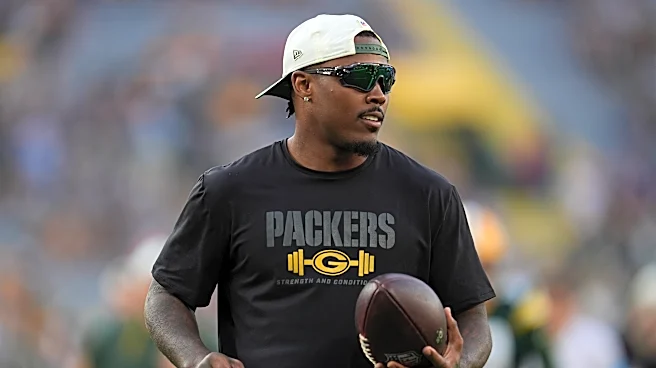
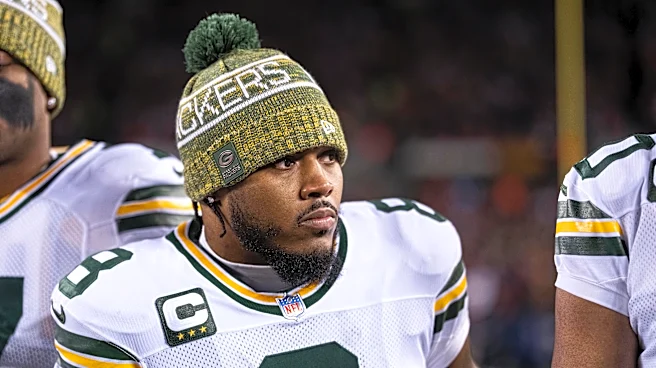
Green Bay Packers running back Josh Jacobs and his ex-girlfriend have filed separate lawsuits to prevent the public release of a video depicting an altercation between them. The incident, which occurred on May 23 at Jacobs' Hobart home, led to his conviction
on misdemeanor battery and criminal damage to property charges. Following the conclusion of the criminal case, a judge lifted the ban on the video's release. Media outlets, including FOX 11, subsequently requested the video from the Hobart-Lawrence Police Department. The department indicated it would release the video, which prompted Jacobs and his ex-girlfriend, identified as 'Jane Doe ANM,' to file objections. ANM's lawsuit cites Marsy's Law, a Wisconsin constitutional amendment guaranteeing victims' rights, arguing that the release would violate her privacy, dignity, personal security, and emotional well-being. Jacobs supports ANM's position, also expressing concerns for his personal safety and property, fearing that public dissemination of details about his residence could increase his vulnerability to crime.
Why It's Important?
This legal action highlights a significant conflict between public access to governmental records and individual privacy rights, particularly under Marsy's Law in Wisconsin. While Wisconsin law generally favors public access, this case tests the 'exceptional circumstances' clause where competing interests might justify restricting disclosure. For 'Jane Doe ANM,' the release of the video could lead to unwanted public exposure and re-victimization, despite her desire for closure. For Josh Jacobs, a public sports figure, the release of detailed information about his home and schedule could pose a security risk, potentially making him a target for theft or other crimes. The outcome of this case could set a precedent for how victim privacy and public interest are balanced in future legal proceedings involving public figures and sensitive information, especially with the increasing capabilities of advanced AI to identify individuals from visual data.
What's Next?
The Hobart-Lawrence Police Department has ten days to file a response to the lawsuits filed by Josh Jacobs and 'Jane Doe ANM.' No hearings have been scheduled yet, but the legal process will determine whether the video of the altercation will be released to the public. The court will need to weigh the public's right to information against the privacy and safety concerns raised by both parties, particularly in the context of Marsy's Law. The lawsuits request that the video and related records not be released, or if they are, that specific measures be taken to protect identities and personal information. The decision in this case could influence how law enforcement agencies handle similar requests for sensitive information involving victims and public figures in Wisconsin and potentially beyond, especially concerning the use of redaction and the implications of AI for identification.
Beyond the Headlines
Beyond the immediate legal battle, this case delves into the evolving challenges of privacy in the digital age, particularly concerning public figures and the capabilities of artificial intelligence. The concern that AI could be used to identify 'Jane Doe ANM' even with redactions, based on body shape or other unique identifiers, underscores a growing societal issue. This raises questions about the adequacy of current privacy protections in an era where technology can circumvent traditional anonymization methods. Furthermore, the case highlights the unique vulnerabilities of public figures, whose personal lives often become subjects of intense public scrutiny, potentially impacting their safety and well-being. The legal outcome could prompt broader discussions about the scope of public records laws, the interpretation of victims' rights, and the need for updated legal frameworks to address technological advancements that challenge personal privacy.