







What's Happening?
Businesses are increasingly prioritizing energy resilience as a strategic asset, moving beyond mere compliance to integrate sustainability into their core operations. This shift is driven by the need to mitigate financial risks associated with volatile
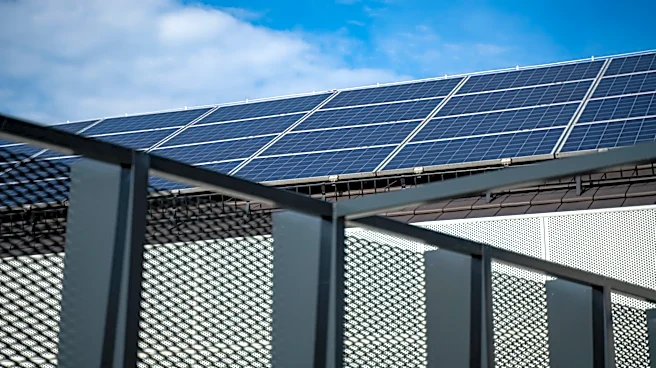
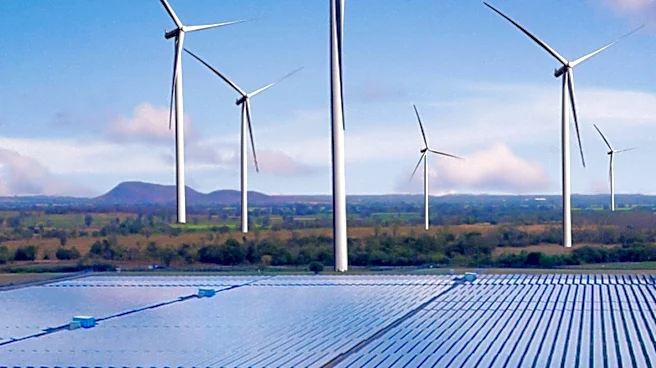
fossil fuel prices and to meet growing demands from customers, investors, and employees for authentic sustainability commitments. The transition involves adopting renewable energy sources, such as solar and battery storage, and exploring innovative solutions like virtual power plants and time-based energy matching. These strategies are seen as essential for achieving long-term energy security and competitive advantage.
Why It's Important?
The focus on energy resilience reflects a broader trend of aligning business operations with climate action goals. By investing in sustainable energy solutions, companies can protect themselves against energy price fluctuations and enhance their market position. This approach not only supports environmental objectives but also offers financial benefits, as predictable energy pricing becomes a vital risk management tool. The emphasis on sustainability is expected to foster unity within organizations and resonate with stakeholders, ultimately adding long-lasting value to businesses.
What's Next?
As businesses continue to navigate the complexities of renewable energy adoption, partnerships with energy experts and innovative solutions will be crucial. The ongoing development of regulatory standards and initiatives like Scope 3 reporting will further drive the need for transparent and robust renewable strategies. Companies that successfully integrate these elements into their operations are likely to gain a competitive edge and contribute to broader climate action efforts.