





What's Happening?
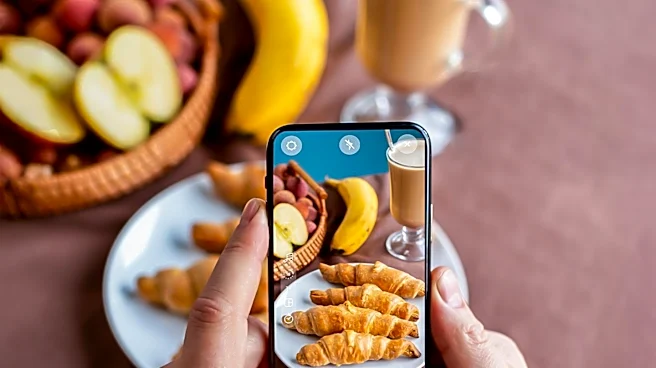
Cal Pal, an AI nutrition coach application, provides users with tools to track their dietary intake and receive personalized meal suggestions. The app allows users to photograph their meals, which the AI then analyzes to provide calorie, protein, carbohydrate,
and fat breakdowns. It also offers an ingredient breakdown, showing gram-by-gram content. Beyond photo logging, Cal Pal includes a barcode scanner for packaged foods and a food library. A key feature is its AI nutrition coach, which can answer user questions about meal planning, adapt to off-plan eating by rebalancing subsequent meal suggestions, and provide ideas based on individual goals, tastes, and previous intake. The app aims to help users achieve goals such as weight loss, maintenance, or muscle building by setting daily calorie and macro targets.
Why It's Important?
The emergence of AI-powered nutrition apps like Cal Pal signifies a shift in how individuals manage their health and dietary goals. By simplifying the process of food logging through photo analysis, these applications can make nutrition tracking more accessible and less time-consuming for a broader audience. The personalized AI coaching aspect offers a dynamic and adaptive approach to meal planning, potentially increasing user adherence to dietary plans compared to static, one-size-fits-all methods. This technology could empower individuals to make more informed food choices and better understand their nutritional intake, contributing to improved public health outcomes. For the health and fitness technology sector, it highlights a growing trend towards integrating artificial intelligence for more personalized and interactive user experiences.
What's Next?
As AI nutrition coaching platforms like Cal Pal gain traction, future developments may include enhanced accuracy in food recognition and nutritional analysis, integration with other health tracking devices, and more sophisticated AI models that can account for individual metabolic rates and activity levels in real-time. There is potential for these apps to incorporate features like grocery list generation based on meal plans, direct ordering of ingredients, or even partnerships with food delivery services. The competitive landscape will likely see more innovation in user experience and AI capabilities, with a focus on making nutrition management even more seamless and effective. Regulatory bodies may also begin to examine the claims and data privacy practices of such AI-driven health applications.
Beyond the Headlines
The rise of AI nutrition coaches like Cal Pal raises broader questions about the role of technology in personal health management and the potential for data-driven insights to transform dietary habits. While offering convenience and personalization, these tools also accumulate vast amounts of personal health data, prompting discussions around data security, privacy, and ethical AI use. There's also a subtle shift in the relationship between individuals and their food choices, moving from intuitive eating to a more data-quantified approach. This could lead to a more informed populace regarding nutrition but also potentially foster an over-reliance on technology for basic health decisions. The long-term impact on dietary culture and the professional roles of dietitians and nutritionists will be an evolving area of observation.