




What's Happening?
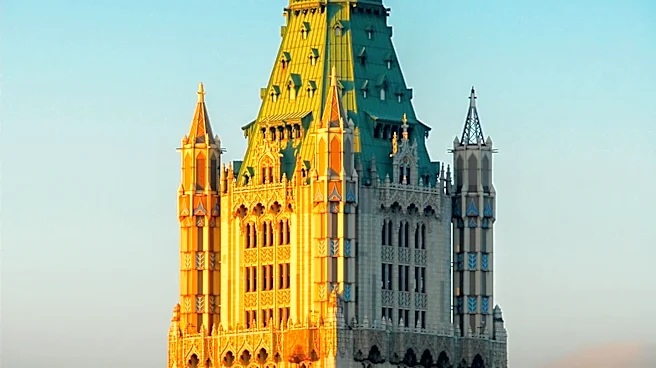
A 2,548-square-foot condominium on the 41st floor of New York City's iconic Woolworth Building has re-entered the market with an asking price of $5.79 million. This unit is the highest-floor two-bedroom residence in the building, featuring 2.5 bathrooms
and expansive views of Manhattan. It is also one of the few units within the building that boasts oversized arched windows. The interior of the residence showcases solid oak herringbone floors and 11-foot ceilings, blending prewar construction with modern luxury. According to listing agent Philip McCarthy of Sotheby's International Realty, the current owners have invested in cosmetic and design enhancements, including wallpaper, paint, and upgrades to closets and storage. The unit includes a 522-square-foot great room, an eat-in kitchen equipped with custom Dada cabinetry, Calacatta caldia marble countertops, Miele appliances, and a dedicated wine fridge. The primary suite is strategically positioned in a corner, offering ample light, a large walk-in closet, and a luxurious primary bathroom with a soaking tub and steam shower. A second bedroom also features a walk-in closet and an en suite bathroom.
Why It's Important?
The re-listing of this luxury unit in the Woolworth Building highlights the enduring appeal and value of historic, landmark properties in the New York City real estate market. The Woolworth Building, once the tallest in the city and known as the 'Cathedral of Commerce,' represents a significant piece of American architectural and commercial history. The meticulous restoration and modernization of units within such a building cater to a niche market of affluent buyers seeking both prestige and contemporary amenities. The high price point and the unit's unique features, such as oversized arched windows and panoramic views, underscore the premium placed on exclusivity and location in Manhattan. This sale could set a benchmark for other luxury properties in historic buildings, influencing pricing strategies and buyer expectations in the high-end segment of the U.S. real estate market. The continued investment in preserving and upgrading these properties also contributes to the economic vitality of the city's luxury housing sector and the broader construction and design industries.
What's Next?
The unit will remain on the market, awaiting a buyer who appreciates its blend of historical significance, luxury amenities, and prime Manhattan location. Potential buyers are likely to be high-net-worth individuals or families seeking a distinctive residence with a rich heritage. The sale process will involve marketing efforts highlighting the building's iconic status, its club-like amenities—which include a fitness studio, pool, hot tub, sauna, lounge, wine cellar, and tasting room—and the specific upgrades made to the unit. The success of this listing could influence future pricing and renovation trends for other luxury condominiums in landmark buildings across New York City. Real estate agents and developers will closely monitor the sale to gauge market demand for such unique properties, potentially leading to similar restoration and re-listing projects in other historic structures. The property's amenities, such as on-site parking and a discreet resident-only lobby, are expected to be key selling points for discerning buyers.
Beyond the Headlines
The re-listing of this Woolworth Building unit transcends a simple real estate transaction, touching upon themes of historical preservation, urban development, and the evolving definition of luxury living. The building itself, commissioned by retail magnate Frank W. Woolworth and designed by Cass Gilbert, symbolizes an era of grand ambition and architectural innovation in America. Its transformation from a commercial skyscraper to a residential tower reflects a broader trend in urban centers where historic commercial properties are repurposed for high-end residential use, revitalizing urban cores and preserving architectural heritage. The 'Cathedral of Commerce' nickname speaks to the building's original purpose and its role in shaping New York City's identity. The blend of prewar construction with modern luxury in the unit highlights a cultural appreciation for both historical craftsmanship and contemporary comfort. This trend of adaptive reuse not only offers unique living spaces but also contributes to sustainable urban development by utilizing existing infrastructure rather than new construction, while also maintaining the city's unique character.